





More Than a Collection of Stats
The logic seems simple: combine a few of the best players in a league, and you’ll get the best team. But a team is more than the sum of its parts. The idea that elite athletes are 'plug-and-play' assets often ignores the complex reality of team dynamics.
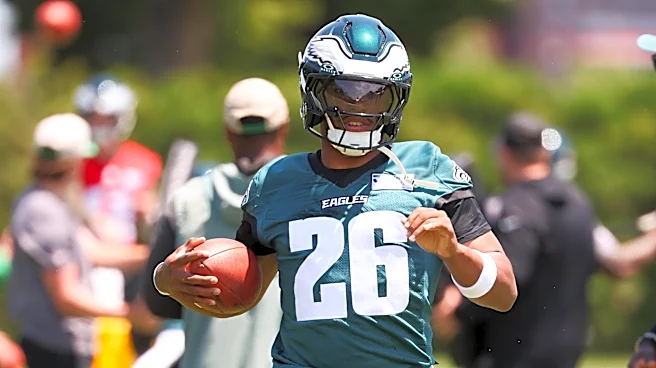
Success in sports is built on cohesion, shared systems, and trust, qualities that can’t be acquired in a single blockbuster trade. The 2011 Philadelphia Eagles, infamously dubbed the “Dream Team” after a series of high-profile acquisitions, are a classic example. Despite having a roster loaded with stars, they stumbled to a mediocre 8-8 record, missing the playoffs entirely. The team never gelled, proving that a championship-caliber culture takes time to build, regardless of the talent level.
When Egos Outgrow the Locker Room
Every top-tier athlete has a healthy ego; it’s a prerequisite for reaching the pinnacle of their sport. The trouble begins when those egos can no longer coexist in the same locker room. Superteams often bring together multiple players who are accustomed to being 'the guy' on their former squads. Suddenly, they have to share the spotlight, the ball, and the credit. This can lead to friction over roles, playing time, and leadership. The infamous feud between Shaquille O’Neal and Kobe Bryant on the Los Angeles Lakers in the early 2000s illustrates this perfectly. Despite winning three championships together, their personality clashes and public disputes ultimately fractured a dynasty that many believed could have lasted even longer. When personal glory consistently trumps team success, a meltdown is almost inevitable.
The Crushing Weight of Expectation
Forming a superteam immediately paints a giant target on a franchise’s back. The media coverage is relentless, and anything less than a championship is deemed an abject failure. This intense pressure cooker environment can magnify every small issue. A two-game losing streak becomes a crisis. A minor disagreement between players becomes a headline about a fractured locker room. This was on full display with the recent Brooklyn Nets experiment, which brought together Kevin Durant, Kyrie Irving, and James Harden. From the moment they assembled, they were championship favorites, but injuries, off-court drama, and chemistry issues quickly derailed their title hopes. The constant scrutiny and the weight of 'championship-or-bust' expectations can wear a team down, making them brittle and prone to collapse when adversity strikes.
The Salary Cap Straightjacket
In modern sports leagues like the NFL and NBA, the salary cap is designed to ensure competitive balance by limiting how much a team can spend on players. Assembling a superteam often means committing a massive percentage of that cap space to two or three max-contract players. While this secures the stars, it leaves very little money to build a deep, supportive roster. The team becomes top-heavy and dangerously vulnerable. If one of the stars gets injured, there is often not enough quality depth to fill the void. Furthermore, the roster is typically filled out with veterans playing for minimum contracts, who may be past their prime. This financial model leaves no room for error, creating a fragile structure where one bad contract or one major injury can bring the entire enterprise crashing down.