





1. The Gods: Pelé vs. Maradona & Messi
You can’t talk about this rivalry without talking about their Mount Rushmore. For Brazil, the undisputed king is Pelé. He represents victory, class, and global diplomacy—a three-time World Cup winner who became a worldwide ambassador for the sport. He is the symbol
of Brazilian dominance and excellence. Argentina’s god is a more complicated figure: Diego Maradona. He was a flawed genius, a rebel who single-handedly dragged his nation to World Cup glory in 1986. Where Pelé was a diplomat, Maradona was a revolutionary. This contrast now includes Lionel Messi, who, unlike the other two, achieved his ultimate validation late in his career. For decades, Argentinians debated whether the quiet, European-styled Messi truly had the same national fire as Maradona. His 2022 World Cup win settled the argument, cementing him as a hero who finally brought the trophy home through sheer, relentless will.
2. The Philosophy: Joga Bonito vs. Garra
This is the core tactical and spiritual difference. Brazil gave the world *Joga Bonito*—the beautiful game. It’s a philosophy built on rhythm, flair, creativity, and individual brilliance. Think of the free-flowing samba-like movements of Ronaldinho or the explosive dribbling of Neymar. The goal isn't just to win, but to win with style, to put on a show. Argentina, on the other hand, is the spiritual home of *garra*. There’s no perfect English translation, but it means grit, heart, tenacity, and a willingness to do whatever it takes. It’s about passion, struggle, and collective sacrifice. While Argentine teams have featured incredible artists like Messi, their identity is forged in a relentless, never-say-die attitude. It's the difference between a breathtaking dance and a dramatic, all-out street fight.
3. The Team: The Talent Factory vs. The Passionate Unit
Both nations are world-class talent exporters, but how their national teams are perceived differs. Brazil is the ultimate talent factory. Every cycle, a new crop of dazzling forwards and wingers seems to emerge, from Ronaldo to Vinícius Júnior. The challenge for Brazil is often turning this embarrassment of individual riches into a cohesive, functioning team. Their best sides are brilliant; their worst are a collection of disconnected superstars. Argentina, while also possessing top-tier talent, has recently found success by building a fanatical unit around its leader. The 2022 World Cup-winning squad was defined by its fierce loyalty to Messi. Players like Rodrigo De Paul acted as on-field bodyguards, creating a team that played with the collective passion of a club side. They weren’t just teammates; they were disciples on a mission.
4. The Fans: Carnival vs. Catharsis
The feeling in the stands tells a similar story. Brazilian fans, the *torcida*, bring a carnival atmosphere. There's music, samba drums, dancing, and an infectious joy. A Brazil game at its best feels like a party, a celebration of life and soccer. The mood is optimistic and vibrant. The Argentine fans, the *hinchada*, offer something different. Their support is a deeper, more visceral experience. Their songs are complex anthems of love, defiance, and history, often sung with a desperate, poetic intensity that feels more like a religious ceremony than a sporting event. For Argentinians, supporting the national team is a form of catharsis—a way to channel national pride, frustration, and hope into 90 minutes of unwavering, unconditional noise.
5. The Trophy Case: Global Dominance vs. National Obsession
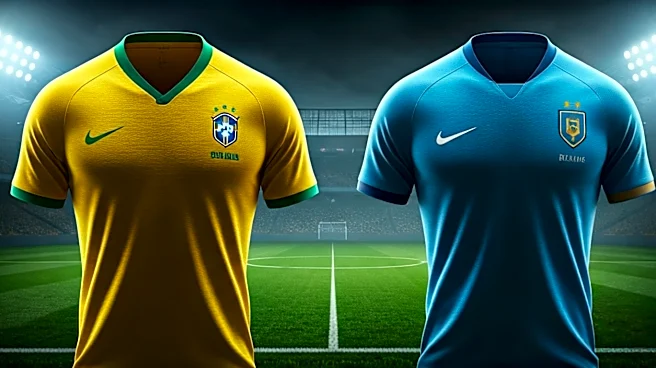
Numbers matter. Brazil has won five World Cups, more than any other nation. This record is the foundation of their global identity as the kings of football. They don't just hope to win; they expect to. The yellow jersey carries the weight of being the perennial favorite. Argentina has three World Cups, but their relationship with the trophy is arguably more intense. Their victories in 1978, 1986, and 2022 were moments of profound national ecstasy that punctuated long periods of drought and agonizing near misses (like the 2014 final). For Brazil, the World Cup is a confirmation of their status. For Argentina, it’s a desperate, all-consuming obsession that, when finally fulfilled, brings a release of emotion unmatched anywhere in the sporting world.