


The Unofficial Runway of Florence
To understand the Western belt’s glow-up, you first have to understand Pitti Uomo. It’s officially a menswear trade show, a place where brands show off next season’s collections to buyers and press. Unofficially, it’s the global Olympics of street style.
The cobblestoned plaza outside the main exhibition hall becomes a living lookbook, populated by impeccably dressed men—buyers, editors, designers, and influencers—known for their almost competitive flair. They call it “sprezzatura,” an Italian term for studied carelessness. It’s the art of making something difficult look effortless. And it’s on these streets, far from any ranch or rodeo, that trends are not just spotted, but born.
Americana Meets Sprezzatura
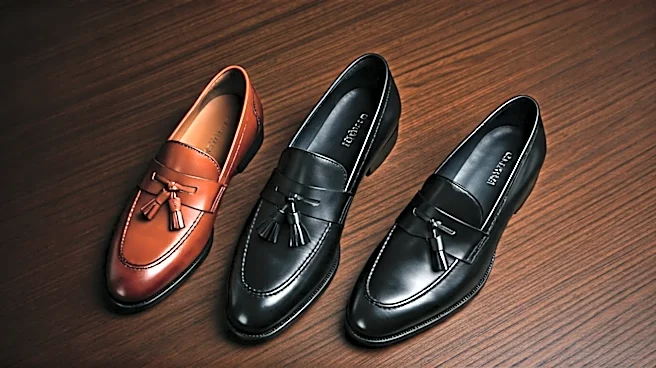
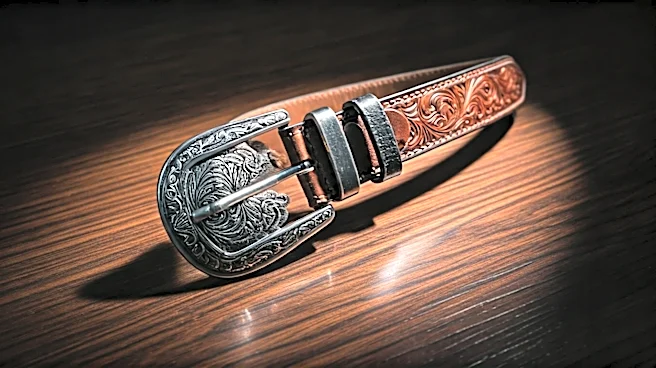
For years, the Pitti uniform was a fairly predictable, if beautiful, collection of soft-shouldered Neapolitan jackets, wide-leg trousers, and Panama hats. But lately, a new energy has taken hold, one that pulls from a more rugged, traditionally American aesthetic. And nothing encapsulates this shift better than the Western belt. We’re not talking about a cheap souvenir from a dusty roadside stop. We’re talking about substantial leather belts, often tooled or aged, finished with ornate, oversized silver buckles. But the genius isn't just the belt; it's the context. Instead of being cinched over faded denim, these belts are appearing on high-waisted, pleated wool trousers. They’re holding up tailored linen suits. They’re paired not with cowboy boots, but with Gucci horsebit loafers or minimalist leather sneakers. The contrast is the point: the raw, masculine energy of the American West anchoring the soft, elegant tailoring of Italy.
The Allure of Rugged Authenticity
So why now? The rise of the refined Western belt is part of a larger cultural moment dubbed “cowboy core.” Spurred by everything from Pharrell Williams’s debut collection for Louis Vuitton to Beyoncé’s genre-bending *Cowboy Carter*, Americana iconography is having a major revival. But at Pitti, it feels less like a costume and more like a considered style choice. In an era dominated by the understated whispers of “quiet luxury,” where logos have vanished and palettes have neutralized, a statement belt is a quiet rebellion. It’s a way to inject personality and a sense of history into an otherwise minimalist outfit. The Western belt, with its ties to frontier mythology, independence, and craftsmanship, offers a story. It suggests a life lived, a hint of adventure, and an appreciation for objects with character—a welcome antidote to the sea of anonymous beige.
It's All in the Details
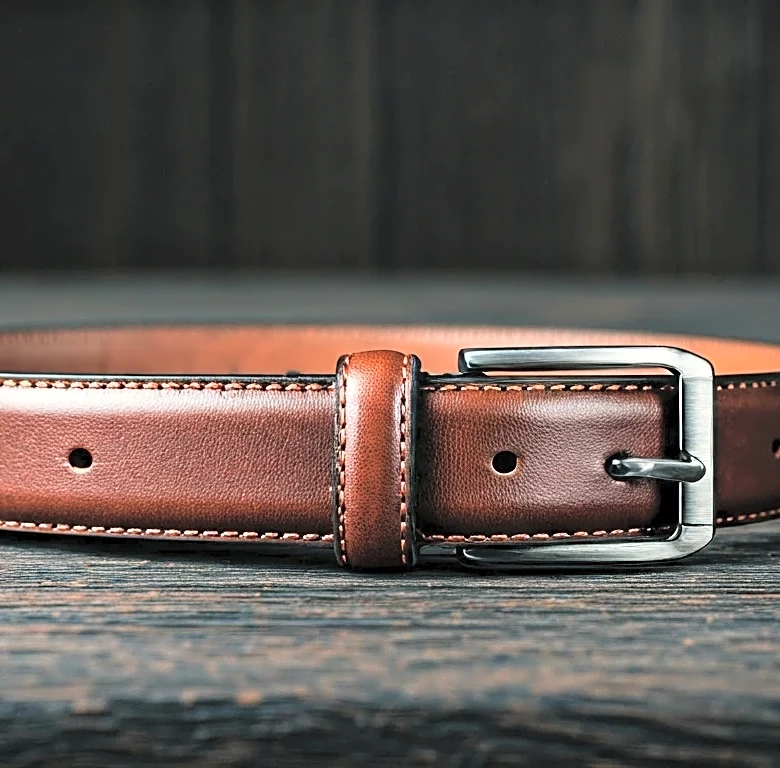
What truly elevates the Western belt from costume piece to a refined accessory is the execution. The Pitti peacocks aren’t grabbing any old belt off the rack. They are choosing pieces defined by quality. The leather is rich and supple, not stiff and plastic-y. The buckles are often sterling silver, sometimes engraved with intricate floral patterns or featuring subtle turquoise inlays. They are treated like jewelry—a focal point for the entire outfit. By pairing this single piece of rugged Americana with an otherwise polished and international wardrobe, the wearer reframes it. The belt is no longer shouting “cowboy”; it’s whispering “I have great taste and an eye for detail.” It’s a masterful high-low mix that demonstrates a deep understanding of style rules, precisely so they can be broken with purpose.