
The Dragon in the Details
A breathtaking gown can define a queen, and a suit of armor can signal a warrior's allegiance. But in the world of fantasy television, that same gown might need to survive a wire-harness flight, and the armor has to be wearable for a ten-hour shoot day
involving complex fight choreography. This is the central conflict for costume designers vying for an Emmy: balancing epic spectacle with grounded function. Before a single sketch is approved, designers read scripts to understand not just the character's personality, but the physical demands of the role. A costume must tell a story, but it must also work for the actor, the stunt performer, and the camera under punishing production schedules. The final garments seen on screen are the result of months of research, countless fittings, and a deep collaboration between the design team and the performers.
Armor That Breathes and Bleeds
Look at a show like HBO's 'House of the Dragon,' a perennial Emmy contender for its lavish and detailed costumes. When designing armor, the team must consider storytelling first. The Targaryen sigils and colors are paramount, but so is the 'reality' of the world. Designer Caroline McCall’s team crafts armor that reflects a character's journey; for example, as Queen Rhaenyra embraces her role as a wartime leader, her wardrobe shifts from courtly gowns to functional dragon-riding armor made of individually crafted scales. This isn't just about looks. The armor is built from lightweight modern materials like foam and flexible plastics, 3D-printed and then painstakingly detailed to look like real, battle-worn metal. The chainmail might be lightweight aluminum, and multiple versions of each 'hero' costume are created, some pristine and others distressed with mud, blood, and grime to reflect the narrative's progression.
Elegance in a Hostile World
It's not all swords and shields. For the elven courts of 'The Lord of the Rings: The Rings of Power' or the dreamscapes of 'The Sandman,' designers face a different challenge: creating ethereal beauty that is surprisingly durable. Fabric choice is everything. A designer might use silk because its sheen will catch the light in a darkly lit scene, ensuring the costume is visible. However, that silk might be reinforced or specially treated to withstand the elements during a location shoot. For 'The Rings of Power,' designers had to create looks for different civilizations—elves, dwarves, Harfoots—that were visually distinct and culturally rich. Sometimes, simplicity is the most functional choice. A single garment for Galadriel required around 70 versions to test how different lengths and fabrics would behave underwater for a key sequence.
The Emmy-Winning Formula
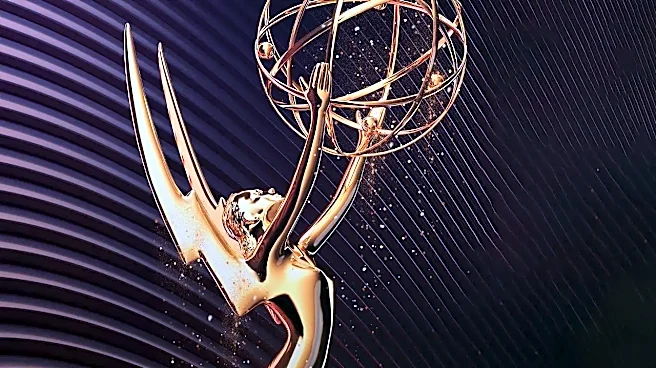
So what makes a costume an Emmy winner in the Outstanding Fantasy/Sci-Fi category? It’s not just about which costume is the biggest or flashiest. Voters from the Television Academy are themselves artisans and technicians who recognize the immense difficulty of the task. They reward the designs that most successfully merge storytelling with problem-solving. An Emmy-winning costume is one that defines a character, helps build the world, and holds up to the rigors of production without breaking—or breaking the actor inside it. It’s a testament to the idea that a warrior’s pauldrons must not only look intimidating but also allow them to swing a sword, and a queen’s crown must not only signify her power but also stay on her head.