






The Grit is the Glory
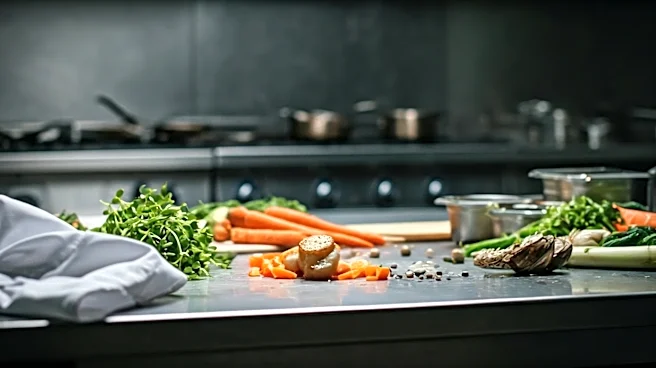
From its opening moments, The Bear established itself as one of the most realistic portrayals of the restaurant industry ever put to screen. It’s a world of high stress, controlled chaos, and the constant, looming possibility of failure. Restaurateurs
and chefs have praised the series for capturing the authentic pressures, from the frantic pace of service to the emotional and financial weight that owners carry. The show’s magic isn’t just in the beautifully plated food; it’s in the raw, unfiltered depiction of the sacrifice, anxiety, and dedication required to create it. To give every character a fairytale ending—Carmy the serene artist, Sydney the undisputed star, Richie the global hospitality icon—would be to sanitize the very reality that makes the show so compelling. It would turn a gritty documentary-style drama into a feel-good sitcom, undermining the foundation of respect it has built by showing the industry for what it truly is: a beautiful, brutal, and often heartbreaking grind.
Character Over Career
The profound character arcs in The Bear have never been solely about professional achievement. Carmy’s journey isn’t just about getting a Michelin star; it’s about untangling his ambition from the trauma inflicted by his family and his relentless pursuit of perfection. He is a man struggling to find peace, not just accolades. Sydney’s arc is one of finding her voice and confidence as a leader, learning to navigate the emotional minefield of a kitchen helmed by a tormented genius. Perhaps most powerfully, Richie’s transformation from a loud, insecure vestige of the old guard to a purpose-driven professional was never about the job title. His journey in the episode "Forks" was a revelation about finding self-respect and a reason to care, a process that was internal and deeply personal. These characters’ growth is measured in their evolving relationships and self-awareness. Tying their ultimate narrative success to a dream job reduces their complex human journeys to a simple career checklist, ignoring the fact that their real victory is learning how to be better people, not just better chefs or managers.
The Real 'Yes, Chef'
If the show has taught us anything, it's that success in this world isn't a final destination. It's the daily, grueling, and sometimes joyful process of showing up and working together. The true 'yes, chef' of the series isn't about blind obedience; it’s an affirmation of mutual respect, trust, and shared purpose. It's about the found family that forges itself in the heat of the kitchen. A perfect ending would imply that this struggle was just a temporary phase before a life of ease. But The Bear argues that the struggle is the life. Real success for this crew might look like the restaurant simply surviving, finding a sustainable, modest groove. It might mean some characters, like Carmy, find peace by stepping away, realizing their dream was a destructive force. The most meaningful conclusion would be one that honors the team's resilience and their bond, demonstrating that they can handle the inevitable future hardships because of the strength they've built together. That is a far more powerful and realistic message.
A More Meaningful Menu
So, what would a fitting end look like? It would be messy, bittersweet, and hopeful, all at once. Perhaps The Bear achieves a level of recognition, but it comes at a cost, forcing difficult choices about its future. Maybe Marcus finds a way to honor his passion for pastry without being consumed by the pressure of a high-end restaurant. Maybe Sydney becomes the leader she's meant to be, but has to make compromises Carmy never would. The most satisfying finale would not be one of universal triumph but one of earned contentment. It would acknowledge that in life, as in cooking, you don’t always get everything you want. Sometimes, you burn the sauce. Sometimes, a key employee quits mid-service. And sometimes, finding a way to make it to the next day, together, is the biggest victory you can ask for. The beauty of The Bear has always been in its truthful portrayal of imperfection, and its final chapter should be the most honest course on the menu.