
The Unwritten Rule of the Stage
Before we dive into the rule-breakers, let's establish the rule. It’s not written in any AMA handbook, but it’s seared into the brain of every stage manager and choreographer: wear shoes you can move in.
The ideal performance shoe is secure, provides grip, and offers enough support to get through a high-energy, three-minute set without a trip, slip, or sprained ankle. This usually means a custom boot, a supportive block heel, or a tricked-out sneaker. It’s the sensible choice. It’s the safe choice. And for many artists aiming for iconic status, it’s the boring choice. Breaking this rule isn’t about recklessness; it’s a calculated risk, a deliberate choice to prioritize storytelling and spectacle over sensibility.
The Gravity-Defying Heel: Theater Over Traction
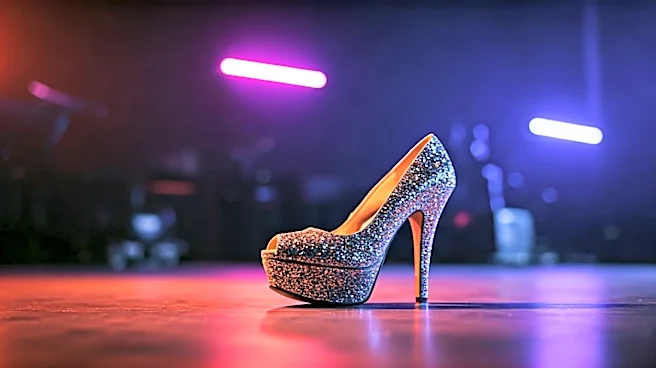
No one embodies this principle more than Lady Gaga. Her entire career is a testament to fashion as performance art, and her footwear has always been central to that. While she’s famous for her sky-high, architecturally impossible Alexander McQueen “Armadillo” heels, the spirit of that choice echoes across awards stages. When an artist like Taylor Swift or Beyoncé navigates intricate choreography in a pair of razor-thin stilettos, they aren't just wearing heels. They’re making a statement about power, precision, and control. The slight sense of danger—the feeling that it could all go wrong—is part of the thrill. It communicates a mastery of their craft so complete that even gravity seems to bend to their will. They’re not just singing a song; they’re demonstrating their physical prowess.
The Barefoot Statement: Radical Vulnerability
On the opposite end of the spectrum is the ultimate rejection of footwear: going barefoot. This isn't a forgotten-shoe mishap; it’s a powerful theatrical device. When an artist like Florence Welch of Florence + The Machine performs barefoot, she’s stripping away the artifice. The act transforms the polished stage into a more primal, earthy space. It signals vulnerability, authenticity, and a direct connection to the music and the floorboards beneath her. In a world of glitter, pyro, and elaborate costumes, the simple act of shedding shoes is profoundly grounding. It tells the audience, “This is me, raw and unfiltered.” It’s a move that works best for artists whose music channels a certain kind of organic, emotional intensity.
The High-Fashion Sneaker: Subverting Formality
For years, the red carpet and performance stage demanded a certain level of formality. Men wore dress shoes; women wore heels. But a new generation of artists has joyfully bulldozed that expectation. When Billie Eilish performs in a custom Chanel suit paired with chunky, logo-emblazoned sneakers, she’s rewriting the rules of what a pop superstar should look like. The same goes for Post Malone, who frequently pairs his elaborate, rhinestone-covered suits with comfortable kicks. This isn’t just about comfort; it’s a branding statement. The sneaker says, “I play in the high-fashion world, but on my own terms.” It projects an image of effortless cool and relatability, subverting the stiff traditions of awards shows and creating a new kind of aspirational style.
The Character Boot: Footwear as Costume
Sometimes, the shoe isn't an accessory—it's a key piece of the costume, essential to the character the artist is playing. Think of Harry Styles and his now-iconic heeled boots. They aren’t just shoes; they’re a nod to the glam-rock gods of the '70s like David Bowie and Mick Jagger. They help him channel a specific rock-and-roll swagger and fluidity that’s core to his stage persona. Similarly, when Lil Nas X steps out in custom, thigh-high cowboy boots, he’s merging genres and identities, telling a story about who he is as an artist before he even sings a note. In these cases, the impracticality is the point. The footwear isn't chosen for a three-minute song; it's chosen to define an entire artistic era.