






Each year, the Met Gala delivers a spectacle of high fashion and celebrity power. But behind the flashbulbs and couture gowns lies a sophisticated, high-stakes business operation where the real currency is access and influence.
More Than Just a Party
On the surface, the Met
Gala is a fundraiser for the Metropolitan Museum of Art's Costume Institute, its only self-funded department. The event raises tens of millions of dollars in a single evening, ensuring the preservation and exhibition of fashion history. But its function as a charity event, while crucial, also provides the perfect cover for its second, unstated purpose: to be the most exclusive and effective networking event in the world. It brings together a meticulously curated guest list of icons from fashion, film, music, sports, technology, and finance. The 'no phones' rule inside isn't just for privacy; it encourages genuine interaction in a room where every handshake could lead to a new venture.
The High Price of Power
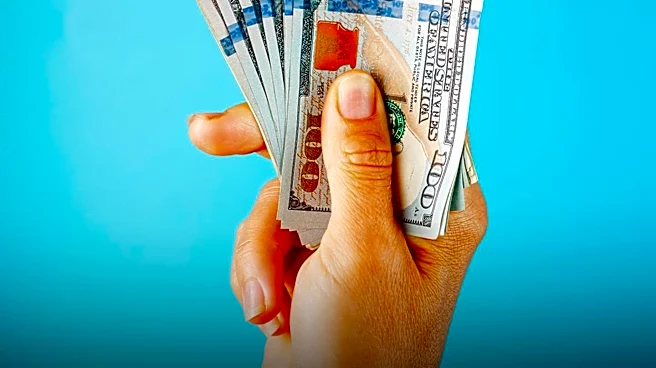
Attending the Gala is an exercise in serious financial commitment, establishing a high barrier to entry that ensures everyone in the room is a major player. By 2026, individual tickets reportedly soared to $100,000, with brands paying upwards of $350,000 for a single table. However, most celebrities don't buy their own tickets. Instead, global brands—from luxury fashion houses to tech giants like Meta and Amazon—purchase tables and invite stars to be their guests. This investment isn't just for a seat at dinner; it's the price of admission to a room where cultural and financial capital converge, all under the watchful eye of Vogue's Anna Wintour, who personally approves every single attendee.
The Strategic Art of the Guest List
The seating chart alone is a masterpiece of strategic networking. Wintour and her team are known for deliberately pairing guests to spark interesting conversations, which can often lead to future collaborations. Imagine a rising musician seated next to a film director, or a tech CEO next to a legacy fashion designer. These aren't random assignments; they are calculated introductions. The guest list has increasingly expanded beyond Hollywood and the runway to include influential tech executives, venture capitalists, and entrepreneurs, recognizing that the future of all industries—including fashion—is intertwined. The Gala floor is where a new app partnership can be quietly discussed or an investment in a new fashion-tech startup can be initiated.
Calculating the Billion-Dollar Return
For brands, the return on investment goes far beyond potential handshakes. Dressing a celebrity for the Met Gala is one of the most powerful marketing plays available. A single viral red carpet moment can generate a massive amount of media value, dwarfing the cost of a traditional advertising campaign. In recent years, the Met Gala has generated a media impact value (MIV) of over a billion dollars, a figure that surpasses the brand exposure of the Super Bowl. A designer dressing a globally recognized celebrity is essentially purchasing a walking, talking billboard that commands worldwide attention for days. This visibility solidifies brand prestige, creates cultural relevance, and can launch a designer's career into a new stratosphere.