


The People’s Campaign Manager
The single most potent example of this shift is “Barbenheimer.” What began as an internet joke about the absurdity of two wildly different films, Barbie and Oppenheimer, releasing on the same day became a full-blown cultural event. The fan-made posters,
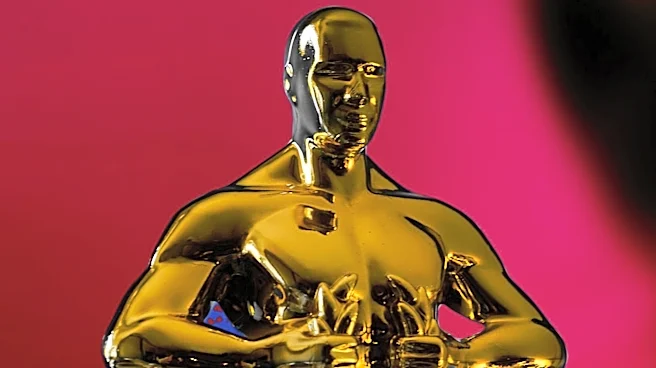
the debates over which to see first, and the sheer volume of memes created an organic marketing wave that studios couldn't buy. This grassroots energy didn't just sell tickets; it framed the entire awards season. Both films dominated the box office and later became major Oscar contenders, earning a combined 21 nominations. The memes created a sense of shared ownership and turned the films’ march to the Oscars into a public crusade, proving that a powerful narrative, amplified by millions online, can build unstoppable momentum.
Anatomy of an Awards Meme
Awards show memes generally fall into a few key categories. There’s the celebration of an instantly iconic, if slightly weird, moment, like Ariana DeBose’s earnest BAFTA rap that gave us the immortal line, “Angela Bassett did the thing.” Initially met with confusion, the phrase became a rallying cry and a full-circle moment when Bassett herself referenced it upon winning an NAACP Image Award. Then there's the long-running inside joke. Nicole Kidman’s intensely sincere AMC Theatres ad became a beloved piece of camp, with audiences chanting along in theaters. Its cultural saturation was confirmed when Oscars host Jimmy Kimmel joked that Kidman had “finally been released from that abandoned AMC.” Finally, there's the outrage meme, which coalesces around a perceived snub. When a popular actor or film is overlooked, fan armies mobilize online, creating a narrative of injustice that can sometimes overshadow the actual winners.
When Institutions Lean In
The institutions themselves—studios and academies—are still figuring out how to navigate this new terrain. Some try to harness the chaos. The “Barbenheimer” phenomenon was eventually embraced by the films' stars and directors, who encouraged the double-feature idea. Others keep a careful distance, hoping to maintain an air of prestige. But the power has fundamentally shifted. Social media engagement often eclipses live viewership. For many, especially younger audiences, the real show isn't on television; it's the real-time commentary, GIF reactions, and memes unfolding on their phones. Memorable moments are no longer just a great acceptance speech; they're a clumsy red-carpet fall, a deadpan presenter, or a candid celebrity interaction caught on camera that becomes a viral sensation. The telecast is just the source material for the internet's main event.
More Than Just a Joke
It’s easy to dismiss this as frivolous, but the rise of meme culture in awards season signifies a deeper change. It’s a form of democratization, where the public gets to decide what moments and stories truly matter. Stan culture, the hyper-dedicated fandoms named after an Eminem song, treats awards season like a competitive sport, passionately advocating for their chosen artists. Their collective voice can elevate a performance, question the criteria of voting bodies, and highlight the frequent disconnect between critics and audiences. In this landscape, a viral reaction can sometimes offer more cultural currency than the trophy itself. Memes condense complex feelings about art, celebrity, and fairness into simple, shareable formats, giving everyone a seat at the formerly exclusive table of cultural commentary.