





More Than Just Clean Lines
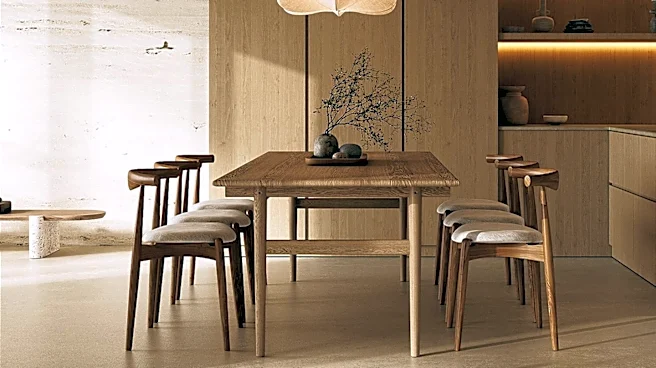
Scandinavian design has long been admired for its simplicity, functionality, and connection to nature. At first glance, Copenhagen's take on this aesthetic appears to be all about clean lines, neutral color palettes, and a distinct lack of clutter. It’s
a philosophy born from long, dark winters, where maximizing light and creating a sense of calm indoors became essential. But to mistake this for a cold or impersonal style is to miss the point entirely. True Copenhagen minimalism isn't about stark emptiness; it’s about creating a sanctuary. This is achieved by carefully curating every single element for both its function and its beauty, ensuring the space feels intentional and serene. The core idea, often linked to the Danish concept of 'hygge', is about a feeling of cozy contentment and well-being.
The Psychology of a Cozy Feeling
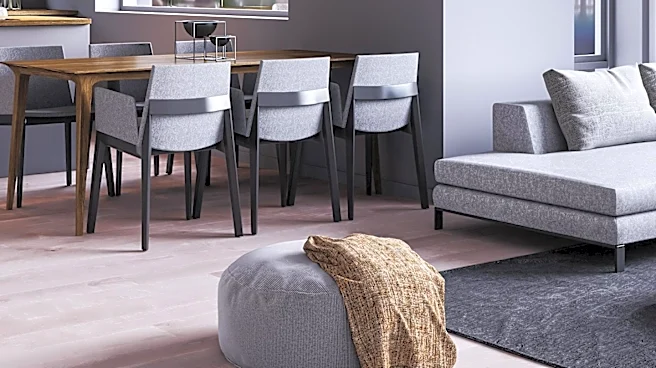
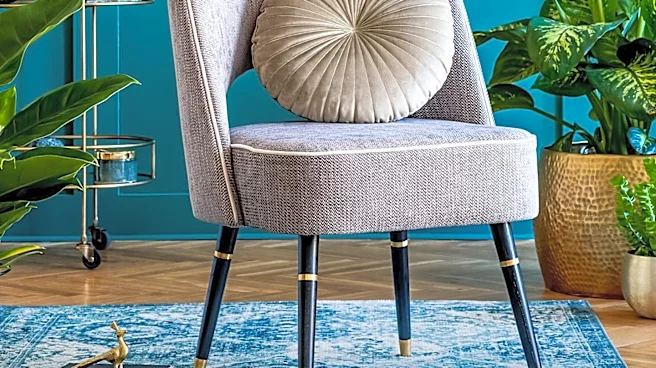
This is where fabric comes in. Our connection to texture is deeply psychological, rooted in our most primal instincts for safety and comfort. Soft, natural materials can trigger feelings of relaxation and security, directly influencing our emotional state in a way visual information alone cannot. Think about the difference between touching a cool, smooth metal surface versus a soft, chunky knit blanket. One feels sleek and efficient; the other feels like an invitation to slow down and settle in. Designers in Copenhagen intuitively understand this. By layering various textures—a rough linen tablecloth, a plush wool rug, a soft bouclé chair—they create a rich sensory experience that engages more than just our eyes. This tactile variety adds visual depth and dimension, making a room feel warmer and more dynamic. It turns a simple space into an environment that our nervous system registers as safe, restorative, and welcoming.
A Symphony of Natural Textures
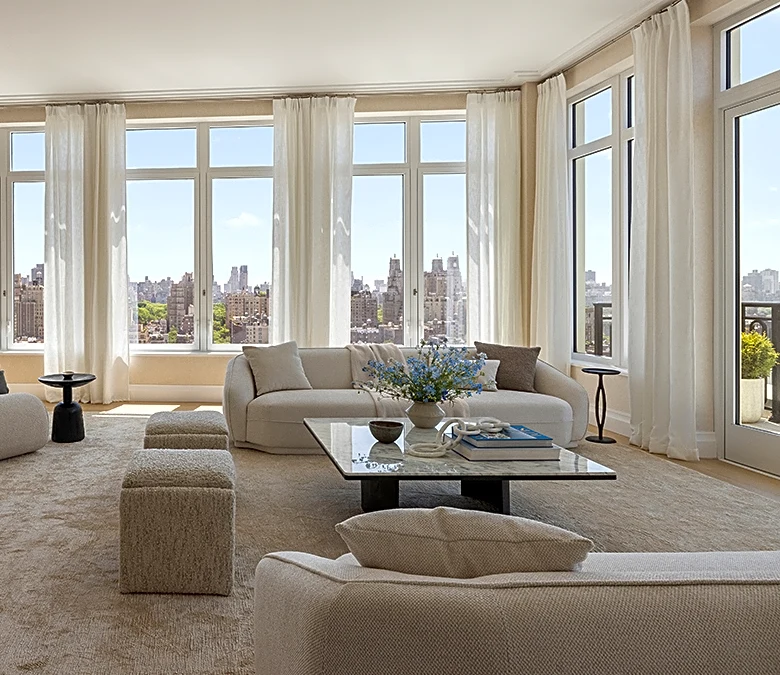
The key to the Copenhagen look is a focus on natural, authentic materials. These fabrics are chosen for their durability, sustainability, and the beautiful way they age. Wool is a cornerstone, prized for its insulating warmth and inherent coziness, making it perfect for throws and rugs that combat the winter chill. Linen, with its slightly crumpled and breathable texture, brings a sense of relaxed, airy elegance to curtains and bedding. Then there are the more contemporary favorites. Bouclé, a looped yarn fabric, offers a nubby, inviting texture that adds a touch of softness and playfulness to chairs and sofas. Shearling and faux fur throws provide an undeniable sense of plush comfort, creating a perfect nook for reading on a cold evening. These textiles are rarely used in isolation; their power lies in their interaction. The contrast between a smooth wooden floor, a nubby wool rug, and a soft linen sofa is what builds that complex, layered sense of comfort.
Bringing the Feeling Home
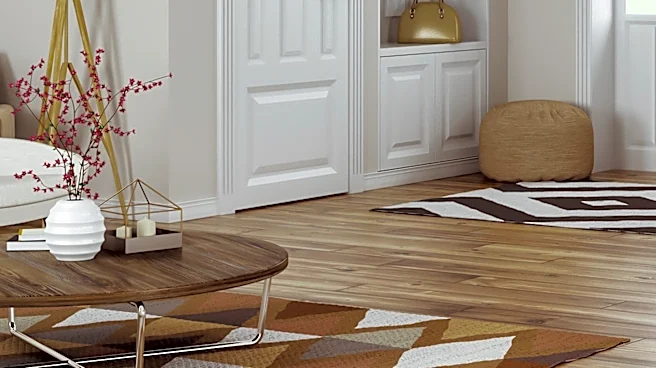
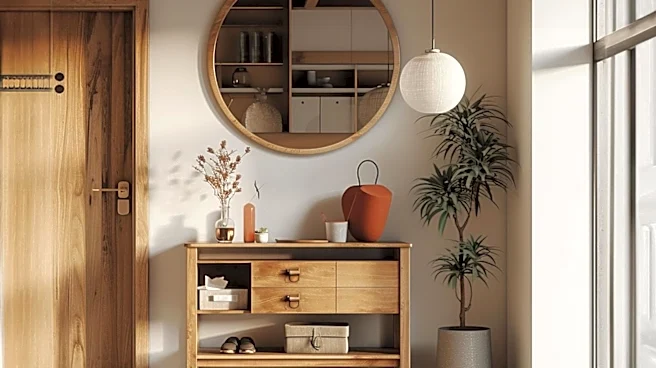
Incorporating this philosophy into your own home isn't about a complete overhaul. It’s about being more intentional with texture. Start by thinking in layers. Instead of a single decorative pillow, consider a mix of velvet, linen, and knitted cushions. Drape a chunky wool throw over the arm of your sofa. Notice the surfaces in a room: if your floors are hard and smooth, a high-pile or woven jute rug can introduce immediate warmth and tactile contrast. The goal is to create a space that invites touch at every turn. Even small details, like stoneware mugs with a matte glaze or a simple vase with a rough, organic finish, contribute to the overall sensory narrative. This approach shifts the focus from how a room looks to how it feels. It’s a design strategy that prioritizes human comfort, turning a minimalist aesthetic from a visual statement into a deeply emotional and restorative experience.