


Armani and the Art of Un-suiting
Before Giorgio Armani, the 1970s power suit was a rigid piece of armor. It had sharp, padded shoulders, a nipped waist, and stiff construction—a uniform for the boardroom warrior. Armani looked at this uniform and saw a cage. His revolution, beginning
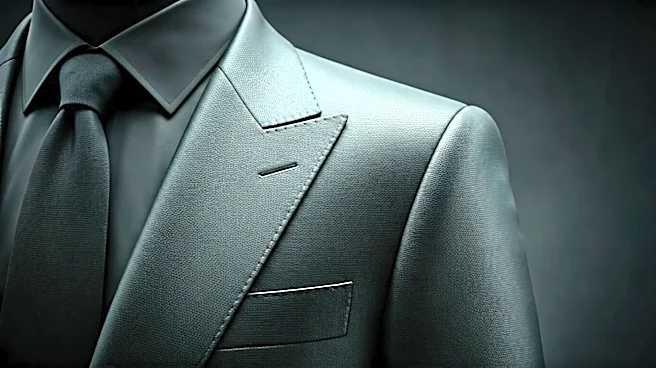
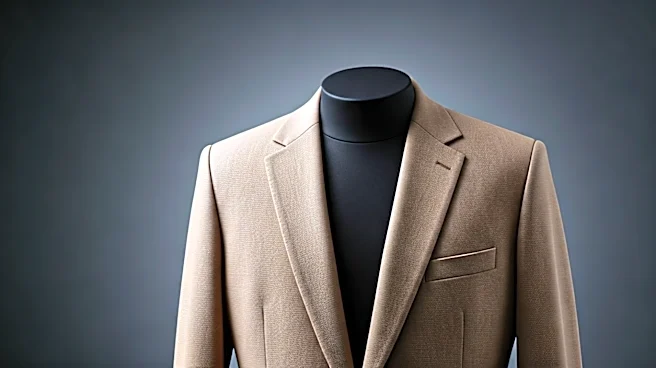
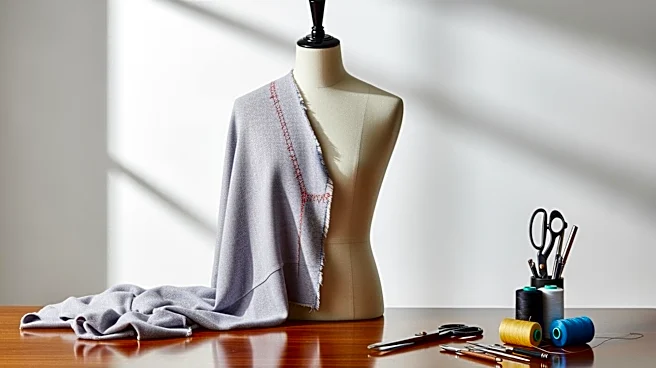
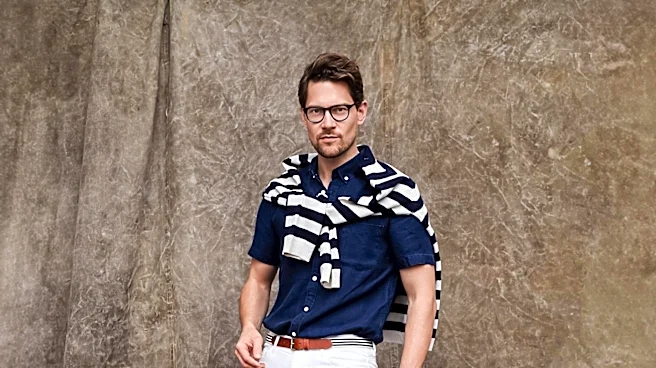
in the late '70s and exploding in the '80s, was one of subtraction. He deconstructed the jacket, ripping out the padding, removing the lining, and using softer, more fluid fabrics like linen and lightweight wool. The result was a silhouette that draped rather than constricted. It gave men a new kind of power, one based on ease and relaxed confidence, not aggression. When Richard Gere wore Armani in the 1980 film *American Gigolo*, he wasn't just a style icon; he was a symbol of a new masculinity. Armani’s signature “greige” palette—a mix of grey and beige—further softened the male image, moving it away from stark black and navy. He taught men that true elegance wasn't about stiffness, but about comfort and a quiet, self-assured nonchalance.
Prada's Intellectual Subversion
While Armani was relaxing the suit, Miuccia Prada was questioning its very purpose. In the 1990s, when menswear was dominated by hyper-masculine, gym-built models in logo-heavy designs, Prada offered a radical alternative. Her vision of masculinity was intellectual, nerdy, and intentionally “off.” She elevated humble, industrial materials like black nylon to the status of luxury, creating backpacks and jackets that were utilitarian and chic in equal measure. This was a direct challenge to the traditional codes of leather and cashmere. Prada’s menswear silhouettes were often awkward and cerebral: slightly boxy shirts, high-waisted trousers, and chunky, “ugly” shoes that prioritized concept over classic beauty. The Prada man wasn't necessarily trying to be sexy; he was trying to be interesting. He signaled his status not with flashy logos, but with an appreciation for art, ideas, and a kind of anti-fashion fashion. Miuccia Prada gave men permission to be thoughtful, complex, and even a little weird, rewriting masculinity as a form of intellectual expression.
Zegna's Quiet Luxury
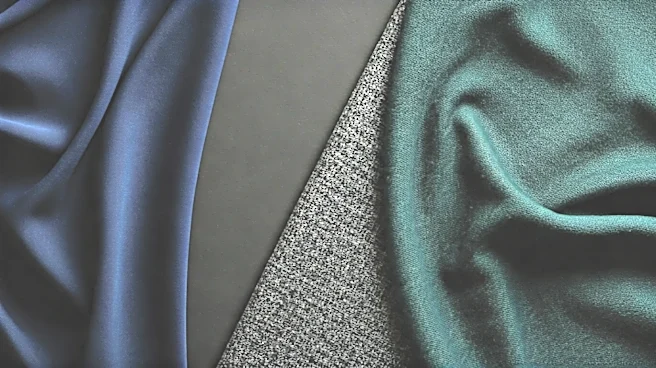
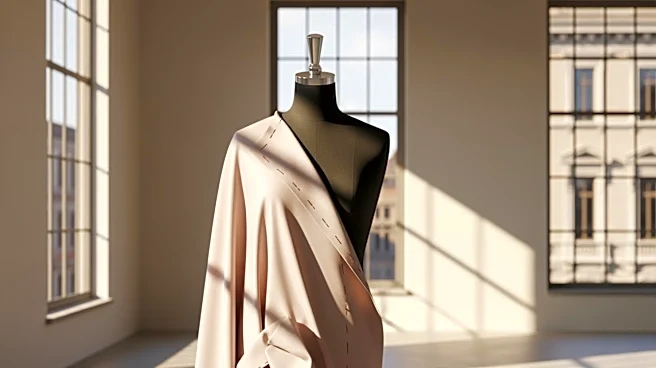
Ermenegildo Zegna’s story is different. The brand began not as a design house but as a world-class textile mill in 1910. For most of its history, Zegna was the secret weapon behind other luxury labels, supplying the finest fabrics in the world. Its version of masculinity was always rooted in this obsession with material quality. But under the creative direction of Alessandro Sartori, Zegna has transformed into a leading voice in modern menswear. It champions a concept known as “soft tailoring.” This isn't just about comfortable suits; it's about erasing the line between formalwear and leisurewear. Think cashmere overshirts worn like blazers, deconstructed jackets in feather-light wool, and trousers with the elegant cut of formalwear but the feel of sweatpants. Zegna’s masculinity is mature, understated, and incredibly self-assured. It's for the man who doesn’t need to shout to be heard. His power comes from the quiet confidence of wearing something impeccably made. Zegna’s man is post-trend; he values timeless craft and personal comfort above all else.
The New Italian Wardrobe
Today, on the runways of Milan, the legacies of these three giants converge. The rigid archetypes are gone. In their place is a fluid, multifaceted vision of masculinity that borrows from all three philosophies. You see Armani’s ease in the unstructured blazers and flowing trousers that are now staples everywhere. You see Prada’s intellectualism in the unexpected fabric combinations and the embrace of more gender-fluid silhouettes. And you see Zegna’s quiet luxury in the global obsession with high-quality, comfortable, and versatile pieces that function for work, travel, and home. These houses didn't just sell clothes; they offered men new ways to see themselves. They dismantled the old uniform and gave them the tools to build a personal wardrobe, one that could be powerful, thoughtful, or quietly confident—and sometimes, all three at once.