








The Problem with 'Flicker' Bulbs
We've all bought them: the orange plastic bulbs that promise a 'flame effect.' You screw them into your porch light or place them in a jack-o'-lantern, expecting a scene straight out of a classic horror film. Instead, you get a frantic, unconvincing strobe
that screams 'seasonal aisle,' not 'spooky elegance.' The problem isn't the flicker; it's the color. Most standard LED bulbs, even the ones designed for Halloween, emit a light that is fundamentally too cool and too simple. Real fire is a complex, deeply warm light source. Our brains are hardwired to recognize the difference, and that subconscious detection is what makes most flame-effect lighting feel cheap. An expensive, atmospheric look isn't just about mimicking motion; it's about replicating the authentic color of fire.
The Secret: It's All About Color Temperature
The single most important factor for achieving a rich, candlelit glow is color temperature, measured in Kelvin (K). This scale describes the visual warmth or coolness of a light source. For context, harsh midday sun is a cool 5000-6000K, while a standard 'soft white' incandescent bulb is around 2700K. But true candlelight and firelight are much, much warmer, falling in the 1800K to 2200K range. This is the hidden choice. By selecting bulbs that specifically operate in this extra-warm amber and gold range, you create a light that feels inherently authentic and luxurious. Your brain perceives this deep warmth not as a cheap imitation, but as the real thing, instantly elevating the entire scene from tacky to terrifyingly tasteful.
What to Look For: 'Warm Dim' and Low Kelvin
So, how do you find these magical bulbs? You need to look for two key phrases on the packaging or in the product description. The first is the Kelvin rating: look for bulbs explicitly rated between 1800K and 2200K. Anything higher, like the common 2700K, will give you a pleasant living room glow, not a deep, fire-lit horror vibe. The second, and perhaps more sophisticated option, is 'Warm Dim' or 'Dim-to-Warm' technology. These advanced LEDs are designed to mimic traditional incandescent bulbs by growing warmer in color as they are dimmed. At full brightness, they might be a functional 3000K, but as you lower the power, they shift down to that moody, 1800K candlelight glow. This allows for dynamic control, moving from a brighter welcome to an intimate, eerie ambiance with the slide of a dimmer.
How to Use It for Maximum Impact
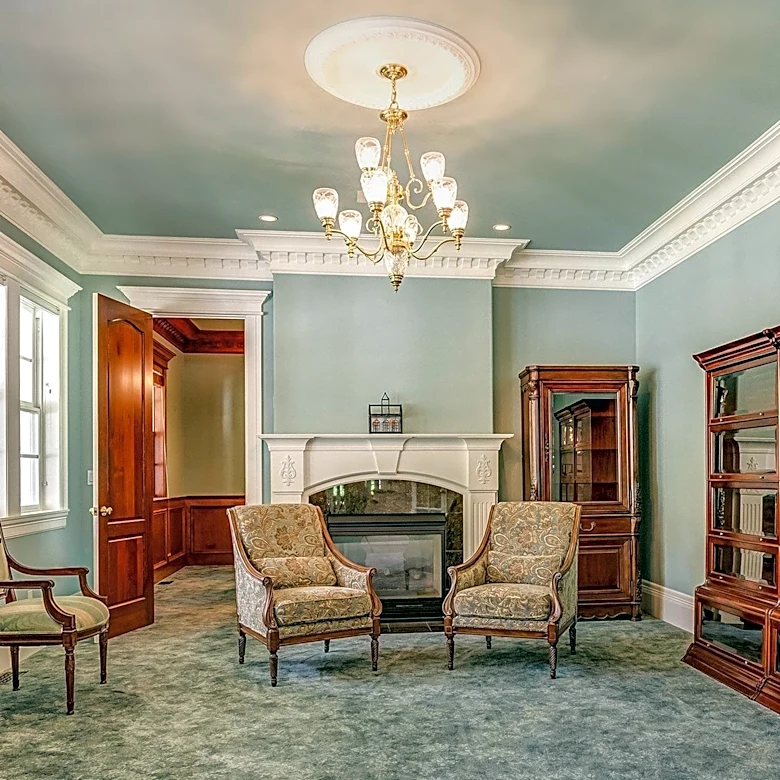
Once you have the right bulbs, placement is key to creating that expensive look. Use them inside pumpkins for a realistic, inner-glow that standard orange lights can't match. Place them in lanterns lining your walkway or on a porch to cast long, dancing shadows. If you have a chandelier in your entryway or dining room, swapping the regular bulbs for E12 candelabra-base flame bulbs with a low Kelvin temperature can transform the entire space. The key is consistency. Avoid mixing these ultra-warm lights with cool, blue-toned lights in the same visual space, as this will shatter the illusion. By committing to the warm-light theme, you create a cohesive and immersive environment that feels deliberate, thoughtfully designed, and impressively spooky.