



A Human Songbook
To frame Lead Belly as simply a bluesman is to miss the point entirely. While the blues were a part of his sound, his repertoire was a sprawling encyclopedia of American music. With a memory for over 500 songs, he was a living archive of folk standards,
gospel hymns, prison work songs, cowboy ballads, and even children's music. This stylistic diversity made him what experts call a “songster”—a musician with a vast and varied catalog learned through oral tradition. He didn’t just play songs; he inhabited them, performing with a ferocious intensity on his signature 12-string guitar that made him sound more like a full band than a solo artist. This refusal to be confined to a single category is a key reason his music feels eternally fresh.
From Prison to Folk Icon
Lead Belly’s life was marked by hardship, including multiple stints in prison for violent crimes. It was behind bars at Angola Prison in Louisiana that folklorists John and Alan Lomax first recorded him in 1933 for the Library of Congress. The story that he sang his way to freedom by winning over governors with his music became part of his legend, though the reality is more tied to good behavior and parole eligibility. His relationship with the Lomaxes was complex; they were instrumental in bringing his music to a wider audience but also framed him through a lens of rustic authenticity that could be confining. After his release, Lead Belly moved to New York City, where he became an unlikely star in the burgeoning folk revival scene, influencing peers like Woody Guthrie and Pete Seeger.
The Ghost in the Machine of Modern Music
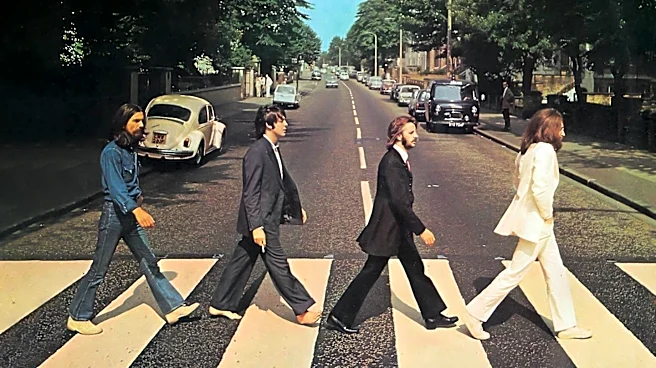
Lead Belly died in 1949, just before his music achieved its greatest commercial success. A year later, the folk group The Weavers took their version of his song “Goodnight, Irene” to number one on the pop charts, making it a national sensation. This set a pattern that would repeat for decades. The Animals popularized “The House of the Rising Sun,” a song Lead Belly had helped make famous. Creedence Clearwater Revival found success with “Cotton Fields” and “The Midnight Special.” The British skiffle craze, which directly led to The Beatles, was kicked off by Lonnie Donegan's cover of Lead Belly's “Rock Island Line.” As George Harrison put it, “No Lead Belly, no Beatles.”
An Enduring, Raw Authenticity
Decades later, the trail of influence continued. In 1993, Nirvana introduced Lead Belly to a new generation with their haunting performance of “Where Did You Sleep Last Night?” on MTV Unplugged. Kurt Cobain, a devoted fan, listed one of Lead Belly's albums as one of the 50 most influential to Nirvana's sound. This is perhaps the ultimate testament to his staying power. Artists from Bob Dylan and Janis Joplin to Eric Clapton and The Rolling Stones have cited his influence. His music wasn't polished or market-tested; it was a raw, unfiltered expression of life, forged in hardship and delivered with an undeniable power that trends simply cannot erase. He didn't chase styles; he was a style unto himself.