







Building a City from Dust
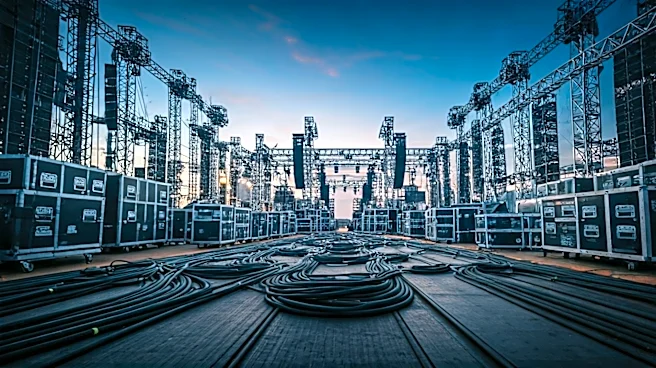
Weeks before the first fan’s tent stake hits the ground, the Bonnaroo site in Manchester, Tennessee, is a hive of activity that looks more like a major construction project than a music festival. This is the build-out phase, where a 700-acre farm is transformed
into a temporary city capable of hosting over 80,000 people. The first to arrive are not rock stars, but surveyors, engineers, and heavy-equipment operators. They lay miles of temporary roads, dig trenches for plumbing and fiber-optic cables, and erect the steel skeletons of the iconic stages. Massive generators are trucked in to create a power grid from scratch, while water systems are installed to supply everything from drinking fountains to artist showers. It’s a multi-million dollar, meticulously planned operation that forms the festival's invisible foundation. By the time attendees arrive to see colorful banners and sprawling art installations, they are walking through a fully functional, albeit temporary, municipality.
The Army of the Unseen
The sheer number of people required to run Bonnaroo is staggering, and most of them work entirely out of the public eye. Beyond the artists and their personal crews, a workforce numbering in the thousands is needed to keep the machine running. This includes hundreds of security personnel managing entry points and roaming the grounds, and a full-scale medical team operating field clinics and emergency response golf carts. There are the sanitation crews working 24/7 to manage the mountains of waste and service the hundreds of portable toilets—a thankless but essential job. There are specialized audio engineers and lighting designers who have been on-site for a week, fine-tuning the experience for each specific stage. Then there’s the army of volunteers—the “C’roo”—who trade hours of work sorting recycling, directing traffic, or assisting attendees in exchange for a ticket. These different tiers of labor, from highly paid professionals to enthusiastic volunteers, form a complex human ecosystem dedicated to a single goal: ensuring the ticket holder has a seamless, carefree experience.
Surviving the 96-Hour Marathon
Once the gates open, the operation shifts from construction to crisis management and constant maintenance. For the festival’s core staff, the weekend is a 96-hour marathon with little sleep. A central command center, often hidden in a series of trailers, acts as the festival's brain. Here, department heads for security, medical, and operations monitor radio chatter and CCTV feeds, dispatching teams to handle everything from a lost child to a potential weather emergency. The logistics of supplying the festival are immense. Food vendors must keep their stalls stocked, bars require constant replenishment of ice and alcohol, and artist hospitality teams coordinate complex backstage needs. While a fan is enjoying a headliner's set, a team is already working behind the stage to prepare for the next act, swapping out gear in a tightly choreographed dance that allows for near-continuous music. This relentless, round-the-clock effort is what allows the “anything goes” vibe of the festival to exist within a safe and controlled environment.
The Disappearing Act
For many workers, the hardest part of the job begins after the last note has been played and the final fan has driven away. The teardown, or “load out,” is a race against the clock to dismantle the city as quickly as it was built. It’s a dirty, exhausting process. Crews work long hours to break down stages, remove fencing, and pull up temporary flooring. The most daunting task is the cleanup. Teams sweep across the 700-acre site, collecting a landscape of abandoned tents, discarded food wrappers, and countless other items left behind. Sustainability crews sort tons of material for recycling and composting in an effort to minimize the festival’s environmental footprint. Within two weeks, the bustling city of 80,000 is gone. The stages are packed onto trucks, the banners are rolled up, and the farm is returned, as much as possible, to its original state, leaving almost no trace of the massive production that just took place.