





The Intimacy of the Human Voice
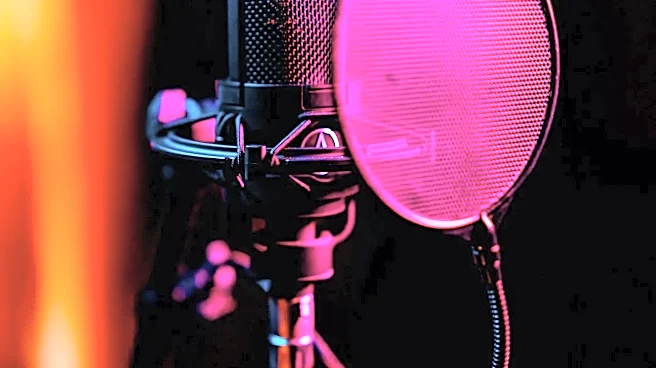
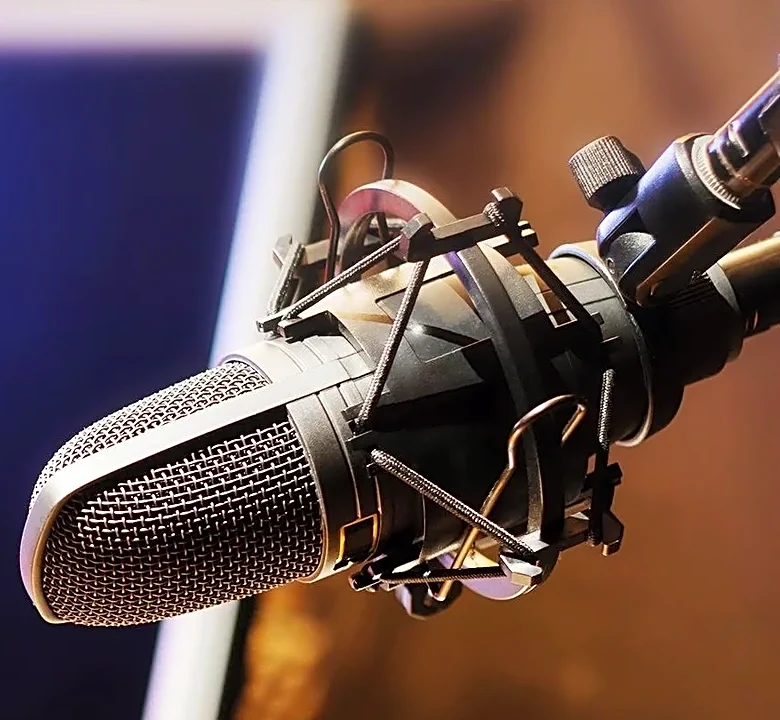
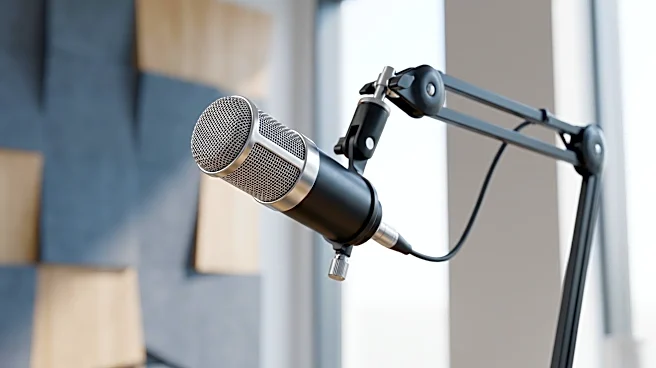
The first thing headphones reveal is proximity. In top-tier talk shows and narrative journalism, producers don't just record a voice; they place it. By using specific microphone techniques, a host can sound like they're speaking directly into your ear,
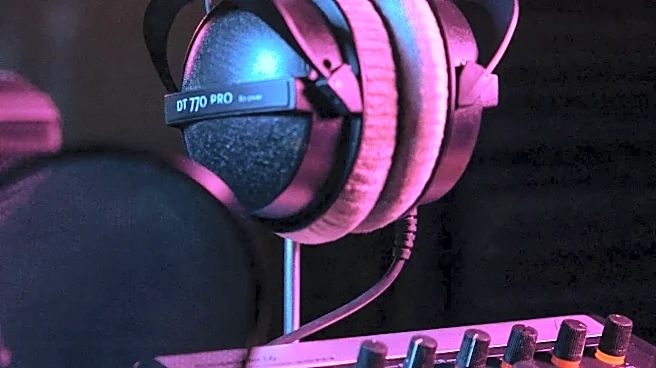
creating an almost startling level of intimacy. It’s a deliberate choice to make a host feel like a trusted friend sharing a secret. Without headphones, that voice is just a sound in a room, competing with the hum of your refrigerator. With them, the subtle breaths, the slight shifts in tone, and the quiet emotion become part of the story. This is why podcasters themselves always wear headphones while recording: they need to monitor their own voice to maintain that perfect, consistent distance that makes you, the listener, feel so connected.
World-Building Through Ambience
Awards-caliber podcasts don’t just tell you a story; they transport you. A huge part of that magic is ambient sound. This isn't just random background noise. It's a carefully curated audio texture that establishes a location. Think of the subtle clinking of glasses and low murmur of a coffee shop in one scene, versus the lonely echo of footsteps in a deserted hallway in another. Creators of shows like "99% Invisible" are masters of this, using sound to build the world without a single visual cue. When you listen on speakers, these delicate layers often get compressed or lost. But with headphones, you can discern the specific sounds that create the atmosphere, making the listening experience feel three-dimensional and fully immersive.
The Unseen Art of Foley
In film, foley artists create the sounds of footsteps, rustling clothes, and creaking doors to make scenes feel real. That same art form is now a crucial element in sophisticated narrative podcasts. These are not generic sound effects pulled from a library; they are custom-recorded sounds performed to match the story's action. The crunch of leaves underfoot in a forest, the specific click of a particular doorknob, the rustle of a character pulling a letter from an envelope—these details add a layer of realism that elevates a story from a simple narration to a lived experience. It's an expensive and time-consuming process, but it’s what separates a good podcast from a truly great one. These sounds are often so subtle that they are perceived subconsciously, but they are most effective when delivered cleanly to each ear via headphones.
Scoring That Drives the Narrative
Music in a great podcast is never just filler. It's a strategic tool used to manipulate your emotions, build suspense, and signal shifts in the narrative. An investigative podcast might use a subtle, tense electronic score that slowly builds as a reporter gets closer to a breakthrough. A historical series might use period-appropriate music to anchor the listener in a specific era. The best producers use music as an invisible character in the story, guiding your feelings without you even realizing it. Headphones allow you to hear the full dynamic range of the score—the deep, vibrating bass notes and the delicate high tones that would otherwise be lost. This is how sound designers can make your heart race or bring a tear to your eye, simply by weaving music and voice together in a precise, intentional way.
The Spatial Magic of Stereo and Binaural Audio
This is where headphones become non-negotiable. Sound designers for top shows think in stereo. They pan sounds to the left or right channel to create a sense of movement and space. A car might sound like it's approaching from the left and driving past you to the right. More advanced productions use binaural recording, which uses two microphones to capture sound in a way that mimics human hearing. When you listen to a binaural recording on headphones, your brain is tricked into perceiving a 360-degree soundscape. You might hear a whisper that sounds like it's coming from directly behind you or a noise that seems to be above your head. It is a profoundly immersive technique that is completely impossible to experience through a single speaker or even standard stereo speakers.