






The Ending That Wasn’t an Ending
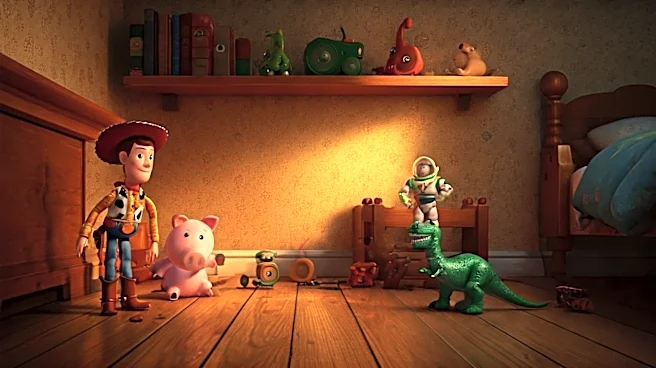
Let’s be honest: Toy Story 3 felt like a perfect, heart-wrenching finale. Andy passing his beloved toys to Bonnie was a generational moment, a poignant meditation on growing up and letting go. It left audiences teary-eyed but satisfied. Then came Toy Story 4,
a film that, despite winning an Oscar and making a billion dollars, felt to many like a well-made but unnecessary epilogue. It gave Woody a separate send-off, splitting him from his family of 25 years. While critically praised, it left the franchise in a fractured, ambiguous state. That’s the baggage Toy Story 5 inherits. It can’t just be a good movie; it has to justify reopening a story that audiences felt had already been beautifully closed. Twice.
Pixar’s Post-Midas Touch Problem
This sequel isn’t being made in a vacuum. It’s arriving after the roughest patch in Pixar’s celebrated history. The COVID-19 pandemic saw several of its films—including the critically acclaimed Soul and Turning Red—shunted directly to Disney+, a move that trained audiences to see new Pixar movies as living-room content, not must-see theatrical events. This strategy backfired spectacularly with Lightyear, a Toy Story spinoff that bombed at the box office, failing to connect with audiences and creating brand confusion. Even Elemental, which recovered admirably after a weak opening, demonstrated that the Pixar logo is no longer a guaranteed slam dunk. The studio that once seemed infallible now seems vulnerable, making a return to its most beloved property feel less like a creative spark and more like a strategic retreat.
The Bob Iger Mandate: More Sequels, Less Risk
Enter Disney CEO Bob Iger, who returned to the company with a clear mandate: steady the ship. Part of his publicly stated strategy involves leaning more heavily on the company's most successful franchises. He has been vocal about his belief that Pixar had focused too much on original stories that didn't always translate into sequels and merchandise, diluting the power of its core IP. In this context, Toy Story 5 isn't just another film; it's Exhibit A of the new Iger-era philosophy. Alongside planned sequels for Frozen and Zootopia, it represents a pivot back to perceived certainty. The mission is to deliver reliable, four-quadrant hits that reinforce the brand and reassure Wall Street. This puts immense pressure on the film's pre-release narrative. The story being told to the public *about* the movie has to be one of confident, necessary storytelling, not a creatively bankrupt cash grab.
Winning the Story Before the Premiere
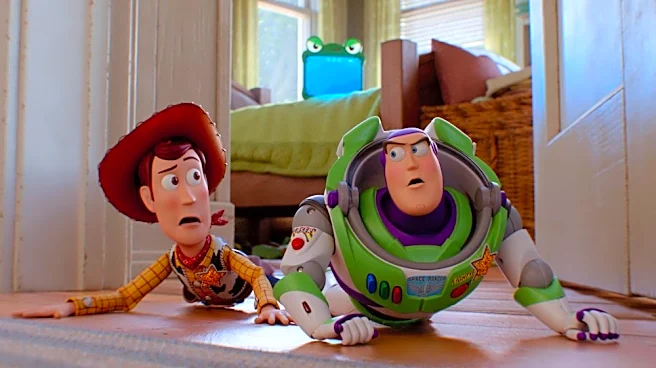
This is where the pre-release narrative becomes critical. The marketing, the early interviews with director Andrew Stanton (a Pixar legend), and the eventual trailers have a job to do that’s almost as important as the film itself. They must answer the single most important question: *why?* Why does this story need to be told? What emotional journey is left for Buzz, Woody (assuming his return), and the gang that is so compelling it justifies another chapter? The narrative must re-center the franchise's core themes of loyalty, purpose, and friendship. It needs to promise a reunion that feels earned, not forced. If the pre-release buzz focuses on a powerful new story engine, it can turn skepticism into anticipation. If it feels like a hollow exercise in brand management, audiences may simply decide they’ve already said their goodbyes.