







The Texas-Sized Entertainment Palace
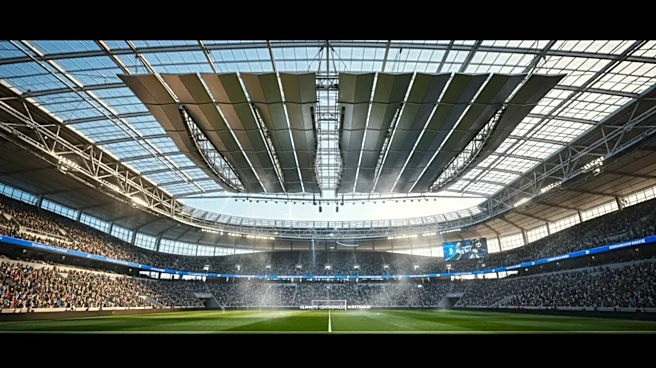
AT&T Stadium in Arlington, home of the Dallas Cowboys, is arguably the headliner of the roofed venues. Known for its colossal scale, the stadium features two enormous steel arches supporting a retractable roof. This design allows the entire structure
to be column-free, offering unobstructed views from virtually every seat. For the World Cup, that roof will almost certainly remain closed. The primary benefit is climate control; with Texas summers regularly pushing past 100°F, the ability to seal the building and run the air conditioning is non-negotiable for player and fan safety. This creates a loud, contained, and shockingly cool environment, turning a soccer match into an indoor arena event. The feel is less about battling the elements and more about a polished, high-tech entertainment experience, amplified by one of the world's largest video boards hanging over the pitch.
The Futuristic Indoor-Outdoor Marvel
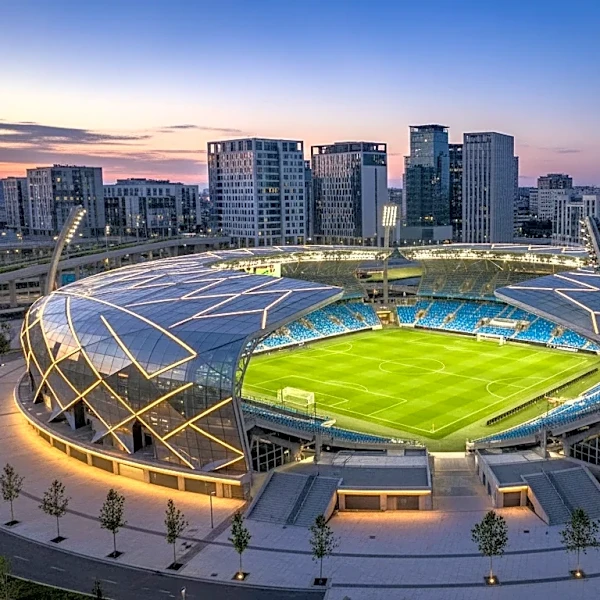
SoFi Stadium in Los Angeles isn't just a dome; it's an architectural statement. It features a fixed, translucent roof canopy made of ETFE plastic panels that allows filtered sunlight to pass through while still protecting everyone from the elements. The design is unique because the stadium bowl itself has open sides, creating what designers call an "indoor-outdoor" feel with natural ventilation. This gives it a completely different vibe from the sealed-box feel of other domes. The translucent roof and the massive, double-sided "Infinity Screen" video board create an immersive, futuristic environment that feels more like a tech campus or a spaceship than a traditional soccer ground. It’s designed to be a spectacle from the moment you arrive, choreographing the entire fan experience.
The Trailblazing Climate Controller
Houston's NRG Stadium was the very first NFL venue built with a retractable roof, setting a template that others would follow. Its existence is a direct response to Houston's sweltering and humid summer climate. For the World Cup, its role is simple: provide a guaranteed, air-conditioned escape from the oppressive heat. Like the other Texas venue, the roof is expected to stay shut for the entire tournament. This decision is driven primarily by the need to protect the specially installed natural grass pitch, which requires shade and a controlled climate to survive. For fans, this means a predictable and comfortable experience, free from the threat of thunderstorms or draining humidity. The atmosphere will be loud and insulated, a direct descendant of the revolutionary Astrodome that sits next door—the world's first-ever domed stadium.
The Camera-Lens Cathedral
Mercedes-Benz Stadium in Atlanta boasts perhaps the most visually stunning roof in all of sports. Inspired by the oculus of the Roman Pantheon, it consists of eight massive, triangular steel panels that retract in a circular motion, resembling the aperture of a camera lens. The effect, when it opens or closes, is a mesmerizing piece of kinetic art. While the roof is a spectacle, it will remain closed for all World Cup matches to protect the climate-sensitive natural grass inside. This decision turns the stadium into a perfectly controlled environment. The enclosed space, combined with a unique 360-degree "halo" video board that rings the roof opening, creates an intense and focused atmosphere where the on-field action is amplified by the surrounding technology.
The Canadian Cable-Supported Giant
As one of two Canadian hosts, Vancouver's BC Place offers a different kind of covered experience. The stadium features the world's largest cable-supported retractable roof, which was added in a major renovation. While the mild Vancouver summer weather doesn't necessitate a roof for climate control, FIFA has generally opted to keep it closed for World Cup matches. The primary reasons are consistency for television broadcasts—eliminating moving shadows—and protection from any unexpected rainfall. This decision ensures a stable, predictable playing environment. For fans, it means a guaranteed dry seat and an atmosphere where crowd noise is effectively trapped within the bowl, making it one of the louder venues in the tournament, despite being in one of its most temperate cities.