






The Official Battlefield: Paying to Play
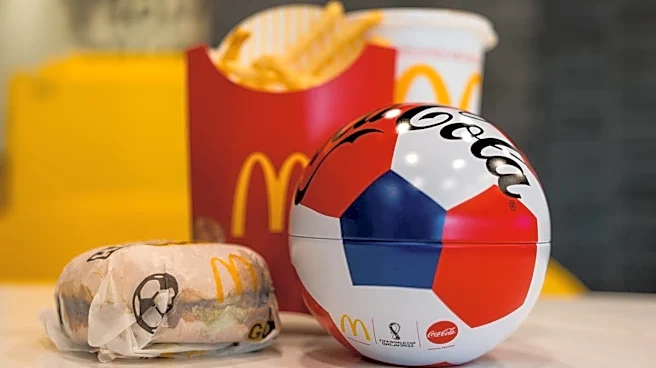
The most visible soldiers in this war are the official sponsors. Companies like Coca-Cola, Adidas, and Visa pay staggering sums—often hundreds of millions of dollars—to have their names formally associated with the tournament. This isn't just about plastering
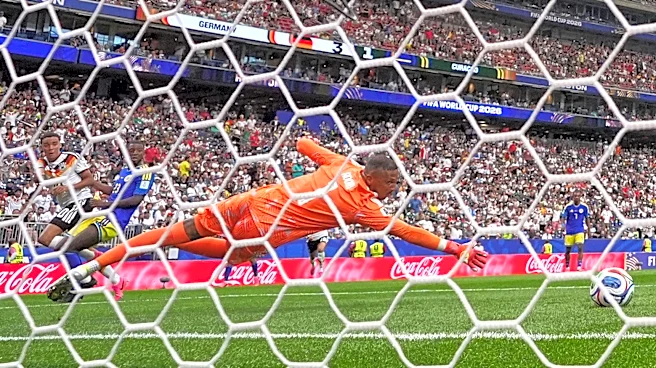
logos on stadium banners. These brands buy category exclusivity, meaning if Coca-Cola is the official soft drink, you won't see a Pepsi ad anywhere near an official venue. This top-tier access, granted by governing bodies like FIFA, creates a 'clean' marketing environment where official partners have uncontested access to a captive global audience. They get prime ad slots during broadcasts, use of official tournament logos, and the right to call themselves a 'Proud Partner.' It’s a pay-to-play system designed to create an unassailable marketing fortress.
Guerilla Tactics: The Art of the Ambush
But what about the brands that don't want to pay the massive entrance fee? They engage in what’s known as 'ambush marketing'—a set of clever, often aggressive tactics to associate themselves with the event without paying for official rights. Think of it as guerilla warfare. A classic example is Nike’s long-standing rivalry with Adidas. For years, Adidas has been the official tournament apparel sponsor, but Nike consistently dominates the conversation by sponsoring the world’s most famous players and teams. They'll launch massive global ad campaigns featuring their superstar athletes right as the tournament begins, flooding the airwaves and social media. The ads never mention the tournament by name, but the timing and context are unmistakable. To the average viewer, Nike feels just as much a part of the event as the official sponsors, achieving the association for a fraction of the cost.
The Arms Race: Player Power
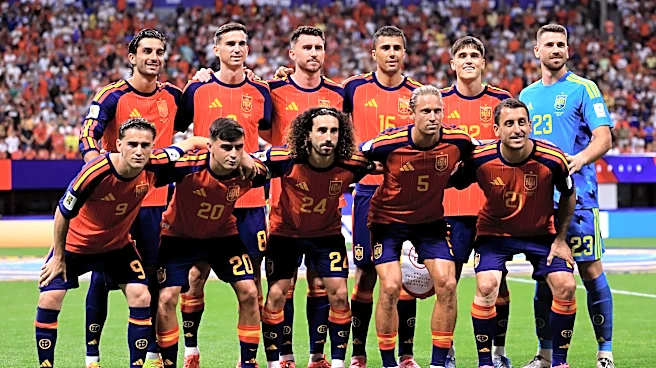
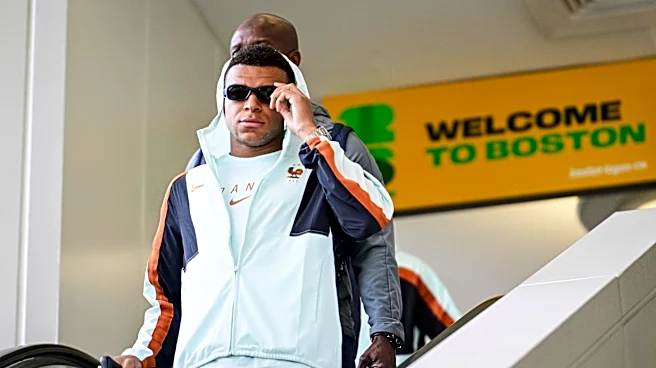
Individual athletes have become the primary weapons in this marketing war. A player like Lionel Messi or Cristiano Ronaldo is a global brand in their own right, with hundreds of millions of social media followers. While the tournament might be sponsored by Visa, a star player's personal endorsement with American Express creates a fascinating conflict. Brands leverage these players to cut through the official marketing clutter. When a Nike-sponsored player scores a winning goal in their Nike cleats, it creates a powerful, authentic marketing moment that no official banner can replicate. This turns player contracts into a strategic arms race, with brands betting that the allegiance of fans to their heroes is stronger than their allegiance to the tournament’s official partners.
The New Front: Winning the Social Media Blitz
Today, the war is won and lost in real-time on social media. The 90 minutes of a match are now accompanied by a 24/7 digital battle for attention. Brands employ social media 'war rooms' to react instantly to game-changing moments. Did a player pull off an incredible trick? His sponsor will have a slickly edited video celebrating it online within minutes. Was there a controversial referee decision? A clever, unaffiliated brand might post a witty meme about it that goes viral. This digital agility allows smaller brands and ambush marketers to punch far above their weight. They can hijack hashtags, engage with fans directly, and create viral content that generates millions of impressions, all without paying a dime to the event organizers. The goal is no longer just to be seen, but to be part of the global conversation.