

The Runway as a Creative Laboratory
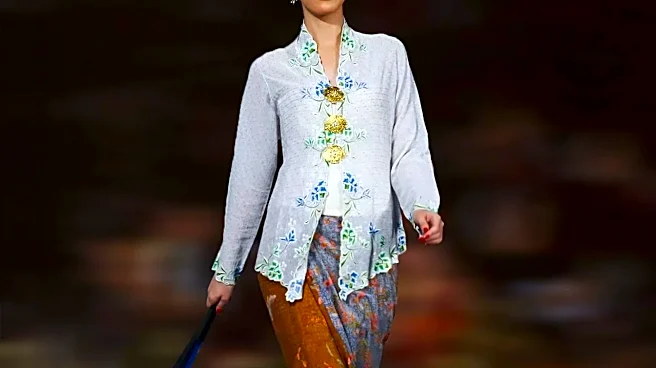
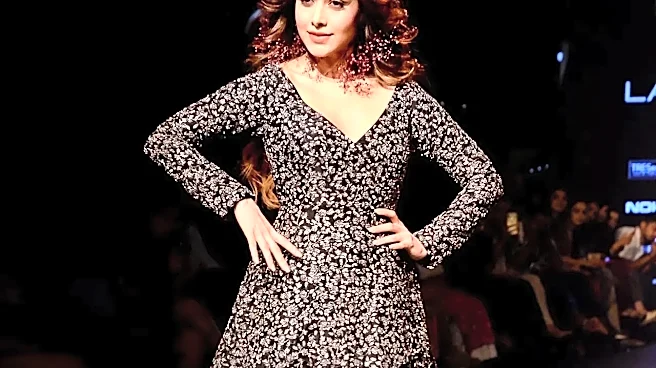
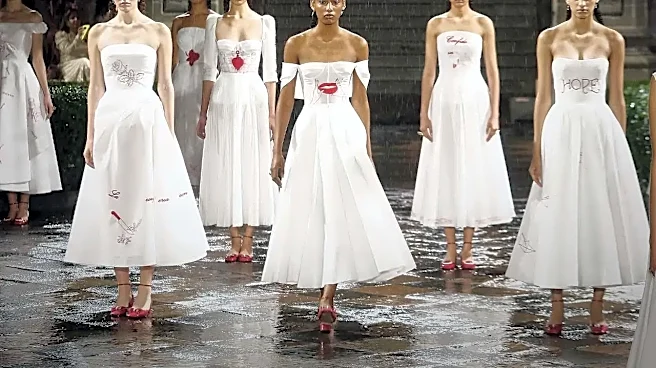
Think of a designer's runway show less as a store catalog and more as a concept car showcase. The primary goal isn't to sell the exact, exaggerated pieces parading down the catwalk. Instead, designers are presenting a pure, distilled version of their
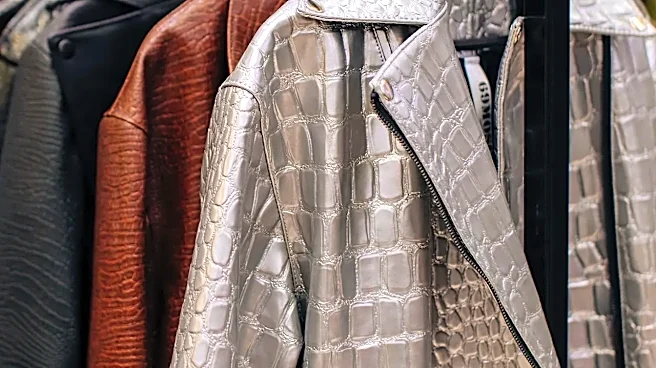
vision for the upcoming season. This is their moment to experiment with new silhouettes, debut a specific color palette, or explore a cultural theme without the immediate pressure of commercial appeal. Shows from brands like Thom Browne, known for theatrical and surrealist presentations, are closer to performance art, using clothing to tell a story or provoke a reaction. The ideas presented—a sculptural shoulder, a specific shade of pastel, a focus on texture over print—are the raw materials for the trends that will eventually become mainstream.
The Filters: Editors and Buyers
The first filter between the runway and the real world is the audience. Seated in the front rows are the industry's most powerful gatekeepers: fashion editors and retail buyers. Editors from major publications analyze dozens of shows, identifying common threads and anointing certain looks or items as the next big thing. Simultaneously, buyers from department stores and online retailers like Moda Operandi are making critical business decisions. Their job is to translate the designer's creative fantasy into commercial reality. They assess which elements will resonate with their specific customers, placing orders not necessarily for the most extreme runway piece, but for more accessible versions that capture its spirit.
The Street Style Bridge
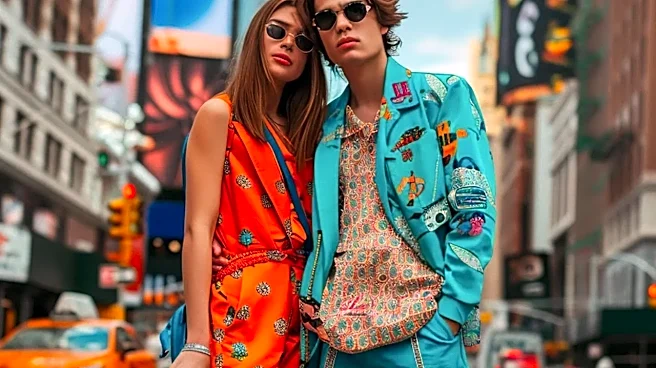
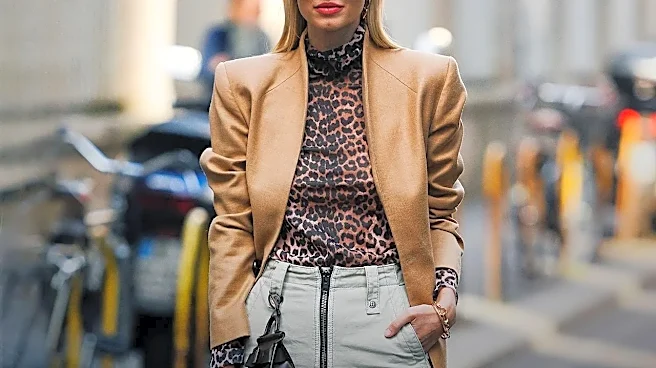
The space between the runway shows has become a runway in its own right. Street style, featuring editors, influencers, and fashion-savvy attendees, acts as a crucial bridge between high-concept fashion and everyday wearability. These style-setters often take a fresh-off-the-runway idea—perhaps a preppy plaid or a particular animal print—and immediately demonstrate how to incorporate it into a more grounded, personal look. Photographers capture these outfits, and within hours, the images are circulating globally, offering a more relatable interpretation of the season's key trends. This phenomenon has become so influential that it's now a two-way street, with street style trends often inspiring designers' next collections.
The Fast Fashion Accelerator
Once a trend is validated on the runway and amplified by street style, the fast-fashion machine kicks into high gear. Brands like Zara and H&M have mastered the art of rapidly turning runway concepts into affordable retail products, sometimes in a matter of weeks. This is the “trickle-down effect” on steroids. A micro-mini skirt popularized by a luxury brand can become a $40 item accessible to millions, democratizing the trend almost instantly. While this speed has its own set of ethical considerations, it plays an undeniable role in making high-fashion ideas ubiquitous and, therefore, normalized for the average shopper.
From a Look to an 'Aesthetic'
In today's digital age, influence is more diffuse. A single runway look may not be copied exactly, but its essence can fuel a viral social media “aesthetic” or “-core.” Think of ballet-inspired styles from designers like Sandy Liang fueling “balletcore,” or the rise of utilitarian pieces contributing to “gorpcore.” The September 2026 shows, for instance, are seeing a return of what some are calling "serious style," with a focus on sharp tailoring and rich textures from brands like Khaite and Proenza Schouler. While you may not buy the exact runway blazer, the collective mood pushes retailers to stock more structured jackets and polished trousers, subtly shifting your perception of what feels current and professional. The runway provides the theme, and the internet creates the movement.