




The Prestige and the Powder Keg
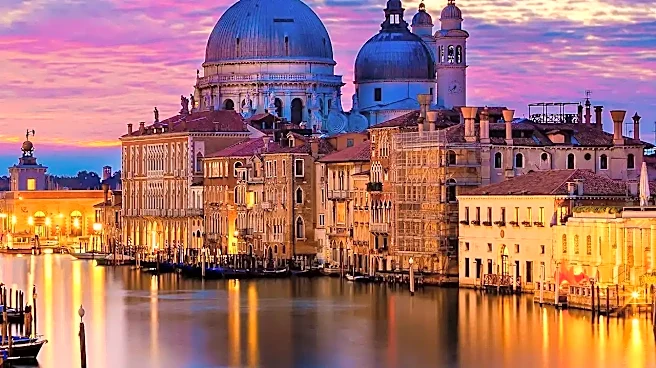
The Venice Film Festival is not just any event; it's one of the oldest and most prestigious in the world, a known launchpad for the Academy Awards. Since 2014, multiple Best Picture winners, including "Birdman" and "Nomadland," premiered on the Lido.
This history creates immense pressure. Studios arrive with their Oscar hopefuls, and a positive reception can set a film on a path to glory. Conversely, a negative one can be catastrophic. When critics gather for these world premieres, they hold the power to shape a film's narrative before it ever reaches the public. This high-stakes environment is the perfect breeding ground for explosive reactions. The first word from Venice often becomes the loudest, reverberating across the industry.
The Race to the Hot Take
In the age of social media, the thoughtful, long-form review is often outpaced by the instant, 280-character reaction. As soon as the credits roll, critics and journalists rush to post their initial thoughts. On platforms like X (formerly Twitter), nuance is a casualty of the algorithm. Extreme takes—whether proclaiming a film a masterpiece that received a 20-minute standing ovation or a disaster of epic proportions—get the most engagement. A savagely witty takedown or a rapturous string of superlatives is far more likely to be quote-tweeted, memed, and debated than a measured critique. This creates a dynamic where the most hyperbolic reactions are amplified, quickly solidifying into the dominant online consensus, whether it's fair to the film or not.
Welcome to 'Movie Twitter'
To understand the phenomenon, you have to understand the community known as "Movie Twitter." It's a passionate, knowledgeable, and often chaotic subculture of cinephiles, critics, and fans who live for the discourse. This group treats film festival season like the Super Bowl. They follow the play-by-plays, celebrate the triumphs, and relish the failures. When a shocking review drops, it's not just a piece of criticism; it's gossip, it's drama, it's an event. The community's reactive nature means that a single opinion can trigger a massive pile-on, generating thousands of posts in a matter of hours. This online buzz then feeds the real-world buzz, creating a snowball effect.
Case Study: The Spectacular Crash
History is filled with examples, but the reception for Roman Polanski's "The Palace" at the 2023 festival is a perfect illustration. The film, already controversial due to its director, premiered to some of the most scathing reviews in recent memory, quickly earning a 0% on Rotten Tomatoes. One critic called it an "absolute stinker," while another said it was "so dire that the filmmaker can no longer be defended because of his genius." These brutal, highly quotable pans went instantly viral on Movie Twitter, with the festival director himself even admitting the film was "weak" while criticizing the meanness of the reviews. The online reaction was swift and merciless, cementing the film's reputation as a spectacular failure long before most of the world had a chance to see it.
Does It Actually Matter?
While a viral thrashing on social media can feel all-encompassing, its real-world impact is debatable. For an art-house film seeking distribution, a wave of negative buzz can be a death sentence. However, for major studio films, these online firestorms often exist within a bubble. The discourse may rage among the terminally online, but the general moviegoing public is often completely unaware. By the time the film is released months later, the Twitter drama is ancient history. The viral review, then, is often more a reflection of social media's love for a good story than a definitive judgment on the film itself. It's a fleeting, fascinating spectacle where the worlds of prestigious film culture and chaotic internet chatter collide.