
The Promise of a Club in a Field
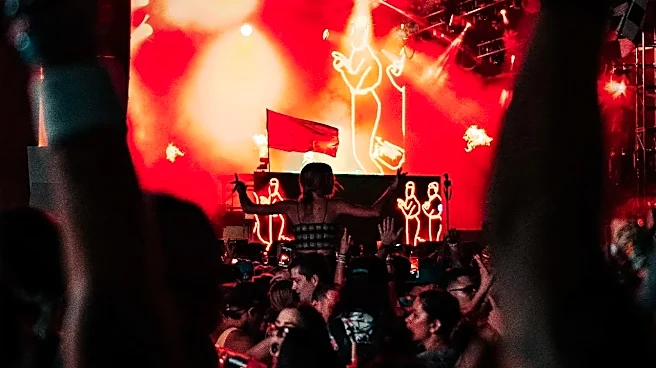
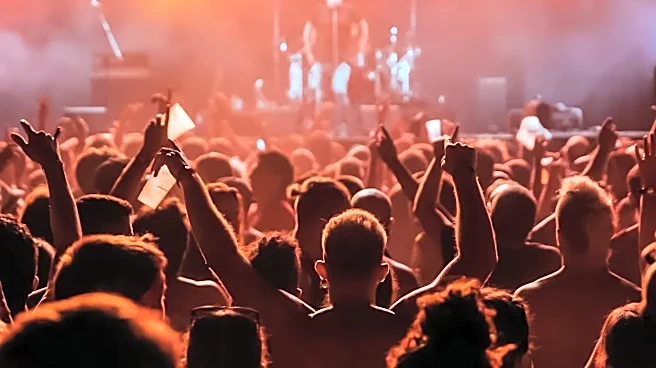
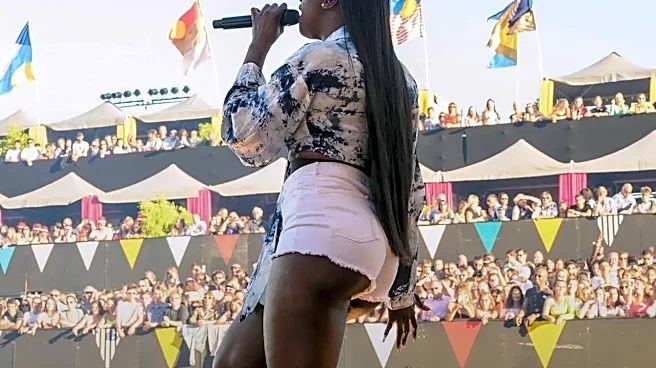
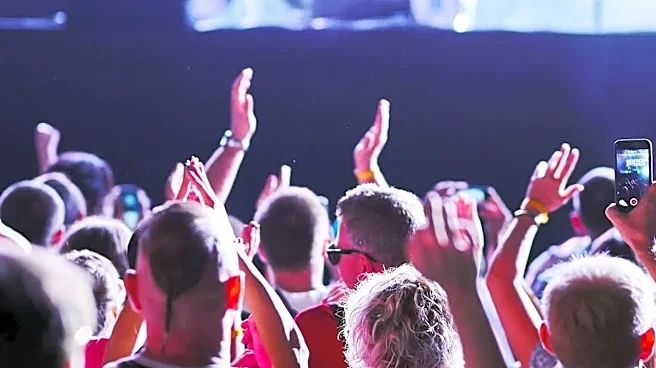
First, let’s be clear: The SOMA stage at Outside Lands is a brilliant concept. In the sprawling, sun-drenched expanse of Golden Gate Park, it offers a portal to another dimension. It’s a dark, enclosed space dedicated to the throb of house and techno,
designed for immersion. In a festival environment often geared toward massive, open-air stages, SOMA provides the focused, intimate energy of a proper nightclub. The sound is contained, the lights are hypnotic, and the focus is squarely on the dance floor. This is a space built specifically for the culture of electronic music, a welcome departure from seeing a DJ on a massive stage built for a rock band, miles away from the crowd. It’s an acknowledgment that this music deserves its own context. But that perfect context is exactly why its one major flaw feels so pronounced.
The Lost Art of the Musical Journey
The greatest DJ sets are not a sprint; they're a marathon. They are stories told over hours, not minutes. A DJ’s job in a classic club setting is to guide the room through different energy levels, warming up the floor, hitting a euphoric peak, and bringing the crowd back down gently. This requires time to read the room, to experiment with deep cuts, to build trust with the audience, and to let tracks breathe. You can’t create a multi-hour rollercoaster of emotion in a 60 or 90-minute festival slot. World-class DJs like Danny Tenaglia built legends on sets that could last all night, taking clubbers on unforgettable odysseys. The extended set gives an artist the freedom to be truly creative, to move beyond their biggest hits and showcase the depth of their musical knowledge. It’s a fundamentally different art form than the compressed, high-impact performance demanded by the modern festival schedule.
When the Clock Kills Creativity
The standard festival format, driven by the desire to stack lineups with as many big names as possible, has shrunk set times across the board. For a rock band, a 60-minute set can be a tight, punchy highlight reel. For a DJ, it can be a creative straitjacket. When an artist only has an hour, the pressure is on to deliver a high-energy, peak-time experience from the very first beat. There’s no time for a slow build or a risky transition. The setlist becomes predictable: play the hits, create a few big drops for the social media clips, and get off stage. This leads to a homogenized experience where artists can't showcase their unique skills in progression and selection. Instead of a unique journey tailored to the night, the crowd often gets a slightly modified version of the same set the DJ played at last week's festival. It prioritizes spectacle over substance, and the art form suffers for it.
A Simple Fix for a Deeper Experience
The solution isn’t complicated: give them more time. The SOMA stage is already a specialized environment. It should pioneer a specialized schedule to match. Instead of packing the day with seven or eight artists playing 90-minute sets, why not feature three or four artists playing for three hours each? This would allow for true warm-up, peak-time, and closing sets, mimicking the natural flow of a club night. It would give DJs the canvas they need to truly perform their craft, taking bigger risks and forging a deeper connection with the audience. Fewer names on the poster might seem like a marketing risk, but for the dedicated fans SOMA attracts, the promise of a proper, extended set from a master like Lane 8 or Boris Brejcha would be a massive draw. It would be a statement that Outside Lands not only provides a space for dance music, but truly understands it.