




More Than Just a Wardrobe
For decades, costume design was one of filmmaking’s unsung heroes—essential, but rarely in the spotlight. That era is definitively over. In 2026, costume is a language in itself, a primary tool for building worlds and expressing a character’s innermost
life. It's a shift from merely dressing actors to authoring identity. This evolution is partly thanks to a broader cultural fascination with how we present ourselves. On-screen wardrobes are no longer just beautiful or historically accurate; they are complex narrative maps that chart a character's journey, values, and conflicts. Today, audiences are just as likely to discuss a character’s style evolution as they are a key plot twist, recognizing that the two are often one and the same.
London's Cinematic Stage
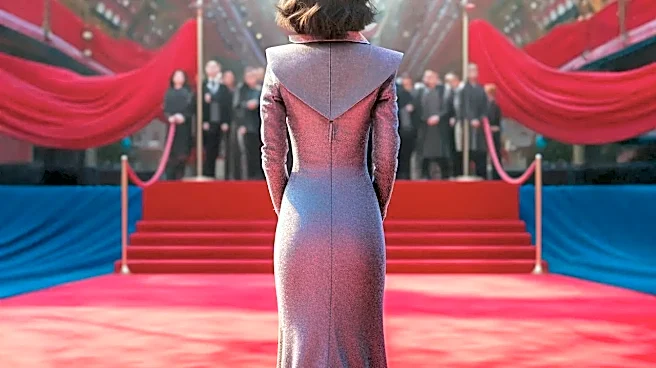
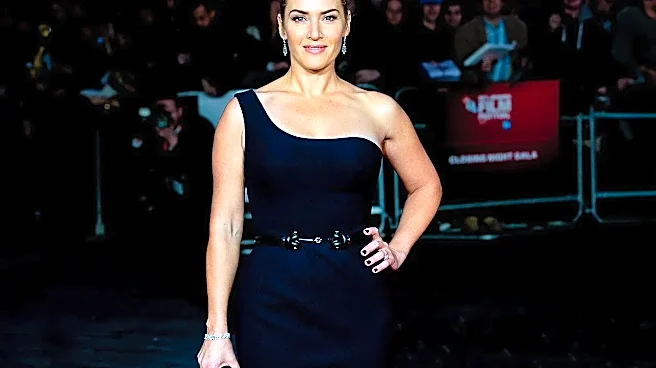
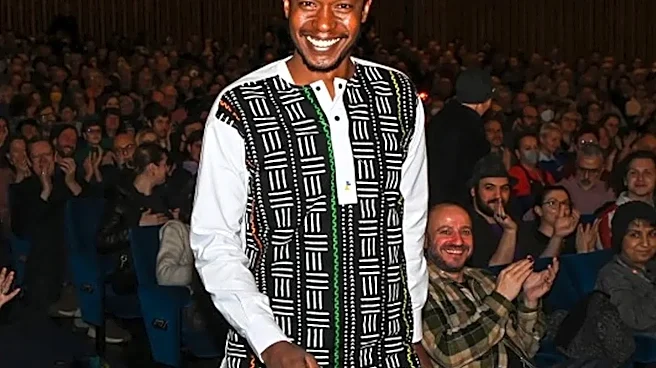
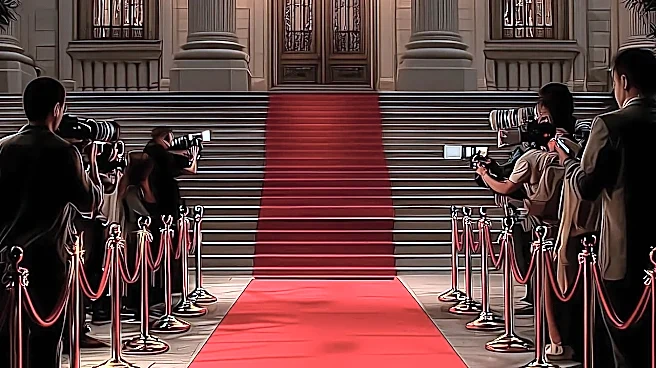
The 70th BFI London Film Festival, running from October 7th to the 18th, is a prime example of this movement. While the schedule is packed with major premieres like Simon Stone's 'Elsinore' and buzzworthy galas, the festival's program of talks and events reveals a deeper interest in the craft of filmmaking. A key event in the Industry Forum is an in-depth conversation with costume designer PC Williams, celebrated for her work on films like 'We Are Lady Parts'. This session focuses on the art of costume design, the space for creative experimentation, and the importance of fostering new talent. Another free panel, 'The Politics of Looking Good', directly tackles the intersection of fashion and identity, questioning whether what we wear can ever truly be a form of resistance. Panelists include designer Priya Ahluwalia and author Tansy Hoskins, situating the conversation firmly in today's cultural climate.
Identity Woven in Fabric
The festival's focus mirrors a larger trend in cinema where costumes are central to exploring identity. Take, for instance, the film 'I Love Boosters,' which inspired one of the festival's panels. It tells the story of female shoplifters targeting a fashion mogul, using clothing to navigate and subvert worlds of class and power. Similarly, the closing night film, Jesse Eisenberg's 'The Debut,' features a quiet housewife who discovers a new identity through community theater—a transformation undoubtedly reflected in her wardrobe. This approach treats costume as a form of visual psychology. A character's choice of a specific jacket, the changing fit of their clothes, or a shift in color palette can communicate their entire internal arc without a single word of dialogue. It’s a powerful acknowledgment that what we wear is a reflection of who we are, who we want to be, and the society that shapes us.
The Designer as Storyteller
The rising prominence of these discussions also elevates the costume designers themselves. No longer seen as mere technicians, they are increasingly recognized as key creative authors. Their research, historical knowledge, and artistic vision are fundamental to the film's success. Events like the BFI's 'in-conversation' series and UCLA's 'Sketch to Screen' program highlight the intellectual and creative labor involved, giving designers a platform to discuss their process. This shift is amplified by social media, where fans dissect and celebrate cinematic fashion moments, creating a direct line of appreciation for the designers' work. They are the 'artisans, alchemists and dream weavers' who craft the visual soul of a film, and festivals like the BFI are making sure everyone knows their names.