





The Myth of the Heel
Heel shapes are notoriously cyclical. Stilettos, first popularized in the 1950s, came back with a vengeance in the 2000s and remain a classic. Block heels defined the ‘60s and ‘70s, but they also anchored 1990s grunge boots and are a staple of modern
footwear. Platforms have had major moments in the ‘70s, ‘90s, and again in the 2020s. Because they reappear so frequently, relying on heel height alone can easily cause confusion, making you mistake a shoe from the Y2K era for one from the disco era. While the heel tells part of the story, it doesn't provide the full context. For a more precise read, you have to look at the toe.
The Telltale Toe
Unlike heels, which are often revived in their original form, toe shapes tend to be more specific to their time. The toe's silhouette—be it pointed, round, square, or almond—is directly linked to the overall fashion mood of a decade. It dictates the line of a trouser, the practicality of the garment, and the very posture of the wearer. Learning to read the toe is like learning a secret fashion language; it’s the detail that separates the casual observer from the true style aficionado. It’s where the most telling trends are born and where they leave their most distinct mark.
The Delicate Point and Mod Squad Round: 1950s-1960s
The 1950s embraced a new kind of elegance, and the stiletto was its ultimate expression. These shoes almost universally featured a sharp, delicate pointed toe, which added a touch of sophistication and glamour. Icons like Marilyn Monroe and Audrey Hepburn solidified this look. As fashion pivoted into the rebellious 1960s, silhouettes softened and shortened. Shoes followed suit. The needle-point was replaced by softer round toes and, most distinctly, the squared-off toe, which paired perfectly with the era's mod dresses and bold, geometric patterns.
The Broad and Rounded Seventies
The 1970s were a decade of extremes, and footwear was no exception. While some sleek, pointy styles persisted, the dominant look was chunky and substantial. The rise of the platform shoe required a balancing act. To support the visual and physical weight of a massive wedge or platform heel, the toe box became broader and more rounded. This substantial, often blunt, shape was a core feature of the decade’s iconic disco platforms and clogs, grounding the flamboyant styles with a solid foundation.
The Unmistakable Nineties Square-Off
If one toe shape defined the 1990s, it was the square. This wasn't the gentle, mod square of the ‘60s, but a severe, architectural, and often chunky statement. From minimalist mules and strappy sandals to heavy combat boots, the blunt square toe dominated the decade. It was a rejection of the previous decade's excess and a nod to a more streamlined, anandrogynous, and sometimes gritty aesthetic. Seeing a prominent square toe is one of the strongest indicators that a shoe has its roots in the ‘90s.
The Hyper-Pointed Noughties
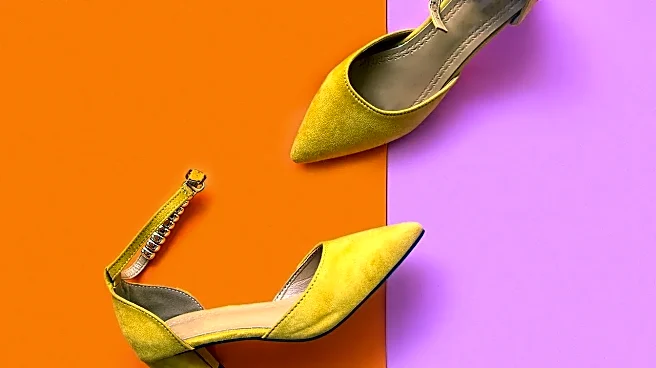
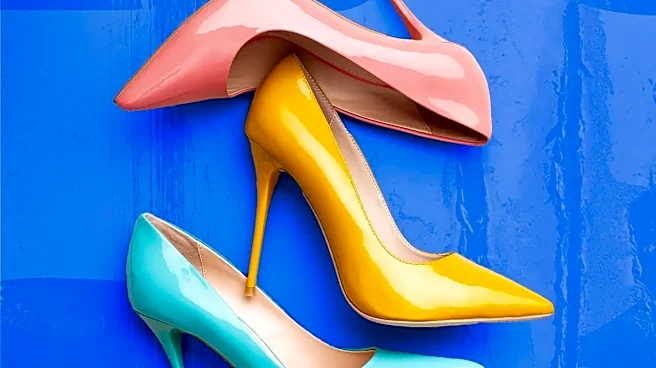
The new millennium brought back the point with a vengeance. The 2000s were defined by the “needle-point” or “hyper-point” toe. This was a longer, sharper, and more aggressive version than the classic 1950s style. It appeared on everything from painfully chic stilettos to completely flat pumps. The extreme point of a noughties shoe is its most recognizable feature, instantly dating styles like kitten-heeled slingbacks and ballet flats to that specific period.
The Softer 2010s: Almond and Round
After the aggressive angles of the ‘90s and ‘00s, the 2010s ushered in a softer, more wearable era. The extreme point evolved into the “almond” toe—a shape that tapers gracefully without being painfully sharp, offering a versatile and elegant silhouette. Simultaneously, the classic round toe made a major comeback, especially with the explosion in popularity of ballet flats and riding boots. These two shapes defined the decade’s blend of comfort and classic style, moving away from the more polarizing trends of the past.
Today’s Toe-pography: An Era of Revivals
The 2020s have been characterized by a mashup of revivals. The most prominent returning trend has been the square toe, echoing the ‘90s but often with a more refined or exaggerated modern twist. However, we are also seeing sculptural, asymmetrical, and even pointed toes making a comeback. This eclectic mix reflects today’s fashion landscape, where personal style often trumps monolithic trends. The current era borrows from all previous decades, but the specific way a square or pointed toe is interpreted keeps it firmly planted in the present.