


The Unspoken Dress Code
Walk the red carpet at Nashville's Ryman Auditorium for the annual Americana Honors & Awards, and you’ll notice a different kind of fashion statement. Instead of frothy couture and blinding diamonds, you see something more grounded: a custom embroidered
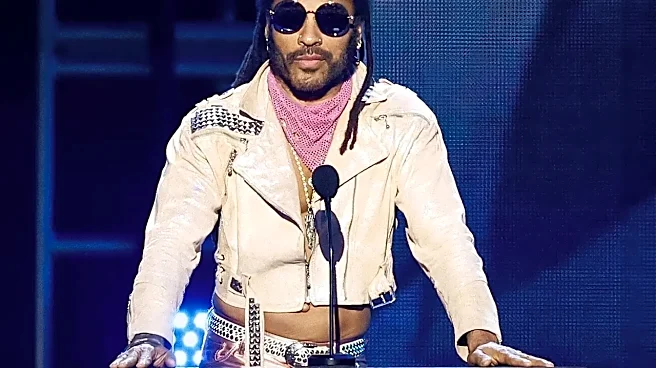
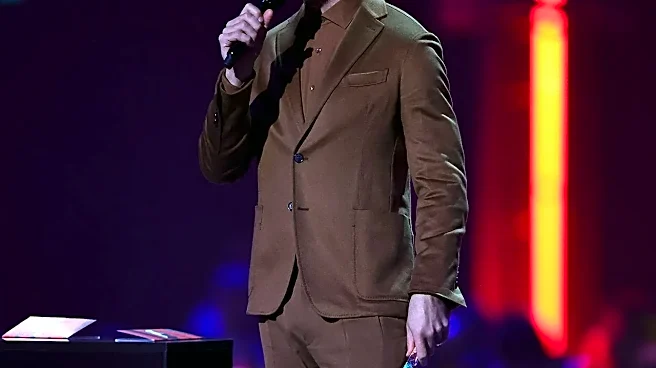
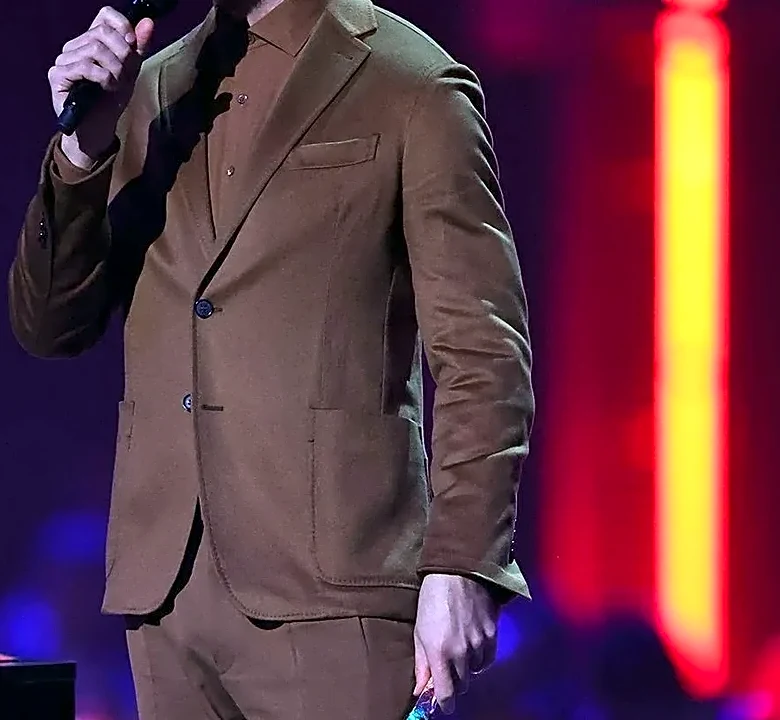
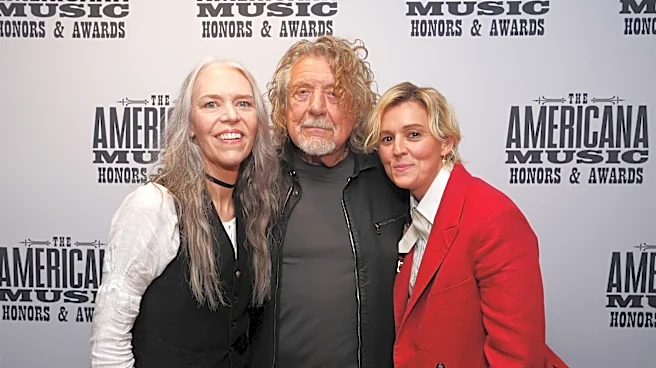
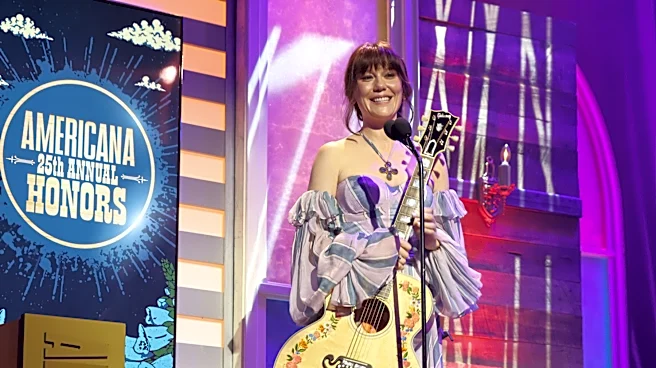
jacket over a vintage t-shirt, perfectly worn-in denim paired with a single piece of striking silver jewelry, or a lacy, bohemian dress under a battered leather jacket. It’s a deliberate blend of high and low, special and ordinary. Recent winners and performers like Brandi Carlile, Molly Tuttle, and Tyler Childers exemplify this aesthetic. They might sport a bespoke suit, but the fabric will have a rustic texture, or they'll pair it not with dress shoes, but with scuffed boots. This isn't about being underdressed; it's a carefully curated look that says more about the artist's identity than any luxury brand ever could.
A Rebellion Against Polish
The Americana style is, in many ways, a direct response to the polished, radio-friendly aesthetics of both mainstream pop and modern country. While other awards shows often feel like a competition for who can look the most expensive, the Americana scene prizes a different currency: authenticity. The music itself is a blend of folk, country, blues, and rock 'n' roll—genres built on stories of real life, struggle, and soul. The fashion naturally follows suit. A pristine, flawlessly styled look would feel disconnected from a song about hardship or a gravelly vocal performance. The lived-in quality of the clothing—a faded pair of jeans, a soft, old hat—serves as a visual extension of the music’s raw, unfiltered honesty. It’s a rejection of the slick packaging that defines so much of the modern music industry.
Stagewear With a Story
The "stagewear" half of the equation is just as important, but it operates under different rules. Instead of borrowing a gown from a global fashion house, an Americana artist is more likely to collaborate with a small-scale designer, often someone local to Nashville or their home state, who specializes in custom chain-stitching, leatherwork, or hat-making. These pieces are theatrical—think of the rhinestone-studded suits worn by past honorees like Chris Isaak or the intricate beadwork seen on artists like Kelsey Waldon—but they feel personal and earned, not borrowed. Each element, whether it's a hand-tooled belt or a jacket with lyrical embroidery, is chosen to enhance the artist’s persona and narrative. The goal isn't just to look good on stage, but to wear something that feels like part of the performance itself.
The High-Low Formula in Practice
So how does the formula work? It’s a balancing act. The "everyday" element grounds the look in relatability. This can be a favorite pair of jeans, a simple cotton t-shirt, or workwear-inspired boots. These are the clothes of the people the songs are about. The "stagewear" element elevates it, making it clear this is a performance, an occasion. This might be a velvet blazer, a sequined top, a dramatically shaped hat, or a piece of custom jewelry. Combining the two creates a style that is both accessible and aspirational. It suggests that the person on stage is an artist, but they haven't forgotten where they came from. It’s a visual representation of the Americana ethos: music rooted in tradition but performed for a modern audience.