






The End of the Hourglass
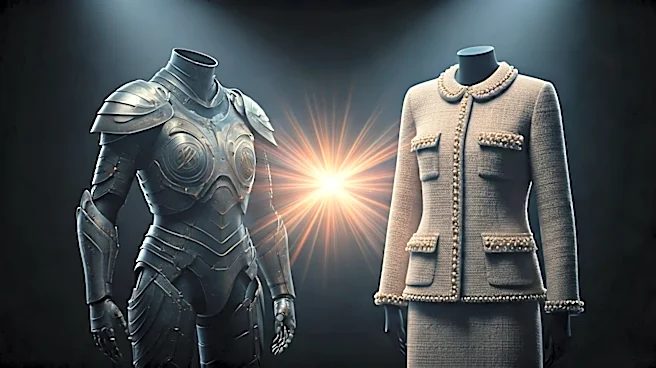
To understand the Mod revolution, you first have to picture what came before it. The 1950s were defined by a mature, structured femininity. Christian Dior's “New Look” had cast a long shadow, emphasizing wasp-waists, full skirts, and a highly constructed
hourglass silhouette. It was fashion for grown-ups, designed to project elegance, domesticity, and post-war conformity. Young women were expected to dress like their mothers, in girdles, stockings, and prim twin-sets. Style was dictated from the top down by Parisian couturiers, and rebellion was subtle, if it existed at all. Mod, short for “Modernist,” was a full-scale rejection of this world. Born in the boutiques of London’s Carnaby Street and King's Road, it was the first major fashion movement created by and for the young. It traded restrictive undergarments for freedom of movement and swapped demure pastels for a palette of electric, attention-grabbing color. It wasn’t just a new set of clothes; it was a new attitude.
Anatomy of a Youthquake
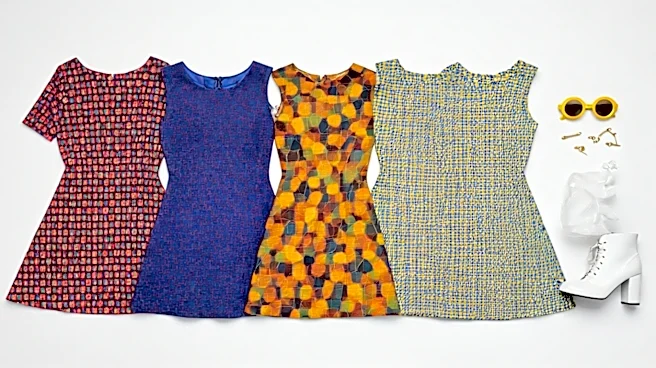
The Mod look was a head-to-toe transformation. For women, the defining garment was the miniskirt. Popularized by designer Mary Quant, its shockingly high hemline was a declaration of independence. Silhouettes became boyish and geometric: A-line “shift” dresses that skimmed the body rather than clinging to it, eliminating the waist entirely. Trousers, once relegated to casual or workwear, became a chic staple for women. Patterns were loud and unapologetic. Op-art geometrics, bold stripes, and color-blocking turned the body into a walking canvas. Materials were futuristic and democratic—PVC, vinyl, and other plastics were used for everything from raincoats to handbags, signaling a break from the stuffy luxury of old. Men’s fashion was equally transformed. The stuffy gray flannel suit was replaced by slim-fitting, three-button Italian-style suits, turtlenecks instead of ties, and the iconic desert boot or Chelsea boot. It was sharp, clean, and international.
The British Invasion Hits the Closet
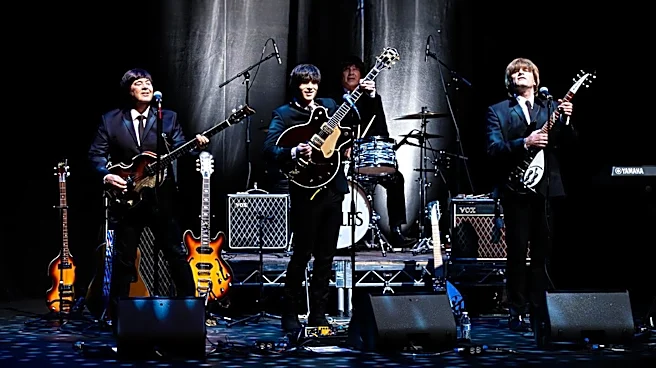
While Mod was born in Britain, it landed in America with the force of a pop music chorus. The “British Invasion,” led by bands like The Beatles and The Who, wasn't just a musical phenomenon; it was a cultural package deal. When The Beatles appeared on The Ed Sullivan Show in 1964, their mop-top haircuts and tailored, collarless suits were as influential as their music. American teenagers didn't just want to sound like their favorite bands; they wanted to look like them. This cultural transfer was accelerated by a new kind of celebrity: the model. Figures like Twiggy, with her wide eyes, cropped hair, and rail-thin frame, became the face of the movement. She was the anti-Marilyn Monroe, a gamine figure who made the boyish, leggy Mod look an international aspiration. American department stores scrambled to import the “London Look,” and U.S. designers like Betsey Johnson began creating their own playful, youth-centric versions for the burgeoning teen market.
A Legacy of Liberation
The influence of Mod went far beyond hemlines. It was the first time that youth culture drove the fashion market, a dynamic that defines the industry to this day. It championed a unisex ideal, where men and women borrowed from each other’s closets, blurring traditional gender lines in style. Most importantly, it tied clothing directly to social change. The miniskirt wasn’t just a fashion statement; for many young women, it was a symbol of sexual liberation and a rejection of outdated expectations, arriving in perfect sync with the rise of second-wave feminism and the availability of the birth control pill. The space-age optimism of designers like André Courrèges and Pierre Cardin, with their white vinyl boots and helmet-like hats, reflected a society captivated by the race to the moon. Fashion was no longer about looking back to a golden age of elegance; it was about rocketing forward into an unknown, exciting future.