


The Art of the 'Mystery Box'
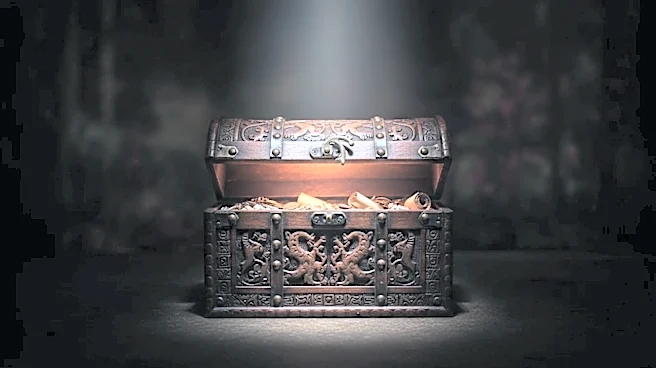
It started with shows like Lost, which perfected the art of the “mystery box.” The concept, popularized by creator J.J. Abrams, is simple: present a story as a sealed box full of secrets. What’s in the box is less important than the promise of what could
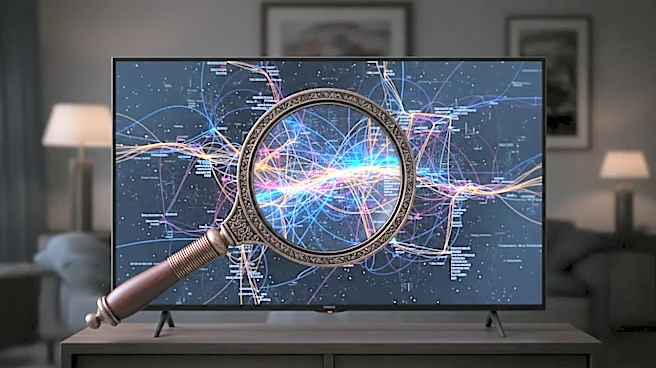
be. These shows are intentionally built with narrative gaps, cryptic symbols, and unanswered questions that transform passive viewing into an active puzzle-solving exercise. They drop clues—a specific book on a shelf, a recurring number, a strange line of dialogue—that feel too specific to be accidental. This technique doesn't just tell a story; it issues an invitation. The narrative becomes a collaborative game between the creators and the audience, with each episode providing more pieces for the grand, collective puzzle. Shows like Westworld and Severance have since become masters of this, engineering their plots with such precision that every frame feels like it could hold a key.
Writing for the Second Screen
This isn't just about clever plotting; it’s a fundamental shift in how stories are written for the digital age. Showrunners know that viewers are watching with a second screen in hand. Fan engagement on platforms like Reddit, Tumblr, and X (formerly Twitter) isn't just a byproduct of a popular show; it’s a powerful marketing tool and a key part of the modern viewing experience. Writers intentionally create ambiguous moments or layered details designed to be dissected online. The conversations that happen between episodes—the collaborative analysis of clues, the heated debates over character motives—are now part of the show’s extended universe. This creates a powerful feedback loop: fans feel rewarded for their deep engagement when a theory proves correct, and the constant online buzz keeps the show at the forefront of the cultural conversation.
A Double-Edged Sword
This symbiotic relationship, however, can get complicated. While creators often appreciate the passionate engagement, they also face immense pressure. What happens when the audience, through sheer collective brainpower, correctly guesses a major twist halfway through a season? Some showrunners have admitted to altering storylines to avoid being predictable after fans figured out their plans. The Westworld team, for instance, acknowledged that Reddit users correctly identified a major season two twist, prompting them to adjust. This can lead to a creative cat-and-mouse game that sometimes results in less satisfying, more convoluted storytelling. The goal shifts from telling the best story to simply outsmarting the most dedicated fans, which can be a dangerous game to play.
The Viewer Becomes the Co-Creator
Ultimately, this phenomenon has blurred the line between viewer and creator. Fan theories are no longer just idle speculation; they are a form of participatory culture. Audiences aren't just consuming a story; they are actively contributing to its meaning and, in some cases, its direction. There's a psychological thrill to it—a sense of belonging to a community and the satisfaction of cracking a code. But it also risks creating a culture where fans become more attached to their own theories than the story being told. When the show's resolution doesn't match a popular fan-canon, the reaction can be disappointment or even anger, with accusations of “bad writing.” It raises a fascinating question: at what point does our love for solving the puzzle overshadow our ability to simply enjoy the magic trick?