







The Anatomy of a Superteam
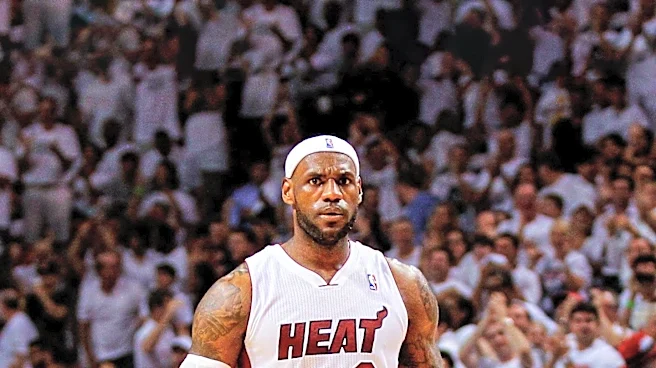
The modern superteam is an act of deliberate construction. It’s born in boardrooms, text messages, and back-channel conversations. Think of the Miami Heat in 2010, when LeBron James and Chris Bosh decided to join Dwyane Wade, forming the iconic “Big Three.”
Or when Kevin Durant, already an MVP, chose to sign with the 73-win Golden State Warriors in 2016. These teams aren’t happy accidents; they are engineered for dominance. The logic is simple: amass an overwhelming amount of top-tier talent, sacrificing depth and future assets for immediate championship contention. The architect is the general manager, and the building blocks are free agents and trade packages. It’s a high-risk, high-reward strategy that reshapes a league’s competitive landscape overnight. The fan reaction is equally predictable: a mix of awe from the home crowd and league-wide resentment from everyone else. The goal is not just to win, but to build a dynasty on an accelerated timeline.
The Magic of a Golden Generation
A “Golden Generation,” on the other hand, is an act of fortune. You can’t build one; you can only hope one arrives. It happens when a nation, often by sheer coincidence, produces a cluster of world-class players in the same age group. They grow up together in youth academies, represent their country at junior levels, and then emerge onto the senior stage as a ready-made core of elite talent. Belgium’s team of the 2010s is the textbook example. Suddenly, a country of 11 million people had Kevin De Bruyne, Eden Hazard, Romelu Lukaku, Thibaut Courtois, and Vincent Kompany all in their prime. Similarly, Portugal in the early 2000s boasted Luís Figo, Rui Costa, and a young Cristiano Ronaldo. These aren’t players signed from other countries; they are a nation’s birthright. This organic origin makes them feel more fated and, in some ways, more precious than a manufactured superteam.
A Shared Burden of Expectation
Here is where the two concepts converge: the crushing weight of expectation. Whether a team is built through free agency or blessed by demographic luck, the result is the same. A short, unforgiving window opens in which anything less than a major trophy—a World Cup, a European Championship, an NBA title—is branded a monumental failure. The narrative becomes “championship or bust.” For both, the clock is ticking. Players age, contracts expire, and injuries take their toll. For a Golden Generation, the pressure is arguably more intense. The World Cup and Euros only happen every four years, meaning a team might only get two or three legitimate shots at glory. England’s so-called Golden Generation of the 2000s, featuring David Beckham, Steven Gerrard, Frank Lampard, and Wayne Rooney, famously buckled under this pressure, never advancing past a quarterfinal. Their collective failure became a national trauma, a story of squandered potential.
Built vs. Grown: The Critical Flaw
The fundamental difference between these teams also reveals why Golden Generations are often more tragic. An NBA superteam that isn't working can be retooled. A player can be traded, a new role player signed. The front office has levers to pull. A Golden Generation has no such luxury. You can’t trade a midfielder because his style clashes with your star striker’s. The pool of players is fixed by birthright. If the chemistry is off, if the tactical system doesn’t maximize the group’s talent, or if two of your best players occupy the same position (the Lampard-Gerrard dilemma), there’s no easy fix. The manager is stuck with the hand they were dealt. This inflexibility means that small flaws—a lack of a world-class left-back, a clash of egos—can become fatal, derailing a once-in-a-lifetime opportunity.