



The Friction Problem
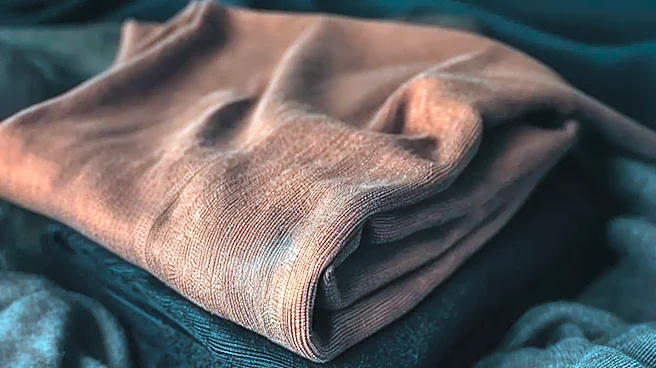
You invest in a warm winter coat to protect you from the elements, but its effectiveness often depends on layering. A thermal shirt, a wool sweater, and then the coat—it’s a classic cold-weather combination. Yet, this system often fails when the coat's
interior grips the fabric of your mid-layer. This creates a frustrating tug-of-war every time you put on your jacket, causing sleeves to bunch up at your biceps and the back of your sweater to ride up. The result is not just discomfort; restricted movement in the arms and shoulders makes everything from driving to carrying groceries a chore. This bunching and pulling is almost always due to the texture of the coat's lining.
The Smooth Operators: Linings That Glide
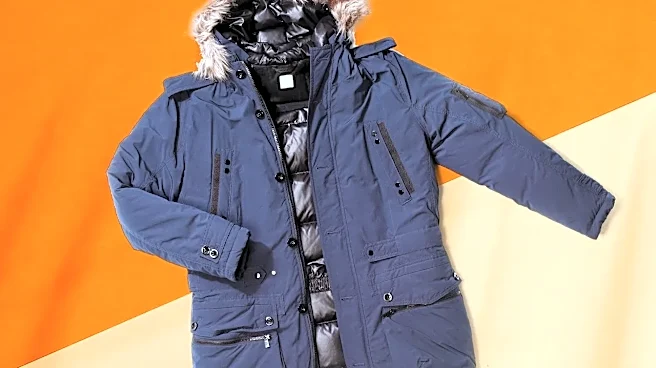
For effortless layering, the key is a smooth, low-friction lining. These materials act like a slide, allowing the fabric of your sweater or fleece to glide into place without catching. The best options are typically synthetic or semi-synthetic fabrics with a slick surface. Look for linings made of polyester taffeta, which is durable, affordable, and common in many quality coats. For a more luxurious feel, materials like satin, cupro (also known as Bemberg), and viscose offer a silky texture that's both comfortable and highly functional. Cupro, a regenerated cellulose fiber derived from cotton, is particularly prized in high-end suits and coats for being breathable, durable, and exceptionally smooth. These 'smooth operator' linings ensure your sleeves stay put and your layers lie flat, providing warmth without the struggle.
The Cozy Traps: Linings That Grip
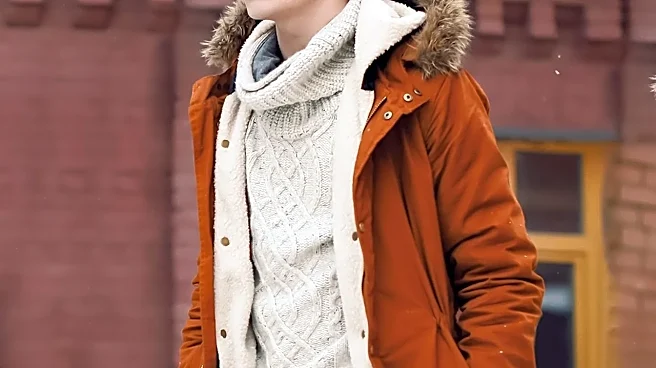
On the other side of the spectrum are linings chosen for their cozy, plush feel. Materials like fleece, flannel, and sherpa feel wonderfully soft and add a significant layer of insulation. However, their textured, high-pile surfaces are the primary cause of the layering logjam. These materials are designed to trap air for warmth, but they also grip the fibers of other textured garments, like wool or fleece sweaters. A sherpa-lined coat might be incredibly warm, but it's often best worn over a simple long-sleeved tee. If you try to layer it over a thick knit, you'll likely experience significant bunching and restricted movement. Some manufacturers offer a hybrid solution: a fleece-lined body for core warmth and smooth taffeta-lined sleeves for easier layering.
It’s Not Just the Lining
While a slick lining is the most important factor, the overall cut of the coat also plays a crucial role. A coat with high, tight armholes or narrow shoulders will make layering difficult regardless of the lining material. When shopping, look for coats that offer ample room across the back and shoulders. Garment construction matters, as a poorly cut lining can twist and bunch even if it's made of a slippery material. Quality coats have linings that are properly anchored at the cuffs and hem, which prevents them from shifting or riding up over time. A well-designed coat accounts for the space needed for underlayers, ensuring you can move your arms freely.
How to Shop Smarter
The single best way to test a coat's layering potential is to try it on in the store while wearing the kind of mid-layer you'd typically use in winter. Don't just stand there; move around. Reach your arms forward as if you're driving, cross them in front of your chest, and raise them overhead. Do your sleeves immediately retreat toward your elbows? Do you feel a pull across your back? Pay attention to how the coat glides on. If you have to fight to get your arms through, it’s a sign that the lining is creating too much friction. Check the tag for the lining's material. If you see 'polyester taffeta,' 'cupro,' or 'viscose,' you're likely in good shape. If it says 'fleece' or 'sherpa' throughout, consider it a single-layer coat, not a layering piece.