

A Paradox on the Runway
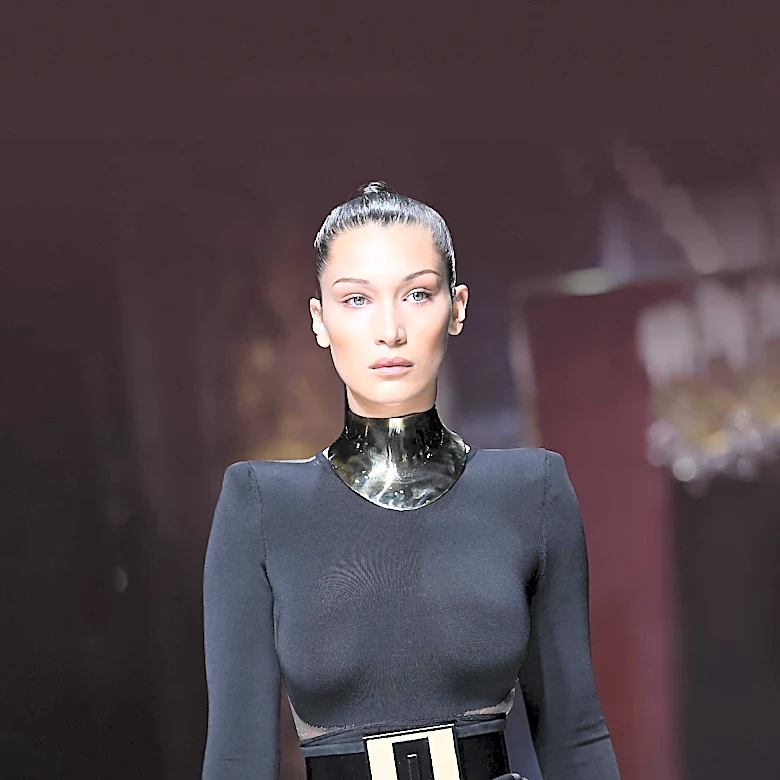
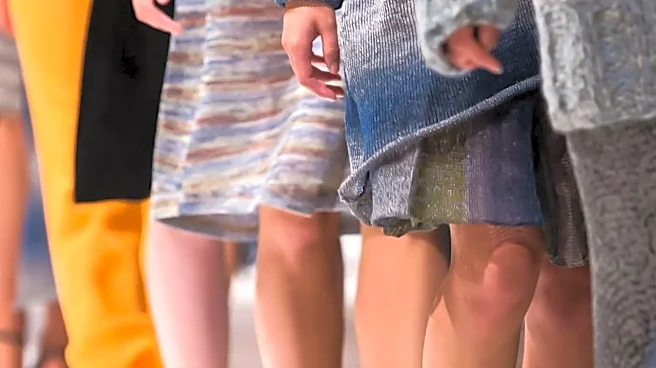
Copenhagen Fashion Week, long a barometer of cool, has been showcasing a fascinating paradox. Designers are taking the historically tough, functional shapes of workwear—think boiler suits, multi-pocket vests, and wide-leg trousers—and rendering them in fabrics
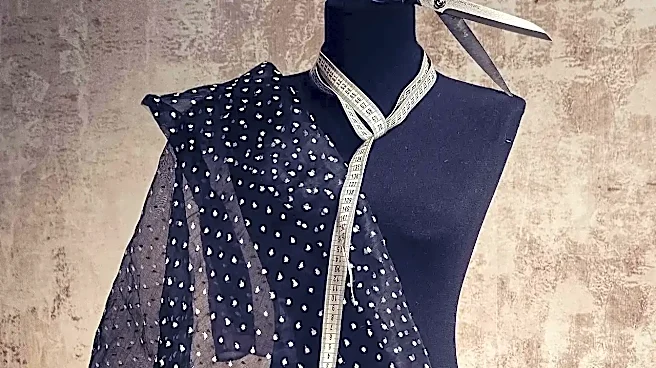
that are anything but rugged. Sheer textiles, delicate tulles, and silks are being used to create garments that have the structure of utility wear but the soul of something far more fragile. This isn't about practicality in the traditional sense; you wouldn't wear a sheer organza jacket for manual labor. Instead, it's a deliberate aesthetic choice that re-examines what workwear means in the 21st century. The result is a reprogramming of function, where practicality and luxury are put on equal footing.
Redefining 'Work' and 'Uniform'
The trend speaks volumes about the evolution of work itself. Classic workwear was born from the needs of industrial laborers, prioritizing durability and protection above all else. But for many today, “work” is no longer confined to a factory or a field; it’s a fluid concept that blends digital, creative, and social spaces. This new uniform reflects that shift. It borrows the sense of purpose and authority from traditional workwear silhouettes but softens them for a modern context. It suggests a professional life that values creativity and personal expression just as much as productivity, creating a wardrobe that is adaptable and versatile.
Softening a Masculine Archetype
At its core, this trend is a conversation about gender and power. Workwear has traditionally been coded as masculine, associated with strength, utility, and physical labor. By intentionally crafting these shapes from materials often seen as feminine—like lace, sheer fabrics, and fine silks—designers are subverting expectations. The juxtaposition creates a new kind of power dressing. It’s not about adopting a masculine uniform to be taken seriously but about blending strength with softness, structure with transparency. It suggests that vulnerability can be a form of power, creating a look that is both confident and approachable, strong and delicate.
The Evolution of Scandi Style
For years, Scandinavian design was synonymous with a stark, clean minimalism. This trend marks a significant evolution. While still rooted in functionality and clean lines, designers like Cecilie Bahnsen have championed a more romantic, voluminous aesthetic, often using fabrics like tulle and other lightweight materials to create architectural yet ethereal shapes. This new wave of Copenhagen design embraces texture, layering, and a certain playfulness. It's a quiet rebellion against their own minimalist legacy, proving that Scandi style is not a monolithic concept but a constantly evolving conversation between practicality and poetry. It’s a move that adds a layer of artistry and emotion to the city’s famously practical and cool aesthetic.