







The Universal Misery of Holiday Travel
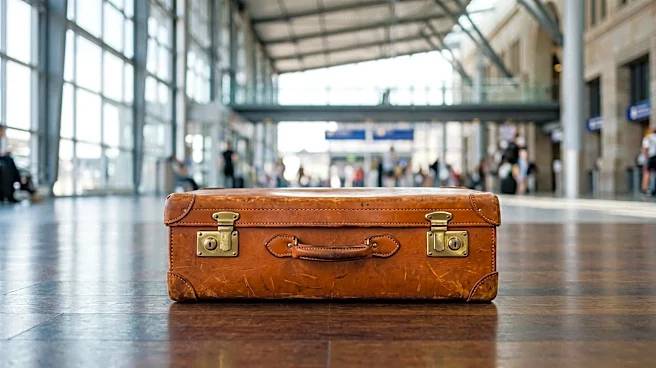
At its core, the film is a perfect encapsulation of the sheer, unadulterated chaos of trying to get home for Thanksgiving. Steve Martin’s Neal Page is every one of us, a man whose simple goal—get home to Chicago—is thwarted at every turn. His journey
through canceled flights, delayed trains, and a rental car that isn't there is painfully relatable. The film’s most famous scene, Neal’s F-bomb-laden tirade at a Marathon Car Rental counter, is more than just a legendary comedic outburst; it's a primal scream for every traveler who has ever been met with a cheerful, unhelpful smile in the face of logistical hell. Hughes, who was inspired by his own disastrous travel experience, taps into a universal frustration that makes the humor timeless. We laugh because we’ve all felt that rising tide of desperation.
Quotes That Became a National Shorthand
The movie's script is a goldmine of lines that have burrowed their way into the American lexicon. When Del Griffith wakes Neal up and they realize they’ve been snuggling, Neal’s horrified discovery, 'THOSE AREN'T PILLOWS!', is a moment of pure comedic genius. Del's folksy, if grim, assessment of their chances of getting a flight—'We'd have more luck playing pick-up sticks with our butt-cheeks'—is another fan favorite. And who can forget the terrified couple screaming, 'You're going the wrong way!' as Del confidently cruises down the wrong side of the highway? These quotes are more than just funny; they are the perfect, repeatable punchlines for our own travel nightmares and everyday frustrations.
John Candy’s Masterclass in Humanity
While Steve Martin’s explosive frustration is the engine of the comedy, John Candy’s Del Griffith is its heart and soul. As the affable, endlessly chatty shower curtain ring salesman, Del could have easily been a one-note annoyance. But Candy gives him a profound depth. His monologue in their shared motel room, after Neal unloads on him, is a turning point. 'I like me. My wife likes me,' Del says, a simple defense that reveals a core of self-respect beneath the bumbling exterior. Steve Martin himself noted that Candy had a 'little broken heart in him', and that vulnerability is what makes Del so beloved. The final reveal—that Del's wife has passed away and he is all alone—re-contextualizes his entire character, transforming him from an obstacle into a deeply lonely man seeking connection.
An Ode to Unlikely Friendship
Beyond the slapstick and travel woes, 'Planes, Trains and Automobiles' is a story about empathy. It’s a classic odd-couple pairing: Neal, the uptight cynic, and Del, the open-hearted extrovert. Their forced proximity on a disastrous three-day journey breaks down Neal's carefully constructed walls. He starts the film wanting nothing more than to be left alone, but ends it by inviting his new companion home for Thanksgiving dinner. This evolution from annoyance to genuine friendship captures the true spirit of the holiday season—finding connection and gratitude in unexpected places. The film suggests that the journey, with all its frustrations and detours, is just as important as the destination, especially when it leads to a moment of real human understanding.