




Crossing Over to the Mainstream
Soccer's popularity is surging in the United States, but it still competes for attention with the NFL, NBA, and MLB—leagues deeply woven into the nation's cultural fabric. For many Americans, soccer remains a global spectacle they tune into every four
years rather than a weekly obsession. The challenge for 2026 isn't just to host a tournament, but to make it feel like an American event. This is where celebrity athletes from more established U.S. sports come in. Imagine a beloved NFL quarterback or an iconic basketball star talking about the World Cup. Their endorsement acts as a bridge, signaling to their massive fanbases that this event is worth their attention. They offer a trusted voice in a saturated sports landscape, capable of cutting through the noise and reaching casual viewers who might otherwise ignore the tournament. This strategy isn't about replacing soccer stars but supplementing them, using familiar faces to invite a broader audience to the party.
Speaking the Language of American Fandom
American sports culture is built on specific narratives: rivalries, statistical greatness, playoff drama, and legacy-defining moments. While soccer has all of these, the language used to describe them can feel foreign. A legendary NBA forward can frame a soccer match in terms of athleticism, competitive fire, and clutch performance—concepts that resonate deeply with U.S. sports fans. According to a Harris Poll, 61% of U.S. soccer fans say individual athletes bring the sport to life for them. By using personalities who already command respect for their athletic prowess, marketers can translate the drama of the World Cup into a language everyone understands. They can articulate why a group-stage match matters or why a particular player's performance is legendary, making the tournament more accessible and compelling to those who don't follow the sport year-round.
The Business of Belief
This is about more than just cultural translation; it's a multi-billion dollar business decision. The 2026 World Cup is projected to generate over $17 billion in GDP for the U.S. alone. To maximize ticket sales, merchandise, and especially media viewership, FIFA and its partners need to capture the attention of the entire country, not just the existing soccer fanbase. Athlete influencers provide brands with an authentic way to connect with consumers. When a high-profile athlete with a powerful personal brand lends their credibility to the World Cup, they're not just offering an opinion; they're providing a stamp of approval that sponsors can leverage. This is particularly crucial in a media environment where advertising during live soccer matches is structurally different and more limited than in American sports. The buzz generated by a celebrity ambassador in pre-game shows, social media campaigns, and related content becomes a primary vehicle for marketing.
A Proven Playbook
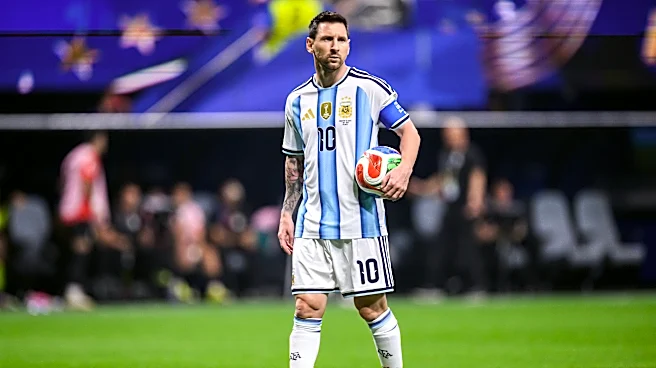
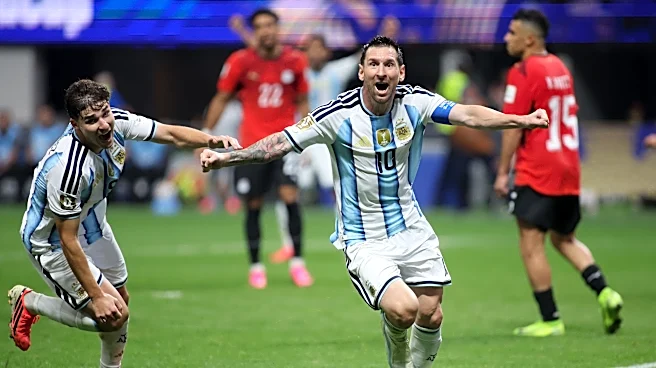
Using celebrity figures to boost a sport's profile is a classic strategy. The NBA's global expansion was fueled by promoting its biggest stars, turning players into worldwide icons. Even within soccer, David Beckham's move to the LA Galaxy in 2007 and Lionel Messi's arrival at Inter Miami in 2023 were pivotal moments that drew mainstream American attention to Major League Soccer. Similarly, brands have long used a layered approach, blending entertainers and athletes from different fields to maximize reach. For the 2026 World Cup, the logic is the same: use credible, beloved figures to build a bridge to a wider audience. This isn't just about getting eyeballs on a game; it's about embedding the event into popular culture, making it a topic of conversation everywhere from sports bars to morning talk shows. The involvement of non-soccer celebrities transforms the tournament from a niche sports event into a nationwide cultural moment.