







The Peril of the Perfect Copy
There's a reason the vibrant, skin-tight spandex of comic book panels from the 1960s often gets a redesign for the silver screen. What works in a 2D drawing can look jarringly out of place on a living, breathing actor. This is the central problem designers
face. The criticism that a costume "looks like cosplay" often means it appears too clean, too flimsy, or too artificial for the world of the film. A direct replica can shatter the audience's suspension of disbelief. It lacks the texture, weight, and history that a real garment would have. Think of the early X-Men films, which famously swapped the team's bright yellow and blue source material for tactical black leather, a move intended to ground the extraordinary in a more believable, post-Matrix reality. The fear was that a perfect comic-book copy would look silly, not heroic. The goal isn't just to replicate an image; it's to create a piece of clothing that tells a story about the character and their environment.
Translation, Not Transcription
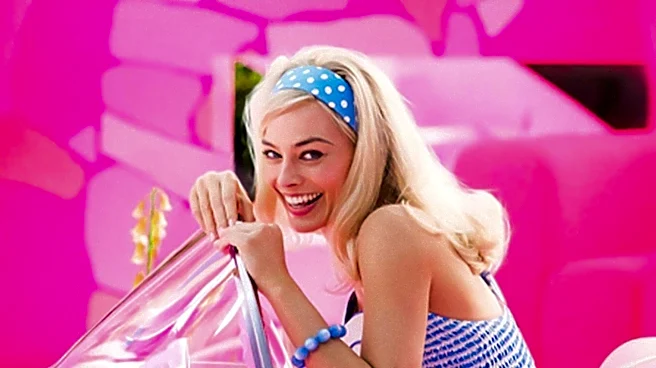
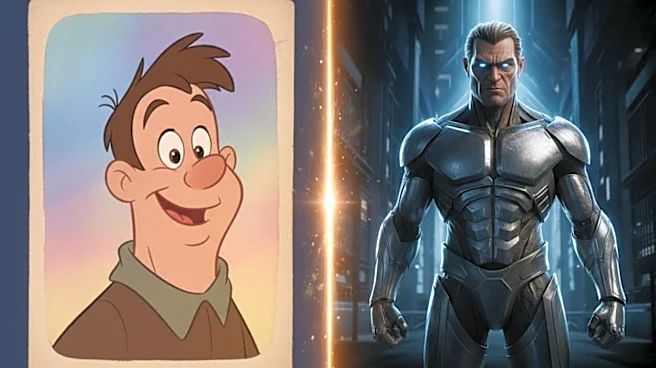
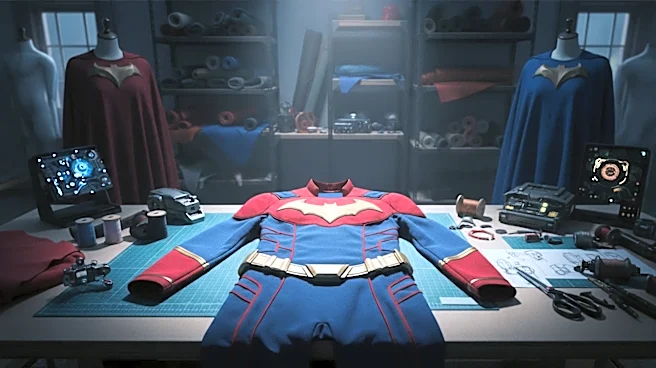
The most successful costume designers act as translators, not transcribers. They dive deep into the source material to pull out its core essence and then reinterpret it for a new medium. Ruth E. Carter’s Oscar-winning work on Black Panther is a masterclass in this approach. To create the Black Panther suit, she didn’t just look at the comics; she infused the design with a texture inspired by sacred African geometry, giving the suit a richness and history that rooted T'Challa not just as a superhero, but as an African king. The final product felt both futuristic and deeply traditional. Similarly, Jacqueline Durran’s designs for Barbie intentionally played with this line. While some outfits were near-perfect replicas of classic Mattel dolls—Easter eggs for the fans—others were adapted. A yellow dress Barbie wears is a nod to a popular doll, but its softer cut was designed to signify her transition into becoming human, a subtle storytelling choice a doll's plastic dress couldn't make. In both cases, the designers understood the 'why' behind the look, not just the 'what.'
Grounding in Reality and Narrative
To make the fantastical feel tangible, designers add layers of realism. This can be through material choices that suggest function or through signs of wear-and-tear that hint at a backstory. The evolution of Captain America’s suit in the Marvel Cinematic Universe shows this principle in action. It begins as a flashy, flimsy USO stage costume and evolves into durable, tactical battle armor. Each version tells us where Steve Rogers is in his journey. The suit for Man of Steel was a complex feat of engineering, involving a sculpted chrome muscle suit under a 3D-printed mesh to create a look that was both otherworldly and substantial. Even when a design is deliberately faithful, it's often the context and performance that sell it. For Barbie, Durran noted that the logic for the costumes came from outside the character; Barbie is always perfectly dressed for her task, whether it's going to the beach or a disco party. The clothes are part of the doll-like world-building, making their eventual clash with the real world all the more effective.
When the Icon Is a Real Person
The challenge shifts when the source material isn't a comic book but a historical figure. Here, the audience's collective memory is the iconography that must be honored. Designers for biopics must evoke a famous person's style without creating a caricature. The goal is to capture a feeling, not create a wax figure. The costumes must serve the narrative and the actor's performance, allowing them to embody the character rather than be swallowed by the clothes. It requires an intense level of research to understand not just what a person wore, but why. Shows like The Crown are praised for their meticulous historical accuracy, which helps immerse the viewer in a specific time and place. In contrast, a project like Bridgerton takes creative liberties to build a unique, stylized world, but its choices are still intentional. Whether through strict adherence or creative reinterpretation, the costume supports the story.