




The Two Wimbledons: Player Whites vs. Spectator Style
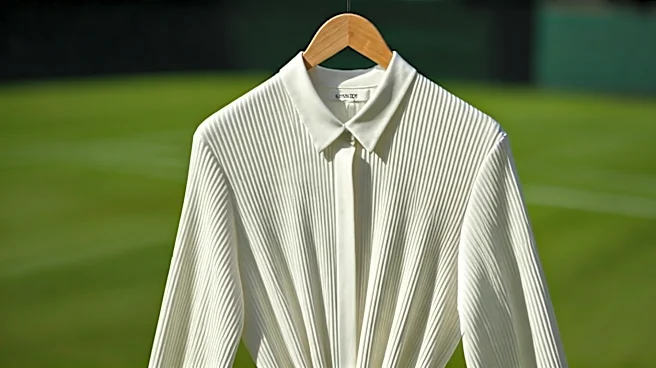
First, let's clear up a common misconception. The famous, intensely strict all-white rule applies only to the players. Rooted in the Victorian era's desire to hide unseemly sweat stains, this rule dictates that even cream or off-white is a violation.
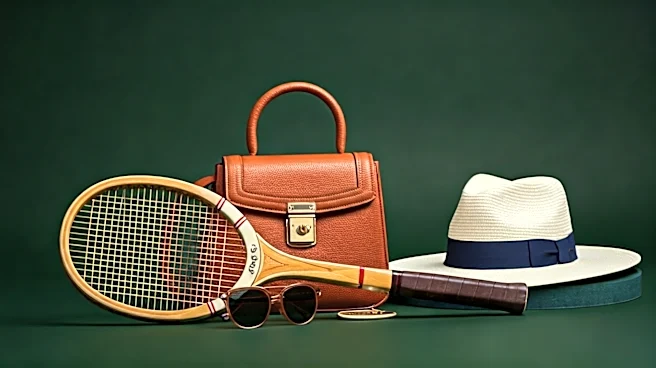
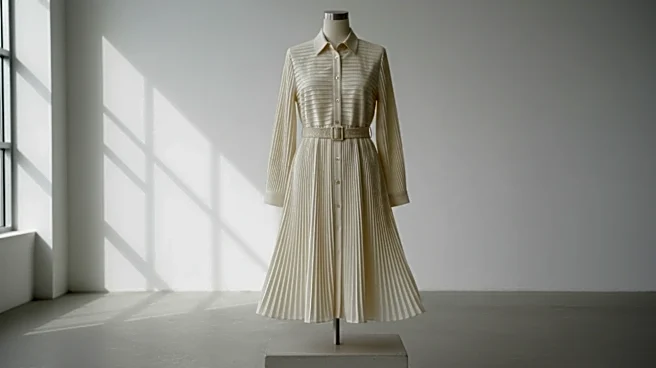
For the thousands of spectators, however, the official dress code is famously vague: "smart casual." Yet, this simple phrase belies a world of sartorial pressure. While you won't be turned away for wearing jeans and clean sneakers in the general grounds, arriving at Centre Court or any hospitality suite requires a much more polished look. Torn jeans, sports shorts, and running vests are explicitly forbidden, nudging attendees toward a more refined presentation.
The Art of 'Sprezzatura': Effortless Is Hard Work
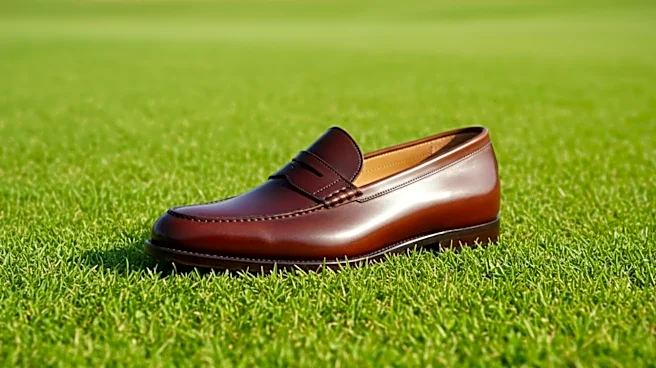
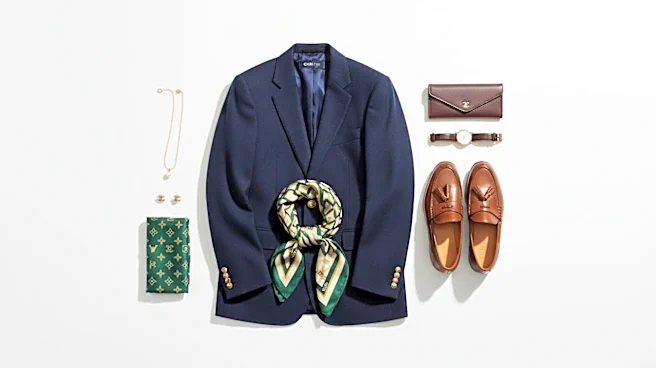
This is where the "grass-court loafer" comes in, and it's where the misreading happens. The look isn't about being lazy; it's about mastering 'sprezzatura'. Coined in the 16th century, this Italian concept is the art of making difficult things look easy, of concealing the effort behind a performance of nonchalance. In fashion, it means looking impeccably stylish as if by accident. That rumpled linen blazer? It's from a luxury brand, designed to wrinkle perfectly. Those sockless loafers? They're hand-stitched, made of supple leather, and require a certain confidence to pull off. It's a style built on knowing the rules of dressing perfectly, only to casually break one or two for effect—a deliberately unbuttoned cuff or a slightly askew tie. This isn't laziness; it's a deeply studied and carefully executed performance of ease.
Quiet Luxury on Henman Hill
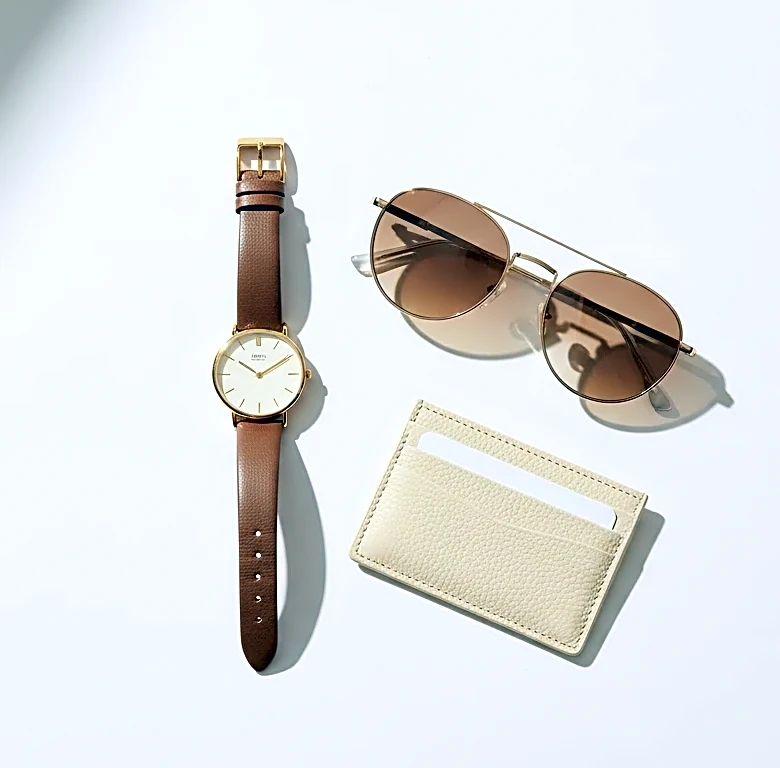
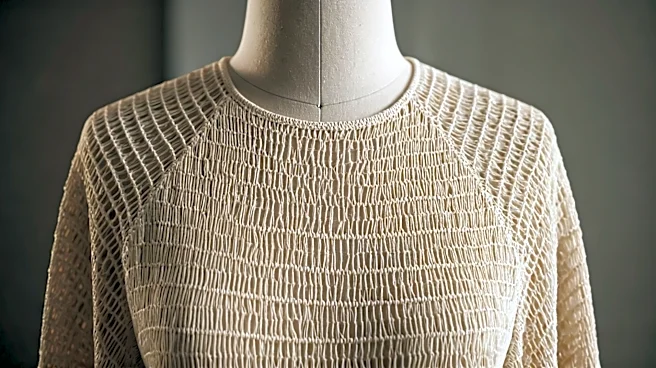
The style at Wimbledon is a masterclass in the ongoing 'quiet luxury' or 'stealth wealth' trend. It's an aesthetic that rejects loud logos and flashy branding in favor of impeccable tailoring, high-quality fabrics, and timeless silhouettes. The goal isn't to shout about your wealth with a Gucci belt, but to whisper it with the perfect cut of a suit or the buttery texture of a cashmere sweater draped over the shoulders. It’s a language of exclusivity. The value of the outfit isn't immediately obvious to everyone, but it is clear to those 'in the know'. This aligns perfectly with the atmosphere of Wimbledon, an event steeped in tradition and aristocratic heritage. Brands like Ralph Lauren, the official outfitter since 2006, have built an empire on this very aesthetic, blending classic American prep with English sporting tradition.
The Royal Box: Where the Code Becomes Law
Nowhere is the dress code more exacting than in the Royal Box. Here, the unwritten rules become mandatory. Men are required to wear a suit and tie, a rule so strict that Formula One champion Lewis Hamilton was once denied entry for not meeting the standard. For women, the expectation is equally formal, though hats are discouraged so as not to block the view of others. The style seen in the Royal Box—from royalty like the Princess of Wales to A-list celebrities like Sienna Miller and David Beckham—sets the tone for the entire tournament. Their blend of high-fashion tailoring and elegant summer dresses becomes the benchmark, influencing what thousands of other spectators aspire to wear, reinforcing the idea that at Wimbledon, how you watch is just as important as what you watch.