
The Scare Factor: But Make It Art
Let’s get this out of the way: a house that isn’t scary has failed. But there’s a world of difference between a cheap boo and earned terror. A great scare is a perfectly orchestrated moment of tension and release. It’s the hulking monster you see stalking
you from behind a grate moments before its twin bursts from a hidden panel at your side. It’s the slow, creeping dread of a room where the silence is more frightening than the noise. We’re not just looking for a high body count of startles; we’re grading on the quality of the execution. A house that relies solely on actors banging on walls gets a C-minus. A house that makes your own shadow feel like a threat is playing on a different level entirely.
Immersive World-Building: The Environmental Story
The very best houses transport you the second you cross the threshold. It’s about more than just a cool façade. Does the air temperature drop? Does the smell of damp earth or cloying perfume hang in the air? The detail in the set dressing, the lighting that guides (or deceives) your eye, and the soundscape that surrounds you are the building blocks of immersion. Think of it as the difference between walking through a set and stepping into a world. When a house makes you forget you're in a theme park soundstage and has you genuinely wondering what’s real, it has succeeded in its world-building. These environments should tell a story on their own, even without a single actor present.
Narrative Cohesion: Does the Story Actually Work?
A collection of scary things in a box is a start, but a truly elite house has a clear, legible story. This is especially critical for original concepts that aren't based on a known movie or show. The narrative needs a beginning, a middle, and a climax. We should understand the stakes, even if they’re just communicated visually. Are we escaping a sacrificial cult? Are we reliving a ghost’s final moments? A house that successfully pulls this off makes the journey feel purposeful. A house that feels like a random assortment of spooky set pieces—a creepy doll room, then a morgue, then a chainsaw alley—lacks the narrative glue that elevates the experience from a funhouse to a piece of interactive theater.
IP Execution vs. Originality: Two Sides of the Same Coin
Judging a house based on a huge Intellectual Property (IP) like "Stranger Things" requires a different lens than an original concept. For an IP house, the goal is fidelity and expansion. Does it feel like you’ve walked onto the screen? Does it capture the specific tone of the source material while still delivering unique scares? The best IP houses use our familiarity against us. For original houses, the measure is pure creativity. We're looking for a concept so compelling and well-realized that it feels like it could be its own movie. Did the house introduce us to a new icon or a piece of lore we’ll be talking about for years? Both are valid paths to greatness, but they must be judged on their own terms.
The 'Wow' Moment: The Unforgettable Scene
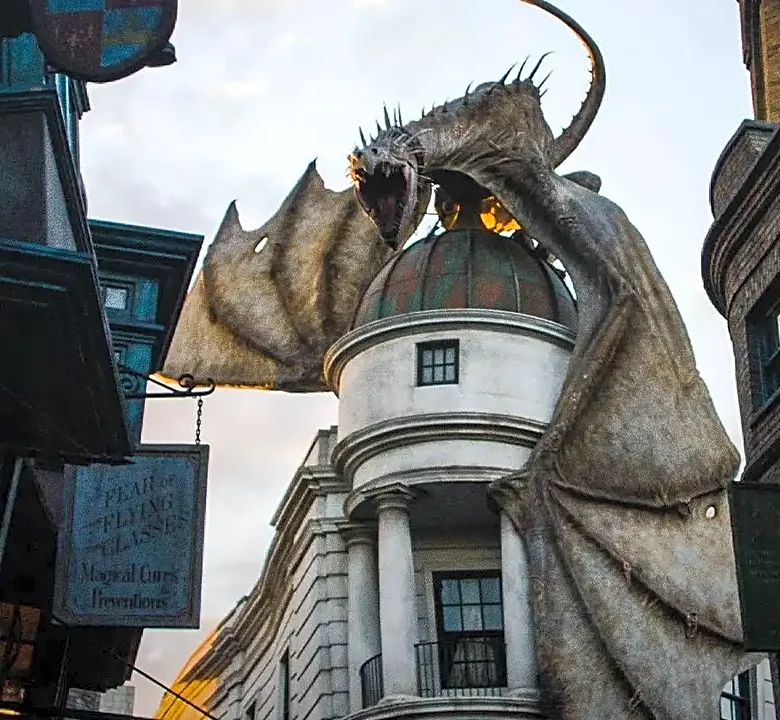
Every legendary house has one. It’s that one room, one puppet, or one stunning practical effect that makes you stop in your tracks. It’s the giant, animatronic beast that lunges over your head, the breathtaking set reveal of a vast cavern, or the disorienting hallway that seems to defy physics. This is the moment that transcends the scares and becomes pure spectacle. It’s the scene you can’t wait to tell your friends about, the image that gets seared into your brain. A house can be solid on all other fronts, but without that signature, awe-inspiring moment, it will never be considered one of the all-time greats.