



The Millennial Nightmare: Analog Ghosts in a Digital Dawn
Millennials, the generation that remembers dial-up internet and a world before smartphones, often find their supernatural fears rooted in the disruption of a previously stable reality. Their horror icons weren't born on the web; they were ancient evils
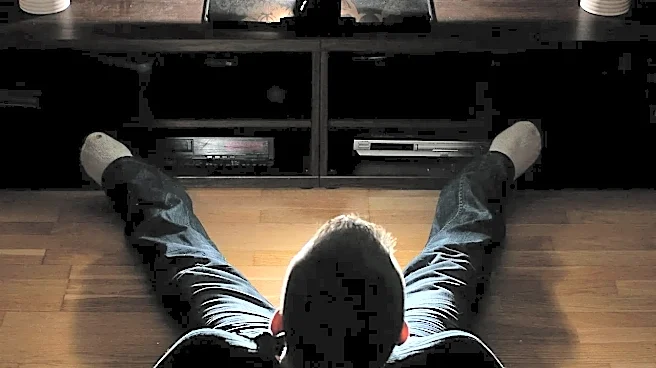
breaking into the modern world. Think of the J-horror boom of the early 2000s, where cursed videotapes brought demonic forces through the TV screen in 'The Ring.' This was a generation spooked by the ghost in the machine when the machine was still a novelty. The rise of found-footage, kicked off by 'The Blair Witch Project,' preyed on Millennial fears of the unknown lurking just beyond the camera's lens, blurring the line between fiction and a terrifyingly plausible reality. This era of supernatural horror wasn't about technology itself being evil, but about old-world curses and spirits using new-world conduits to reach us. Their scares often build slowly, psychologically, and prey on the unsettling feeling that the world isn't as safe or understood as it once seemed.
The Gen Z Terror: When the Threat Is Already Online
Gen Z grew up with the internet as a permanent fixture, where identity is curated online and technology is inescapable. For them, supernatural horror often reflects the anxieties of this hyper-connected existence. The threat isn't an ancient evil trying to get in; it's a terror that's already embedded in the systems they use every day. Films like 'Host,' shot entirely over a Zoom call, turn a familiar communication tool into a demonic portal, a fear particularly resonant after a global pandemic. Other hits like 'Talk to Me' use a supernatural artifact as a chilling metaphor for viral trends and peer pressure, where demonic possession becomes a party game passed around for clicks. This generation’s horror often explores digital doom, identity loss, and the breakdown of social trust in an online world. The scares are less about a single haunted house and more about a haunting that can go viral, reflecting a world where threats feel systemic and inescapable.
Psychological Trauma vs. Existential Dread
While both generations appreciate a good psychological thriller, the source of the dread often differs. Millennial-favored horror like 'Hereditary' or 'The Babadook' frequently uses the supernatural to explore deep-seated family trauma, grief, and mental health crises. The horror is internal, a manifestation of unprocessed pain that becomes a literal monster in the house. The fear is about the collapse of the family unit from within. For Gen Z, the horror often scales up to reflect a broader societal or existential dread. Films like 'Midsommar' or 'Get Out,' while deeply psychological, use their supernatural or cult-like elements to comment on social decay, identity politics, and the feeling of being trapped in a system designed to consume you. The terror isn't just personal; it's a reflection of a world that feels fundamentally unstable or malevolent.
Slashers, Self-Awareness, and the Supernatural
The slasher genre provides another clear dividing line. Millennials came of age during the meta-slasher revival of the late '90s, led by 'Scream.' These films were self-aware, winking at horror tropes while delivering genuine scares. The killer was human, but the supernatural element was the unkillable nature of the franchise itself, a ghost that kept returning for a sequel. Gen Z’s horror, by contrast, is often post-ironic. They know the rules, but the films that resonate, like 'Bodies Bodies Bodies,' use a murder-mystery format to satirize their own generation's social dynamics, anxieties, and online vernacular. The real monster isn't just the killer in the house, but the toxic friendships and social posturing that unfold under pressure. The horror is as much about social implosion as it is about physical danger, proving that sometimes the scariest thing is being trapped in a room with your peers.