






The Fabric Is the Foundation
The single biggest differentiator between a rookie and a veteran runner is fabric choice. Those who "get it right" have a strict 'no cotton' policy. Cotton is a moisture magnet; it soaks up sweat, becomes heavy, and can cause painful chafing. In colder
weather, a wet cotton shirt can even be dangerous, as it loses all insulating properties. Instead, experienced runners build their wardrobe around technical fabrics like polyester, nylon, and merino wool. These materials are engineered to be lightweight and, most importantly, moisture-wicking. They pull sweat away from the skin to the fabric's outer surface where it can evaporate, keeping the runner dry, comfortable, and focused on the miles ahead.
Fit Is Functional, Not Fashion
The second rule of a pro-level running kit is a deliberate approach to fit. It’s a common misconception that athletic wear should be baggy for comfort. For runners, clothing that is too loose can flap around, create drag, and cause chafing. Conversely, gear that’s excessively tight can restrict movement and circulation. The ideal running silhouette is one that is streamlined but not constricting. Think of it as a second skin that moves with your body. Tights, shorts, and tops are cut ergonomically, often with flat-lock or seamless construction to prevent irritation over long distances. This tailored fit isn't for vanity; it's about minimizing distraction and maximizing efficiency.
A Deliberate Color Story
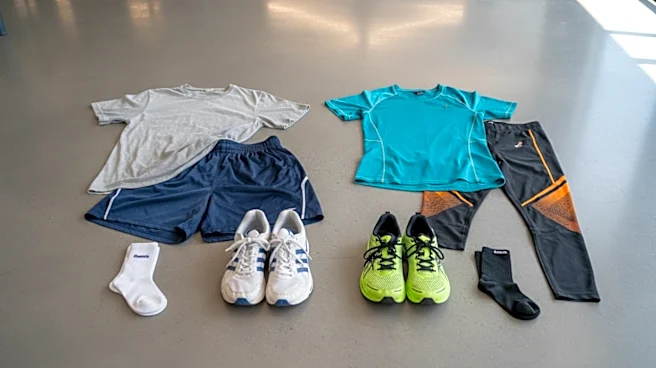
While there are no hard rules, you’ll often notice that experienced runners have a more cohesive color palette. This doesn't mean they’re boring; it means their look is intentional. Instead of a random assortment of race shirts and mismatched shorts, their outfits often revolve around a base of neutral colors like black, gray, or navy, punctuated by one or two bright, coordinating pieces. This approach looks polished, but it also has a practical side. High-visibility colors like neon yellow or bright blue are often used strategically for safety in low-light conditions. A coordinated look suggests a thoughtfully curated kit, where every piece works together functionally and aesthetically.
Socks Are Not an Afterthought
Peeking out between the shoe and the legging is one of the biggest clues to a runner's experience level: their socks. Cotton tube socks are a recipe for blisters and discomfort, as they trap moisture just like a cotton shirt. Runners in the know invest in proper running socks made from the same technical, moisture-wicking materials as the rest of their gear, such as merino wool or synthetic blends. These socks often feature seamless toes, arch support, and specific cuts (no-show, ankle, or crew) designed to prevent slipping and bunching. It seems like a small detail, but the right pair of socks is critical for foot health and overall comfort.
Minimalism in Motion
When it comes to accessories, seasoned runners live by the mantra that less is more. They have mastered the art of carrying only what is essential. You’re less likely to see them with a bulky phone-and-key contraption strapped awkwardly to their bicep. Instead, they utilize integrated solutions. Modern running apparel often features hidden pockets in shorts, leggings, and even sports bras designed for a key or card. For longer runs requiring fuel or a phone, they opt for bounce-free running belts, minimalist hydration vests, or handheld soft flasks that are designed to be unobtrusive. This minimalist approach keeps their hands free and their stride unencumbered, reflecting a focus on pure running.