

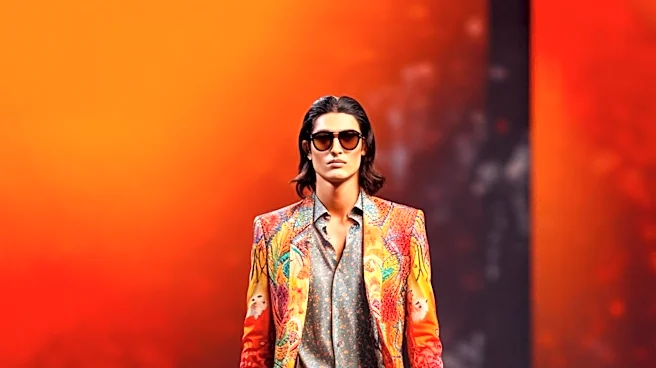


The Two Faces of Wu: Couture and Commercial
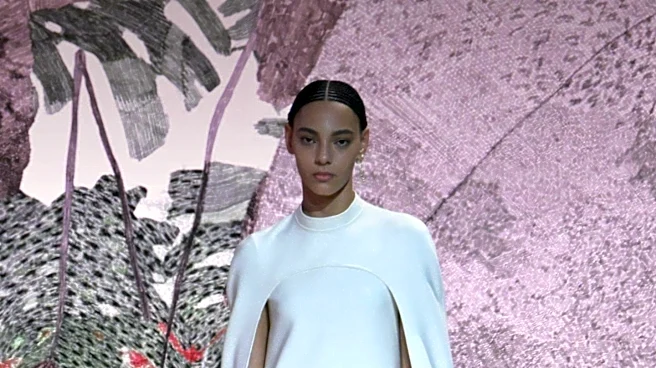
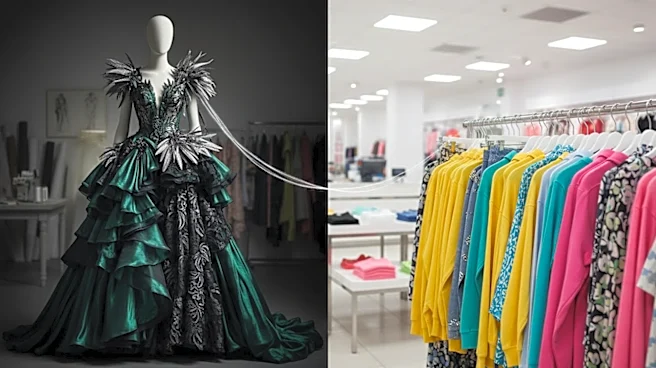
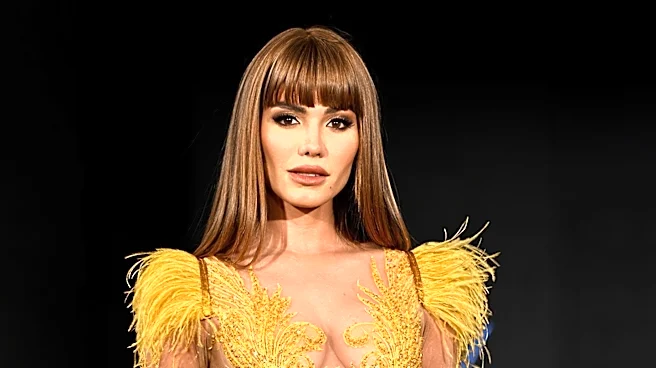
At the heart of the debate is a fundamental duality. On one hand, there is the Jason Wu of the runway: a designer dedicated to meticulous craftsmanship, custom fabrics from European mills, and a couture sensibility. This is the designer who creates gowns
for red carpets and dresses influential women, building a brand on a foundation of American luxury, sophistication, and glamour. On the other hand, there is Jason Wu, the collaborator. He has famously partnered with mass-market retailers like Target and QVC, creating accessible collections that bring his aesthetic to a much broader audience, with prices often under $100. This strategy isn't unique, but Wu's deep commitment to both ends of the market is where the industry's opinion begins to fracture.
The 'Accessible Luxury' Gamble
For supporters, this approach is a brilliant modernization of a fashion brand. By engaging in collaborations, Wu democratizes his designs, builds immense brand awareness, and creates new revenue streams. His partnerships, whether with Target, Eloquii for plus-sizes, or Brizo for home fixtures, are framed not as 'dumbing down' his brand, but as elevating the mass market with a designer touch. Wu himself has stated his goal is to translate his signature touches into affordable collections without compromising on design or sophistication. However, critics and industry purists argue this is a dangerous game. The core of a luxury brand's value lies in its exclusivity and perceived unattainability. By frequently appearing in discount and mass-market settings, the argument goes, the Jason Wu name risks dilution. It potentially confuses the high-end consumer, who pays thousands for a runway piece, while simultaneously creating a fleeting, hype-driven relationship with the bargain-hunting shopper.
A Steady Hand in a Trend-Obsessed World
Wu's design philosophy itself is another point of discussion. He is known for a consistent aesthetic rooted in timeless, mid-century-inspired glamour and refined femininity, rather than chasing fleeting, viral trends. His focus is on craftsmanship, beautiful fabrication, and making women feel powerful and confident. For many, this consistency is a sign of a true artist with a clear, unwavering vision. In a world of fast fashion and social media stunts, his dedication to elegant, wearable art is a strength. Yet, for others in an industry that increasingly rewards noise and novelty, this steady approach can be perceived as too safe or quiet. While his collections are critically respected, they don't always generate the explosive, headline-grabbing moments that drive the modern fashion news cycle, leading some to question its momentum in a hyper-competitive landscape.
The Verdict: A Case Study in Modern Branding
Ultimately, the split in opinion over Jason Wu's approach says less about Wu himself and more about the existential questions facing the entire fashion industry. Is it possible to be both exclusive and for everyone? Can a brand maintain its luxury prestige while participating in the high-volume, low-margin world of mass retail? Wu is betting that it can. By bifurcating his brand into distinct tiers—the premier Jason Wu Collection and the more contemporary J Jason Wu line—he attempts to serve two masters. His career has become a high-profile case study in navigating the new rules of brand-building, where visibility can be as valuable as exclusivity. The 'split' is not one of failure versus success, but a fundamental disagreement on what a luxury fashion brand should be in the 21st century.