





More Than a Rebel Yell
On the surface, Eddie Cochran was the complete 1950s package: a handsome, sharp-dressing young man with a Gretsch guitar and a rebellious sneer. Hits like “C’mon Everybody” and “Summertime Blues” were perfect teenage anthems, channeling the universal
frustrations of youth with an electrifying energy. But to frame him simply as a teen idol is to miss the point entirely. Cochran was a musician’s musician, a studio wizard hiding in plain sight. While some peers were content to ride the rockabilly wave, Cochran was busy building a new kind of surfboard. He wasn't just performing the music; he was inventing its future language during a tragically brief career that lasted from the mid-50s until his death in a car accident in 1960.
The Sound of the Future
Cochran’s most enduring legacy might be the sounds he captured on tape. At a time when studio recording was often a straightforward process of capturing a live band, he was an early pioneer of multitrack recording and overdubbing, techniques now fundamental to virtually all popular music. On tracks like “Summertime Blues,” he played nearly everything himself, layering guitar parts, bass, and even the distinctive, deep-voiced responses. This wasn’t just a gimmick; it was the work of an artist with a complete vision for his sound. Beyond the studio, his guitar playing was revolutionary. He was one of the first to use an unwound third string, allowing him to bend notes a full tone—a move that became a cornerstone of rock guitar vocabulary for players like Joe Brown, Jeff Beck, and Jimmy Page. This technical prowess set him apart from the pack of three-chord rockabilly strummers.
Writing the Teenage Anthem
While many early rock and roll songs dealt in novelty or thinly veiled innuendo, Cochran’s lyrics had a sharp, journalistic quality. He wrote his own material, a rarity at the time, and chronicled the authentic push-and-pull of teenage life. “Summertime Blues” isn’t just a song about wanting to have fun; it’s a detailed complaint about labor, parental authority, and political disenfranchisement (“I'd like to help you, son, but you're too young to vote”). “C’mon Everybody” is a pure, unadulterated call to community and celebration. This lyrical honesty is a key reason his music has aged so well. The trends of poodle skirts and slicked-back hair are relics, but the feeling of being young, broke, and yearning for a bit of freedom is timeless. He gave the teenage experience a voice that was frustrated but also smart, witty, and full of life.
The Blueprint for Rock Stardom
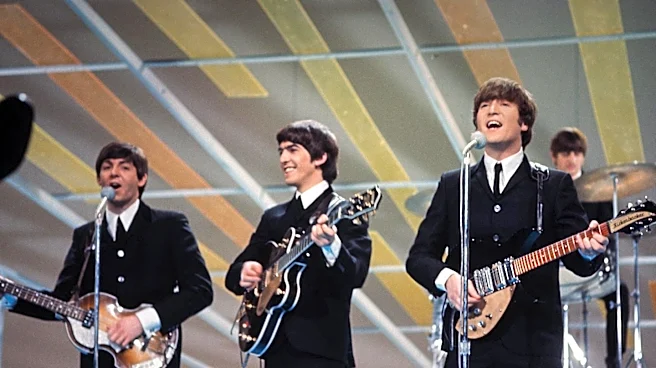
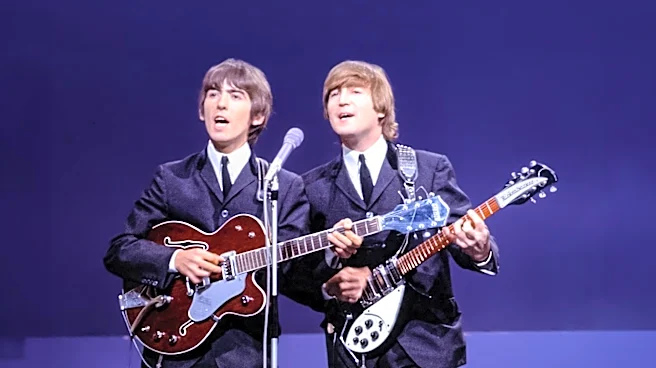
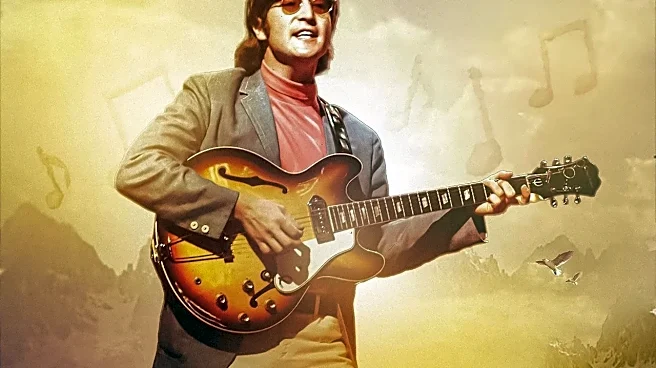
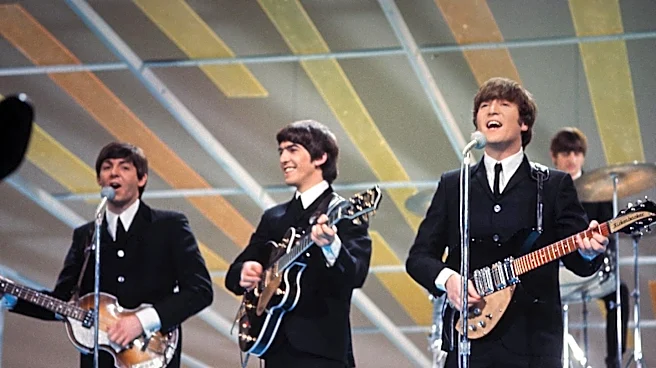
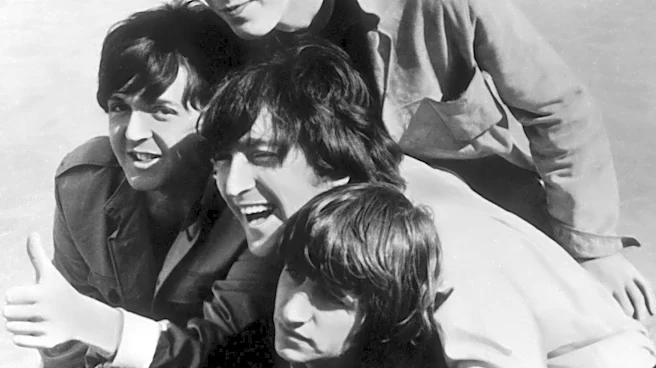
Cochran’s influence echoes through decades of rock music, often in unexpected places. His performance of “Twenty Flight Rock” was the song a young Paul McCartney played to impress John Lennon, securing his spot in the band that would become The Beatles. The Who made “Summertime Blues” a ferocious staple of their live shows, a version that showcased the song's raw power. The raw, driving energy of tracks like “Somethin’ Else” was a clear precursor to punk rock, with the Sex Pistols famously covering the song and capturing its defiant spirit. From the rockabilly revivalists like Brian Setzer of the Stray Cats to guitar gods like Jimi Hendrix, who reportedly requested Cochran's music be played at his funeral, his impact is undeniable. He provided a template for the guitar hero who could not only play but also write, produce, and embody a rebellious attitude that was authentic, not manufactured.