



More Than Just an Attitude
The side-fastened jacket, in its many forms, is a masterclass in functional design. While today we might associate an asymmetrical zip with punk rock rebellion or high-fashion edge, its origins are far more pragmatic. Whether it’s for a motorcyclist,
a chef, a soldier, or even part of a centuries-old cultural tradition, the decision to move a jacket’s closure from the center to the side has almost always been about one thing: creating a better, more protective barrier between the wearer and the world.
The Rider's Armor
The most iconic example is the classic motorcycle jacket. Irving Schott’s “Perfecto,” first designed in 1928, featured a diagonal zipper for purely practical reasons. When a rider leans forward over their handlebars, a centered zipper can bunch up uncomfortably. The asymmetrical design solves this. More importantly, it creates a double layer of leather over the torso, offering significantly better insulation against wind and added protection from road abrasion in a fall. The wide, overlapping lapels could also be snapped down to stop them from flapping in the wind. What began as a tool for rider safety was later adopted by icons like Marlon Brando, transforming it into a symbol of counterculture.
The Culinary Uniform
A similar logic applies in the high-pressure environment of a professional kitchen. The double-breasted chef's coat, which traces its origins to 19th-century France, is another marvel of functional design. The overlapping front panel serves two key purposes. Firstly, it provides an extra layer of thick cotton fabric to protect the chef’s chest from hot spills, splatters, and the intense heat from stoves and ovens. Secondly, it’s a brilliant solution for maintaining a professional appearance. If the front of the jacket gets stained during service, the chef can simply reverse the flaps and button them the other way, presenting a clean front instantly.
Military and Cultural Roots
The concept of an overlapping closure is deeply rooted in military and historical dress. Double-breasted greatcoats, worn by naval officers and soldiers for centuries, used the overlapping front to provide superior warmth and protection from the elements. This design created a formidable barrier against wind and rain, essential for life at sea or on campaign. The double rows of buttons also created a powerful, authoritative silhouette. Beyond the West, garments like the Nepalese Daura Suruwal feature a distinct side-fastening tunic. The traditional design includes eight ties to secure the overlapping flaps, a number considered auspicious, with the construction itself holding deep cultural and religious significance.
The Modern Aesthetic
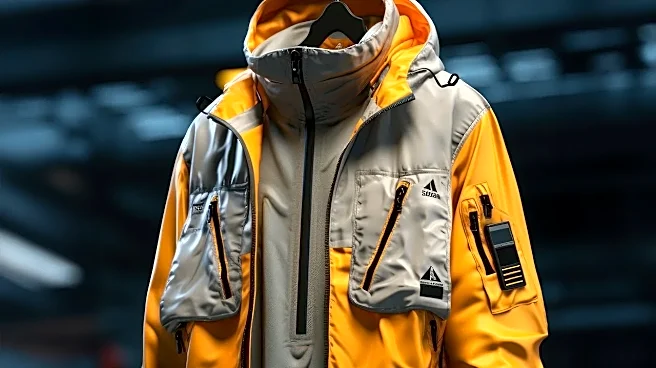
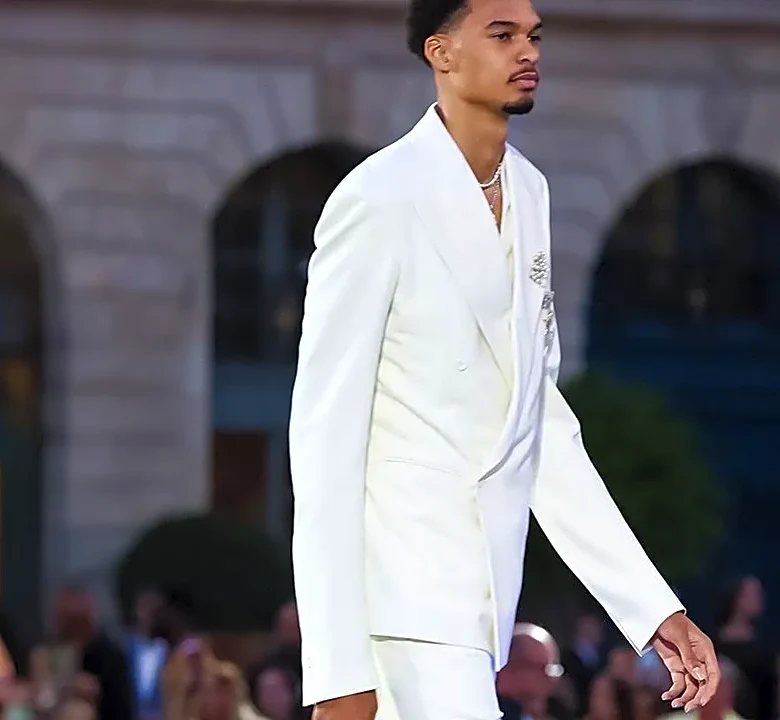
Today, designers play with asymmetrical closures as a deliberate stylistic choice, often divorced from their original function. An off-center fastening can create dynamic lines, break the visual monotony of a symmetrical garment, and add a point of interest. It borrows the inherent “cool factor” from its rebellious motorcycle roots and the formal authority from its military heritage. By understanding the practical origins of the side-fastened jacket, we can appreciate it on a deeper level. It’s a design that has been tested on the road, in the kitchen, and on the battlefield, proving that the most enduring styles are often born from the most practical needs.