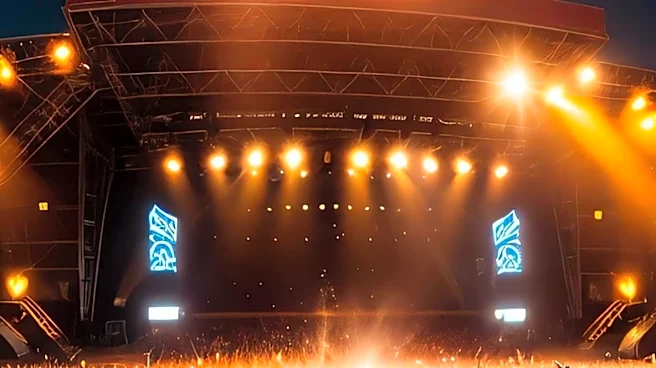








General Admission: The Foundation of the Festival
Think of General Admission (GA) as the base of the entire festival pyramid. It’s the ticket that gets you through the gates and onto the grass. For organizers, GA isn't about profit margins; it's about volume and cash flow. Festivals have monumental upfront
costs: booking dozens of artists, renting massive venues, security, staging, and marketing can run into the tens of millions of dollars before a single fan arrives. Selling a high volume of GA tickets, often through tiered early-bird pricing, generates the necessary initial cash to get the operation off the ground. This ticket buys you the core experience: access to all the music. Everything else—comfort, convenience, and proximity—is where the real money is made.
The VIP Upgrade: Selling Comfort at a Premium
The jump from GA to VIP is where the festival's profit engine truly kicks in. What are you buying? Primarily, comfort and convenience. Common VIP perks include expedited entry, dedicated viewing areas (often elevated or sectioned off), private lounges with shade and seating, and, most famously, air-conditioned restrooms. For the festival, the marginal cost of providing these amenities is relatively low compared to the significant price increase of the ticket itself. They're monetizing the friction points of the GA experience: long lines, crowded spaces, and gross porta-potties. This tier is the sweet spot for many attendees willing to pay more to solve those predictable annoyances, making it a huge revenue driver for the event.
Platinum and Beyond: The Luxury Layer
Then there's the top of the pyramid: Platinum, Diamond, or whatever ultra-exclusive name the festival devises. This isn't just about better bathrooms; it's about an entirely different, frictionless experience. These passes often include front-of-stage viewing pits, golf cart transportation between stages, dedicated concierge services, and complimentary, chef-curated food and drinks all day. The price tag can be astronomical, but it targets a small segment of the audience that is largely price-insensitive. For them, the value is in maximizing their time and enjoyment without thinking about logistics. While these tickets make up a tiny fraction of total attendees, they can account for a disproportionately large share of revenue, representing the highest-margin product the festival sells.
The Real Strategy: Price Segmentation
This tiered system isn't just a random assortment of perks; it's a classic business strategy called price segmentation (or in economic terms, price discrimination). The goal is to capture the maximum amount of money each customer is willing to pay. Someone who can only afford a GA ticket pays that price. Someone willing to pay double for clean bathrooms and less crowding pays the VIP price. And the person who will pay ten times more to have every need catered to does just that. Each tier is designed to make the one below it seem more reasonable. VIP seems like a splurge until you see the Platinum price, which suddenly makes VIP look like a decent deal. This model allows festivals to attract a broad audience while extracting maximum value from the top end, which is crucial for profitability in an industry with soaring artist fees and production costs.