






FIFA’s Unbelievably Profitable Business Model
First, let's get one thing straight: FIFA, the governing body of world soccer, is a commercial powerhouse disguised as a non-profit. Its business model for the World Cup is ingeniously simple: it owns the world’s most popular event and sells the rights
to broadcast and market it. That’s it. FIFA doesn't build the stadiums, run the airports, or manage the hotels. The host nation does that. FIFA essentially rolls into town with a massive, pre-sold party, collects billions, and leaves. The revenue is staggering. For the 2019-2022 cycle, which culminated in the Qatar World Cup, FIFA pulled in a record $7.6 billion. The vast majority of this comes from two main sources. The biggest is television broadcasting rights. Networks around the globe pay astronomical sums for the exclusive right to show the games. In many countries, the World Cup is a cultural event on par with a national holiday, guaranteeing massive audiences that advertisers will pay a premium to reach. The second major stream is marketing rights, which means selling official partnerships to global brands who want their logo plastered all over the planet’s biggest stage.
The Host Nation’s High-Stakes Gamble
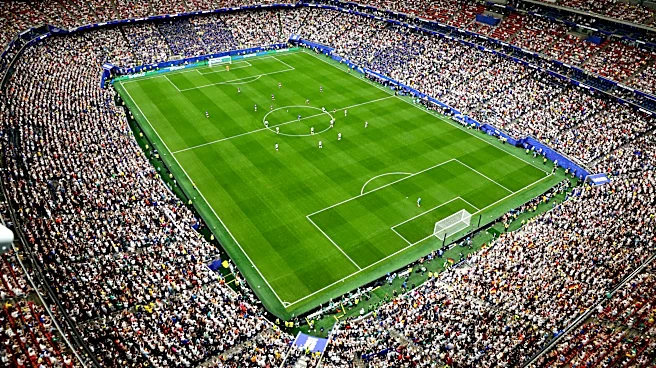
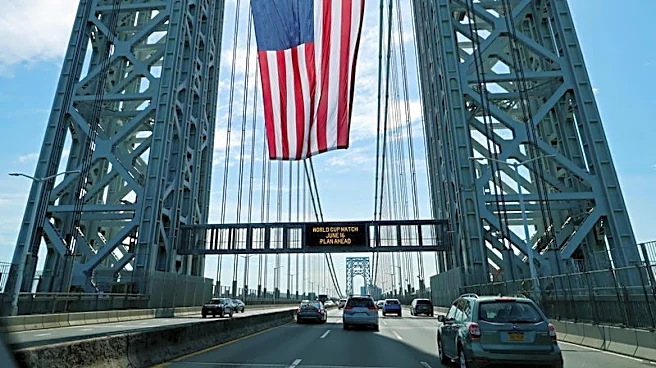
If FIFA is the one cashing the biggest checks, the host country is the one writing them. Staging a World Cup is one of the most expensive undertakings a nation can pursue. Costs often soar into the tens or even hundreds of billions of dollars. This money goes toward building or renovating a dozen or more state-of-the-art stadiums, plus massive upgrades to infrastructure like airports, highways, and public transit to handle the influx of millions of fans. So why do it? The pitch is long-term economic benefit. The hope is that the event will drive a tourism boom, create jobs, and leave a legacy of world-class infrastructure. It’s also a massive exercise in “soft power”—a chance for a country to project a modern, capable image to the entire world. However, the return on investment is hotly debated. Many purpose-built stadiums fall into disuse, and the promised economic boom doesn’t always materialize, leaving host nations with staggering debt. The upcoming 2026 World Cup in the U.S., Mexico, and Canada offers a different model, relying heavily on existing NFL stadiums and infrastructure to mitigate these enormous costs.
The Global Billboard for Top-Tier Brands
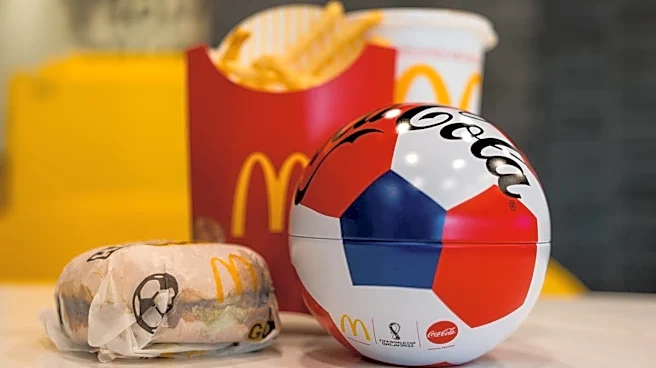
For companies like Coca-Cola, Adidas, Visa, and Hyundai, the World Cup isn’t just a sporting event; it's the most effective global advertising platform in existence. These top-tier “FIFA Partners” pay hundreds of millions of dollars for a four-year cycle, not just for the month of the tournament. What they are buying is unparalleled global reach and a deep emotional connection with consumers. Their logos appear on stadium boards, in TV broadcasts seen by billions, and on all official marketing materials. But the real value comes from the exclusive right to use the World Cup brand in their own advertising. Think of a Coca-Cola commercial featuring fans celebrating a goal, or Adidas, the official ball supplier since 1970, showcasing its latest gear on the feet of the world's best players. This association links their product with feelings of joy, national pride, and peak performance—a marketing goal that is almost impossible to achieve on this scale anywhere else.
The Other Economies: Tickets, Tourism, and Tech
While media and marketing rights are the financial titans, they aren't the whole story. FIFA also generates significant revenue from hospitality and ticket sales, which, for the Qatar cycle, accounted for hundreds of millions of dollars. These packages, often bought by corporations, combine premium seats with luxury accommodations and services. Beyond FIFA's direct earnings, a massive shadow economy springs up around the tournament. The host country sees a surge in its tourism and hospitality sectors, from hotels and restaurants to tour guides and souvenir shops. Licensed merchandise, from official team jerseys to the tournament mascot, becomes a global retail phenomenon. And increasingly, the digital economy plays a huge role, with sports betting companies, fantasy sports platforms, and video game publishers like EA Sports (with its FIFA game, now EA Sports FC) all seeing massive engagement and revenue tied directly to the event's hype and outcomes.