

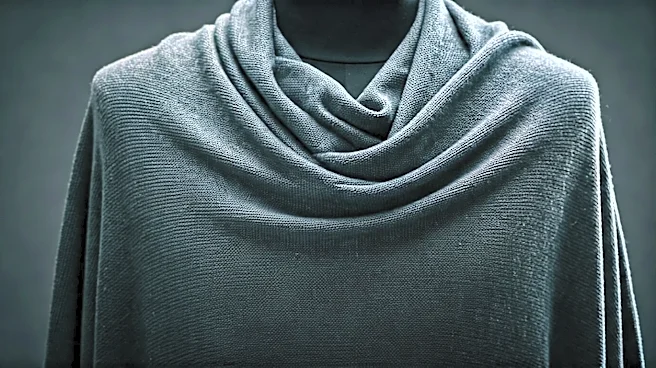


1. The New Relaxed Suit
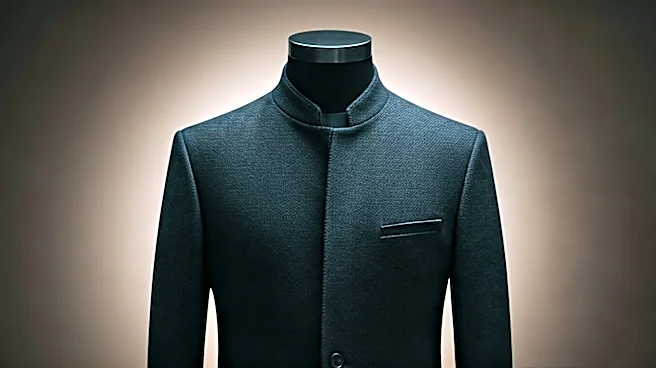
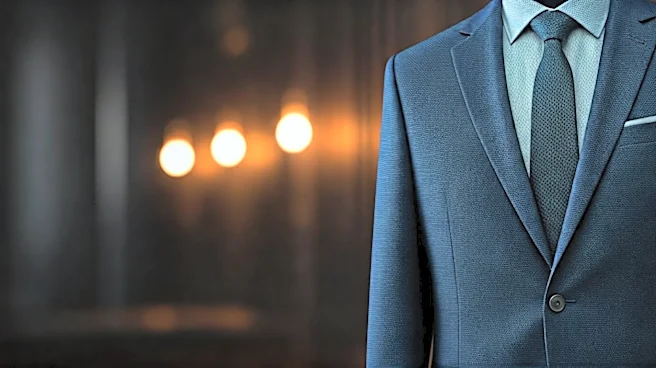
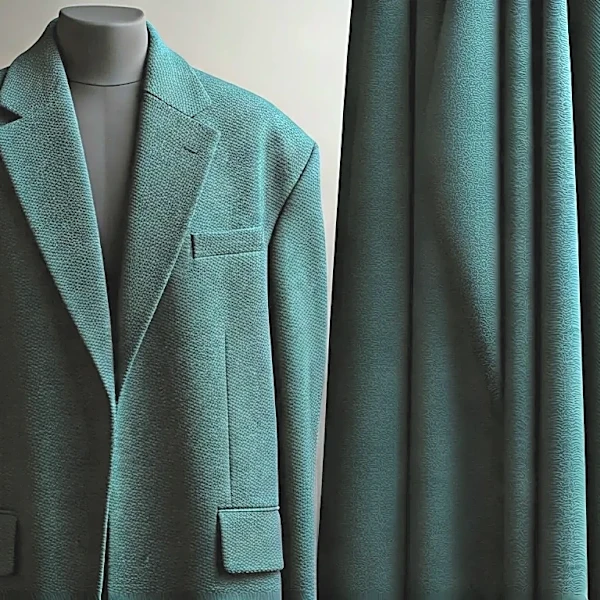
For years, the dominant silhouette in menswear was sharp, slim, and unforgiving. That era is definitively over. Milan’s designers, from Zegna to Giorgio Armani, have fully embraced a softer, more relaxed approach to tailoring. Think suits and sport coats
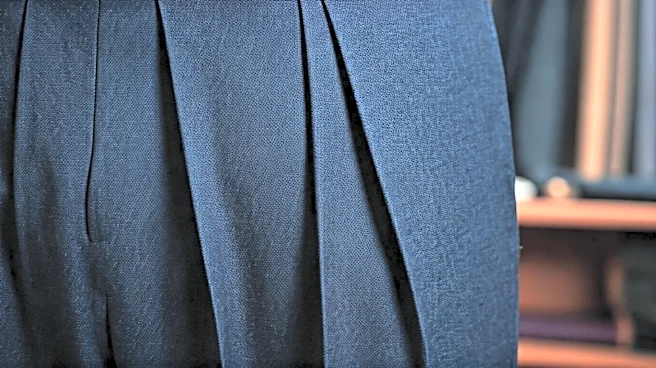
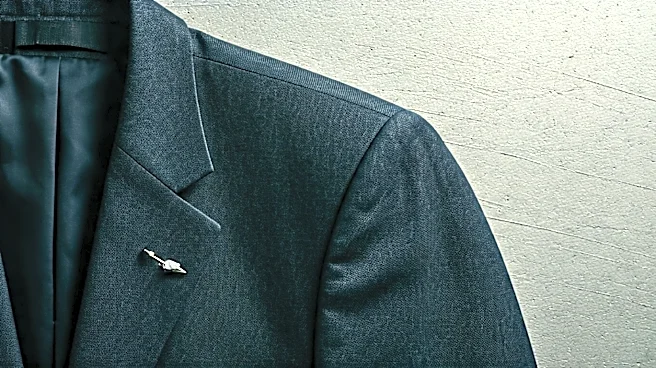
with natural, unpadded shoulders, trousers with a little more room in the leg, and fabrics that move with you rather than against you. This isn’t about sloppy, oversized clothing. It’s about prioritizing comfort without sacrificing elegance. The wardrobe value here is immense. A relaxed-fit blazer in a neutral color can be thrown over a t-shirt and jeans just as easily as it can be paired with matching trousers. It’s a signal that you understand modern proportions and value feeling as good as you look. It's the end of the suit as a uniform and the beginning of the suit as a versatile, everyday luxury.
2. Elevated Workwear
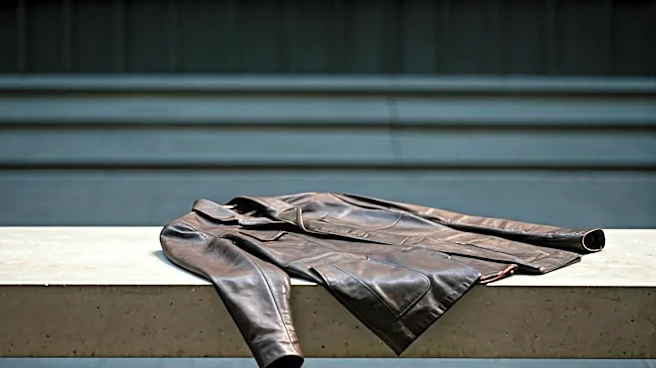
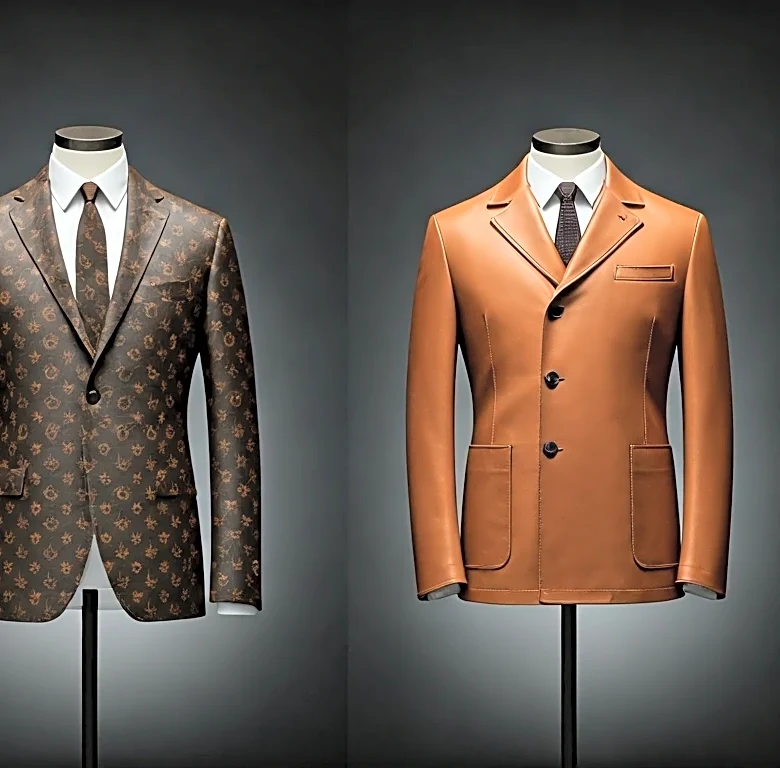
The chore coat, the field jacket, the sturdy canvas pant—these aren't new items. What is new is how Italian luxury brands are reinterpreting them. Milan’s runways showed a wave of what could be called “elevated workwear.” Imagine a classic French worker’s jacket, but cut from supple suede or a fine wool-cashmere blend. Or picture a pair of cargo pants tailored with the precision of dress trousers. Brands like Prada and Brunello Cucinelli are masters of this, taking utilitarian archetypes and rendering them in luxurious materials with a sophisticated fit. The takeaway for your wardrobe is to invest in one great piece of utility-inspired outerwear. It’s practical, timeless, and adds a rugged-yet-refined edge to almost any outfit. It's the perfect bridge between casual and smart.
3. The Power of Texture
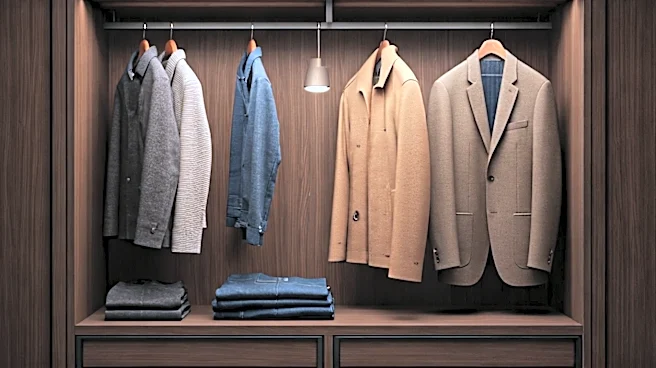
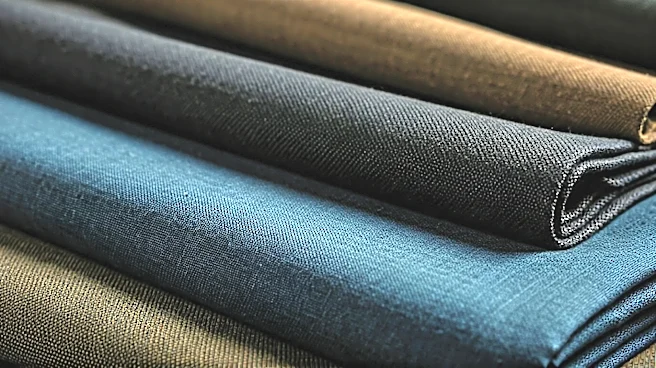
When your color palette is muted—and Milan’s was full of earthy sand, olive, and terracotta tones—you need another way to create visual interest. The answer is texture. The collections were a masterclass in tactile fabrics: nubby bouclé jackets, ribbed knit polo shirts, gauzy linen button-downs, and velvety corduroy trousers. A simple outfit, like a cream-colored sweater and brown pants, becomes infinitely more interesting when the sweater is a chunky ribbed knit and the pants are fine-wale corduroy. Texture adds depth and a sense of quality. It’s a quiet form of luxury that you can feel. For your own wardrobe, this is an easy win. When shopping for basics, pay attention to the feel and weave of the fabric. Swapping a flat cotton sweater for a textured knit is a simple upgrade that makes a huge difference.
4. The Knit Polo Comeback
The humble polo shirt is back, but not the piqué cotton version you wore in high school. We're talking about the knit polo—a softer, more refined version often made from merino wool, silk, or fine cotton blends. With a more structured collar and a smoother drape, it’s a brilliant piece of sartorial code-switching. It’s more dressed-up than a t-shirt but more relaxed than a woven button-down. Tucked into a pair of trousers, it has a retro, mid-century charm. Worn untucked with chinos or jeans, it’s effortlessly casual-cool. Designers showed them on their own and layered under blazers, proving their versatility. For real-world value, this piece is a champion. It solves the eternal question of what to wear when “business casual” is the vague directive.
5. A Focus on 'Soft Dressing'
If there's one overarching theme to take from Milan, it's the move towards “soft dressing.” This isn’t a specific item but an attitude. It’s about clothes that are less rigid, less formal, and more integrated with our actual lives. It’s about unstructured jackets, drawstring trousers that look like dress pants, and luxurious knitwear that can replace a sport coat. It’s the recognition that after years of valuing comfort at home, we’re not willing to give it up entirely when we go out. The value here is a mindset shift. Instead of thinking in rigid categories—work clothes, weekend clothes—look for pieces that can do both. Building a wardrobe of these versatile, comfortable, and elegant items is the smartest style investment you can make.