




1. The Fit and Comfort Test
You might have loved how that dress or linen suit looked in the store, but a summer event is a marathon, not a sprint. Before you commit, try the outfit on and *move*. Sit down. Stand up. Do a little dance in your living room. Raise your arms. Can you breathe
comfortably when seated for a meal? Is the fabric unpleasantly restrictive or itchy? Summer heat can amplify discomfort, turning a slightly-too-tight seam into a major irritant. This five-minute 'rehearsal' is the single best way to ensure you'll be focused on the fun, not on tugging at a hemline or dreaming of the moment you can finally change into sweatpants. If it doesn’t feel good now, it certainly won’t feel good after three hours of socializing.
2. The Fabric and Wrinkle Forecast
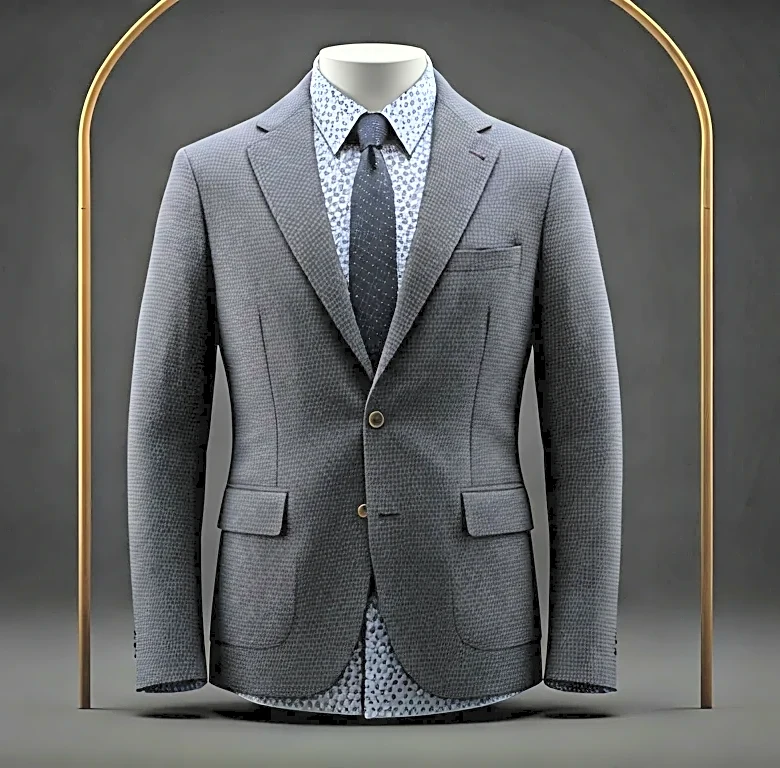
Summer fabrics are all about breathability, but they come with their own challenges. That beautiful linen dress can look effortlessly chic, but it can also wrinkle if you so much as look at it wrong. Take a moment to assess the material. Is it a high-quality cotton, a forgiving silk blend, or wrinkle-prone rayon? If you know you'll be sitting in a car for an hour to get to the venue, a crisp, easily creased fabric might not be your best friend. Give the garment a quick test: bunch a small, hidden section in your fist for 30 seconds. If it releases with deep, stubborn wrinkles, be prepared. You may need to steam it right before you walk out the door and accept a bit of 'artful' creasing as part of the look.
3. The Underpinnings Audit
The perfect outfit can be completely undermined by the wrong foundation. This is the time to confirm you have the right bra, shapewear, or undergarments. Hold your chosen outfit up to a bright light to check for transparency—you don’t want any surprises in the bright summer sun or under camera flashes. Try it on with the exact undergarments you plan to wear. Are straps showing? Are there visible lines? For lighter-colored pants or skirts, nude, seamless underwear is almost always the safest bet. If the dress requires a strapless bra, make sure you have one that is supportive and, crucially, comfortable enough to wear for hours without constant readjustment.
4. The Damage and Stain Scan
This is the most crucial, detail-oriented step. Lay your garment out in good, natural light and perform a quick inspection. Look for small, forgotten stains from the last time you wore it—a tiny drop of oil or coffee can be nearly invisible in a dim closet. Check all seams, buttons, and zippers. A loose thread on a hem can quickly become a major unraveling situation on the dance floor. Are all buttons securely attached? Is the zipper smooth and functional? Finding a small issue now gives you time for a quick fix—a spot treatment with a stain pen or a few simple stitches to secure a button. Finding it as you’re rushing out the door is a recipe for pure stress.
5. The Full Look Rehearsal (Shoes Included!)
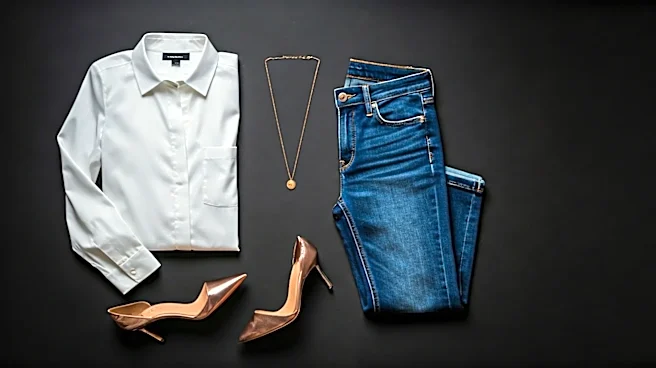
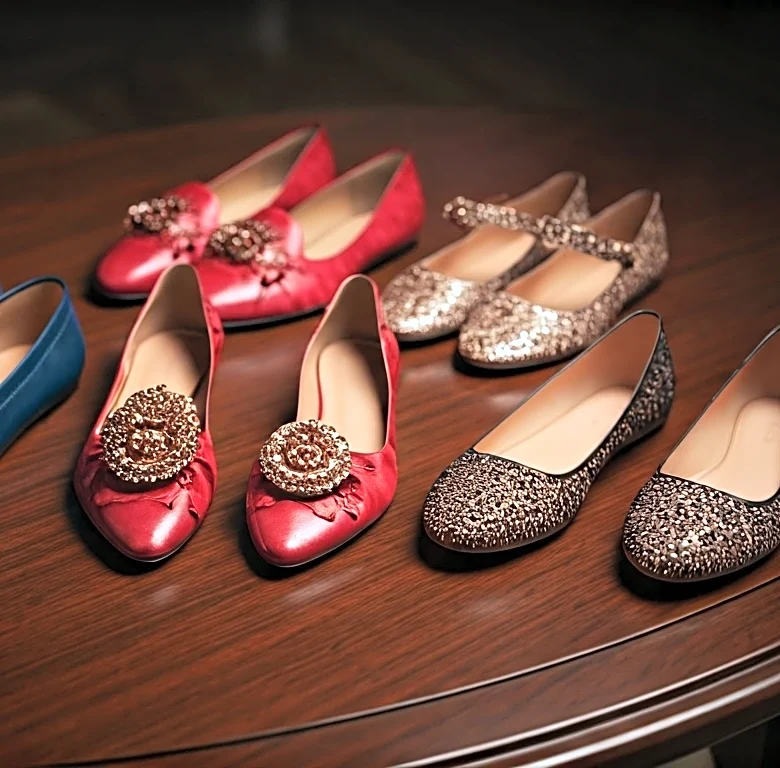
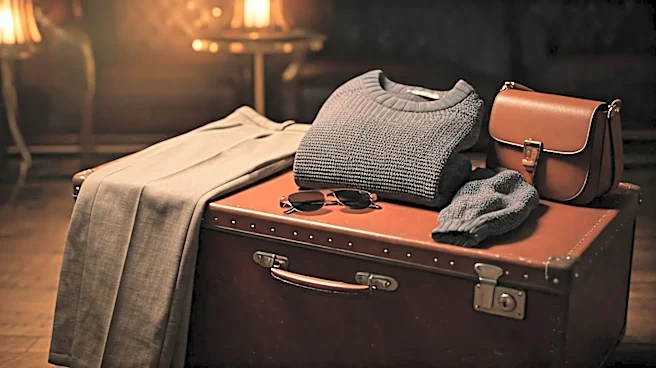
An outfit is more than just a dress or a shirt and pants; it's a complete package. Once you've vetted the main garment, assemble the entire look. That means trying it on with the shoes, jewelry, and bag you plan to use. This step prevents a multitude of last-minute problems. You might discover your favorite necklace clashes with the neckline, or the metallic shade of your shoes is slightly off from your clutch. Most importantly, it forces you to check your footwear. Are those heels comfortable enough for standing on a lawn? Are your sandals scuffed or dirty? Walking around for a few minutes can tell you if those new wedges are actually instruments of torture. This final check ensures everything works in harmony, creating a polished, intentional look.