






The Golden Lion: The Undisputed Best in Show
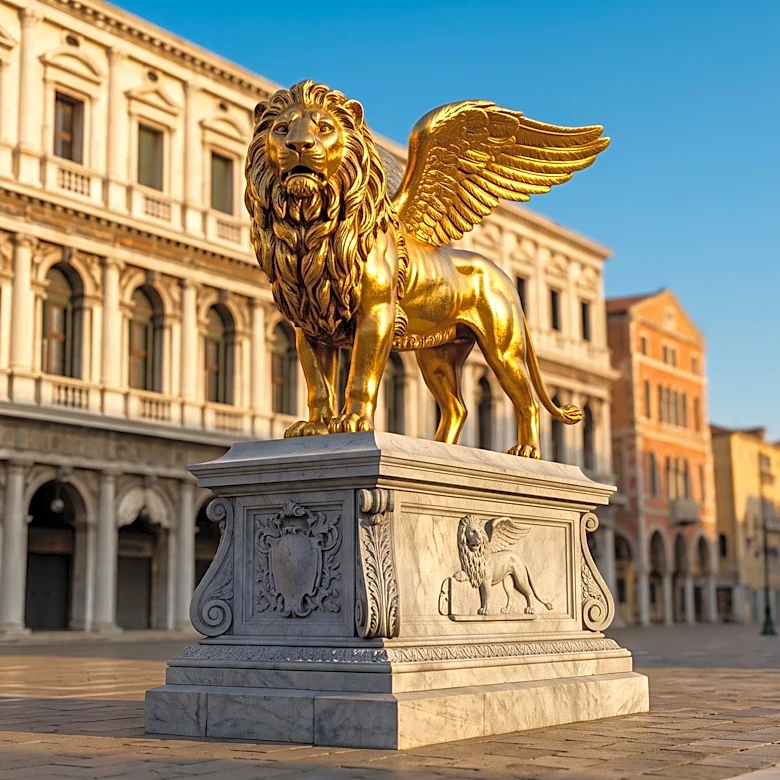
The Golden Lion, or 'Leone d'Oro,' is the highest honor a film can receive at the Venice Film Festival. Think of it as the festival's Best Picture award. First introduced in its current form in 1949, it replaced earlier awards and was named for the iconic
winged lion that symbolizes the city of Venice. Winning the Golden Lion anoints a film as the consensus choice of the festival jury, a panel of esteemed directors, actors, and critics. It signifies that, among a slate of the world's most anticipated films, this one was deemed the most outstanding. Historically, the award is a powerful launching pad, with past winners like Akira Kurosawa's "Rashomon" (1951) gaining international acclaim after their Venice win. More recently, films like "Nomadland," "Joker," and "The Shape of Water" took home the Golden Lion before going on to major success at the Academy Awards, solidifying the prize as a key bellwether for awards season.
The Grand Jury Prize: The Powerful Runner-Up
If the Golden Lion is first place, the Grand Jury Prize is the second-most prestigious award, a powerful silver medal. Officially called the 'Leone d'Argento – Gran Premio della Giuria,' it’s awarded to the film the jury deems the runner-up among the official competition entries. However, it's far from a consolation prize. Winning the Grand Jury Prize often signals that a film was a major contender for the top spot and deeply admired by the jury. Sometimes, it's awarded to a film that might have been more audacious, divisive, or formally daring than the Golden Lion winner. For example, in 2019, while the more commercially accessible "Joker" won the Golden Lion, Roman Polanski's controversial historical drama "An Officer and a Spy" took the Grand Jury Prize. It’s an immense honor that immediately places a film in the top tier of the year's cinematic achievements.
What the Choice Signals
The distinction between the two often comes down to consensus versus passionate support. The Golden Lion typically represents the jury's collective agreement on the single best film. The Grand Jury Prize, conversely, can sometimes be the passion project of a significant portion of the jury—a film so beloved by some that it had to be recognized at the highest level possible, just shy of the top prize. A Grand Jury Prize winner might be a film that sparked more debate or was stylistically unconventional, making it a close second. For industry watchers and cinephiles, the Grand Jury Prize winner is just as essential to see as the Golden Lion recipient. It often points to a visionary director or a challenging film that pushed boundaries and captured the jury's imagination, even if it didn't secure the final vote for the ultimate prize.
The Oscar Connection
In the world of awards season prognostication, both prizes are significant, but the Golden Lion has a stronger recent track record as an Oscar precursor. In the last decade, multiple Golden Lion winners have gone on to earn a Best Picture nomination at the Academy Awards, with several even winning the top prize. The Grand Jury Prize has a less direct, though still notable, path to Oscar glory. While fewer winners have cracked the Best Picture race, many have secured nominations in other major categories like Best Director, Best Screenplay, or Best International Feature Film. A win in either category puts a film firmly on the map for Academy voters. It signals that a film has been vetted and celebrated at one of the world's most important film festivals, giving it critical momentum as it heads into the heart of awards season.