






More Than a Movie, It's an Event
In an era where streaming has trained audiences to wait, “event cinema” is Hollywood’s counter-offensive. It’s the art of turning a film premiere into an unmissable cultural moment. Think less about a regular movie ticket and more about a reservation
for a shared experience. The strategy involves a cocktail of premium formats like IMAX 70mm film, limited-edition merchandise, a carefully managed drip of marketing, and, most importantly, a long and exclusive theatrical run. This approach demands that a film be seen on the biggest screen possible to be fully appreciated. Universal’s own commitment has grown, recently extending its minimum theatrical exclusivity window to five weekends for its 2026 films, a direct investment in the cinema experience. After the success of Oppenheimer, which grossed nearly a billion dollars, Universal is doubling down on the formula with Nolan. For The Odyssey, the studio is signaling to audiences that this isn't content to be consumed on a laptop; it's a spectacle to be witnessed.
The Auteur as the Main Attraction
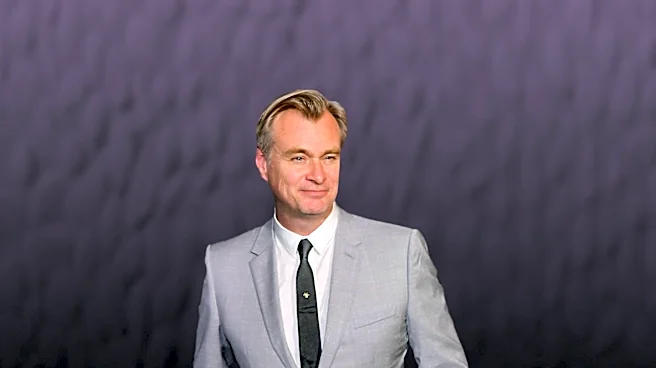
Central to this entire gamble is Christopher Nolan himself. More than just a director, his name has become a brand synonymous with a specific type of cinematic grandeur. His career-long advocacy for shooting on film, his pioneering use of IMAX cameras, and his insistence on practical effects have made him the de facto leader of the theatrical-first movement. When Nolan left his long-time home at Warner Bros. over their pivot to same-day streaming, he found a willing partner in Universal, who offered him the creative control and theatrical commitment he demanded. The success of that partnership with Oppenheimer proved the model. Now, with The Odyssey reportedly being the first feature film shot entirely with IMAX film cameras, he is pushing the technical boundaries even further. The message is clear: if Nolan built it, it's worth leaving your house to see it.
A Myth for Modern Times
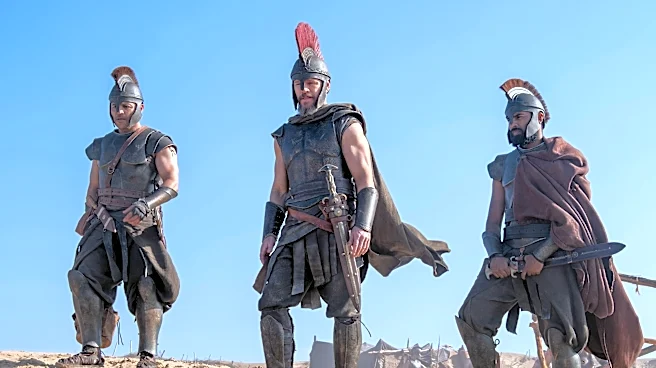
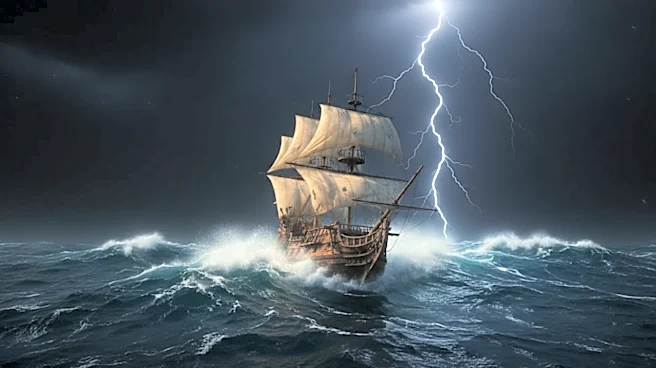
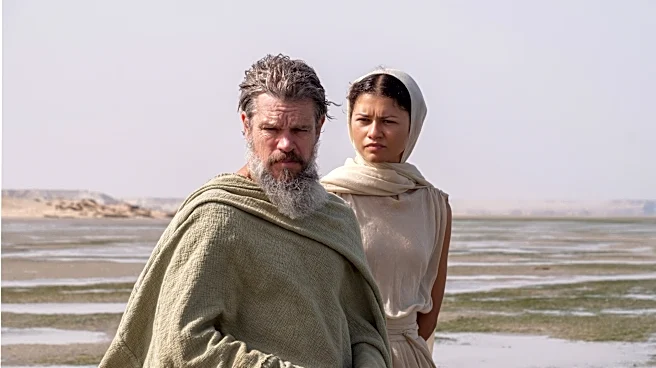
Choosing Homer's 3,000-year-old epic is a bold move in a landscape dominated by superheroes and sequels, but it's a calculated one. The Odyssey is a globally recognized, public-domain story about a perilous journey home—a theme that echoes through Nolan's own filmography, from Interstellar to Dunkirk. In a recent interview, Nolan explained his choice by noting that the foundational story has, ironically, never been done in modern cinema on a grand scale, calling it a "gap in the culture" he wanted to fill. The source material provides a vast canvas for the kind of spectacle at which Nolan excels: mythical monsters, epic battles, and dramatic voyages. Starring Matt Damon as the guilt-ridden king Odysseus, the film is being positioned as a thematic companion piece to Oppenheimer, exploring another brilliant but flawed man reckoning with the consequences of his actions.
The High-Stakes Voyage
The bet from Nolan and Universal is that in a fragmented media landscape, scale, quality, and a sense of occasion are the scarcest and most valuable commodities. With a budget reportedly around $250 million and a star-studded cast including Matt Damon, Anne Hathaway, Tom Holland, and Zendaya, this is a blockbuster of the highest order. However, it’s a blockbuster built on an ancient poem, not a pre-existing media franchise. Universal is banking that Nolan's vision, executed on an epic scale, is a powerful enough draw to anchor the summer box office, which has seen a strong post-pandemic rebound in 2026. The studio is treating the film's release with the gravity of a state secret, limiting advance screenings for critics until the world premiere. This strategy aims to preserve the mystery and ensure that when the film opens on July 17, it arrives as a singular, overwhelming cultural event, not just another title in a streaming library.