



The Gentle Giant of Skincare Acids
So, what exactly is lactic acid? It’s an alpha-hydroxy acid (AHA) that’s famously gentle on the skin. If you’ve heard stories of Cleopatra bathing in sour milk for better skin, you’ve heard of lactic acid—it’s naturally found in dairy. In skincare, it works
as a chemical exfoliant, dissolving the bonds that hold dead skin cells together on the surface. This process reveals brighter, fresher skin without the harshness of a physical scrub. But it doesn't just exfoliate; it’s also a humectant, meaning it pulls moisture into the skin, offering a rare combination of exfoliation and hydration. This dual action is why it leaves skin feeling not just renewed, but also soft and hydrated.
Why It’s a Summer Game-Changer
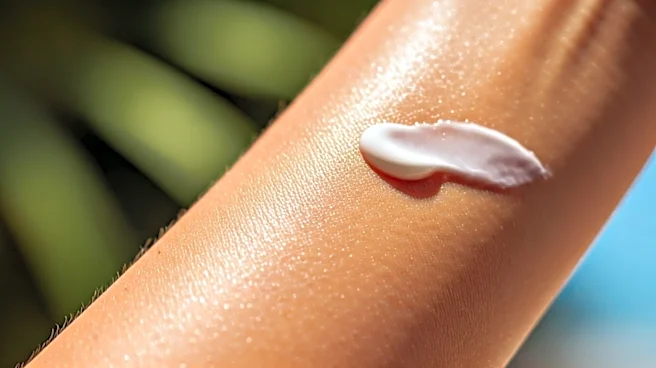
Summer exposes our skin to a lot—sun, sweat, chlorine, and more frequent shaving—which can lead to a host of texture issues. This is where lactic acid lotion truly shines. It’s particularly effective at treating keratosis pilaris (KP), the common condition often called "chicken skin" or "strawberry skin" that causes small, rough bumps on the arms and legs. The gentle exfoliation helps break down the keratin plugs that cause the bumps, leading to noticeably smoother skin. Beyond KP, it tackles rough patches on elbows and knees, helps fade uneven tone from past sun damage, and can even help keep pores clear to prevent body breakouts. Essentially, it addresses nearly every common barrier to smooth, confident summer skin.
How to Use It for the Best Results
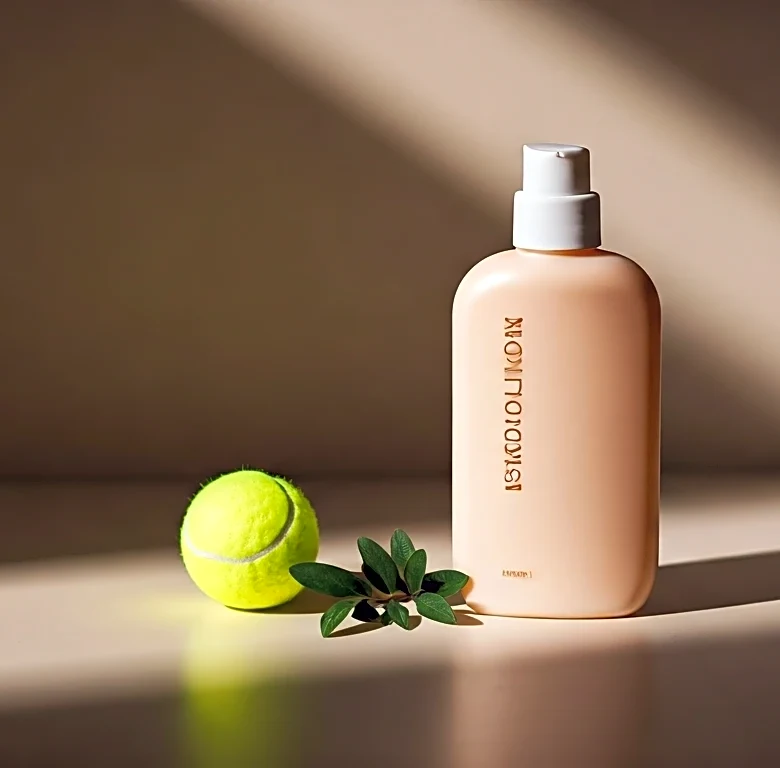
Incorporating lactic acid body lotion into your routine is simple, but a few rules apply. It’s best to apply it at night to clean, dry skin; this allows the acid to work without interference from UV light. If you're new to AHAs, start slow. Use the lotion just two or three times a week to see how your skin tolerates it before considering daily use. While you can use it all over, you might want to focus on specific problem areas first, like the backs of your arms or thighs. Don't apply it to freshly shaved, waxed, or otherwise broken skin, as it can cause stinging and irritation. And remember, consistency is key. While your skin will feel softer after one use, significant improvements in texture and conditions like KP can take several weeks of regular application.
The Golden Rule: Sunscreen Is Non-Negotiable
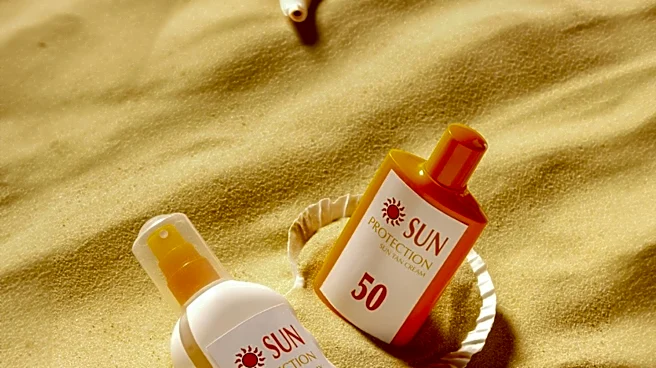
There is one absolute, must-follow rule when using any AHA, including lactic acid: you must be diligent with sunscreen. By removing the top layer of dead skin cells, lactic acid makes your skin more vulnerable and sensitive to the sun's UV rays. Using it without proper sun protection can actually lead to more damage, including sunburn and hyperpigmentation—potentially worsening the very issues you’re trying to fix. On any day after you’ve used a lactic acid lotion, apply a broad-spectrum sunscreen with an SPF of 30 or higher to all exposed areas of your body. Think of sunscreen as the essential final step that locks in all the benefits of your new favorite lotion.