







Pick One Home Base
The temptation to follow your favorite team from city to city is strong, but it's a recipe for exhaustion and budget overruns, especially with kids. Instead, simplify your trip by choosing one host city as your home base. This strategy transforms a logistical
marathon into a relaxed vacation. You'll spend less time in transit and more time exploring. By staying put, you can unpack once, get to know a neighborhood, find a favorite local coffee shop or playground, and build a routine that accommodates naps and downtime. With 16 host cities across the U.S., Canada, and Mexico for the 2026 World Cup, you can pick a destination that offers attractions beyond soccer, whether it's the museums of New York, the beaches near Miami, or the tech-hub buzz of Seattle.
Look Beyond the Stadium
The match ticket is the main event, but it shouldn't be the only event. Host cities are going all out to create a festival atmosphere that extends far beyond the stadium walls. Research the free, official Fan Zones, which offer live match screenings, interactive games, and family-friendly entertainment. New York, for example, is hosting fan events in every borough, from the USTA Billie Jean King National Tennis Center in Queens to Brooklyn Bridge Park. In Seattle, a "Unity Loop" walking trail connects multiple celebration hubs. These fan festivals are perfect for soaking up the global atmosphere without the intensity (or cost) of a stadium ticket, giving you more flexibility to come and go as your kids' energy levels permit.
Plan Your Game Day Like a Pro
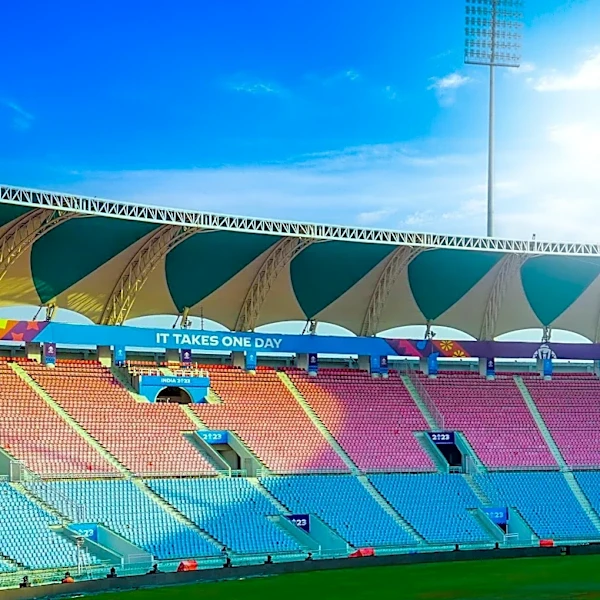
Match day requires a specific game plan. Stadiums for major events like the World Cup have strict rules, and navigating them with children demands preparation. Plan to arrive at the stadium district much earlier than you think—at least 90 minutes to two hours before kickoff is a common recommendation. This provides a buffer for long security lines, finding your seats, and making pre-game restroom stops. Before you leave your hotel, double-check the venue's bag policy and rules on bringing in snacks or water bottles, as these can change. Consider bringing noise-canceling headphones for younger children who might be overwhelmed by the roar of the crowd. A calm, early arrival beats a frantic rush every time.
Set Realistic Expectations
A successful family trip hinges on managing expectations—both yours and your kids'. An eight-year-old will not have the same stamina or interest in tactical analysis as a die-hard adult fan. Don't overschedule your days. A stadium match plus a fan fest plus a late dinner might seem efficient, but it can lead to meltdowns. Instead, build your day around one anchor event and allow for spontaneous fun or crucial downtime. A hotel with a pool can be a lifesaver for a midday reset. Let kids have a say in some of the non-soccer activities. If they feel like part of the planning process, they'll be more invested in the whole trip. Remember, the goal is a shared positive memory, not a perfectly executed itinerary.
Pack Smart, Not Heavy
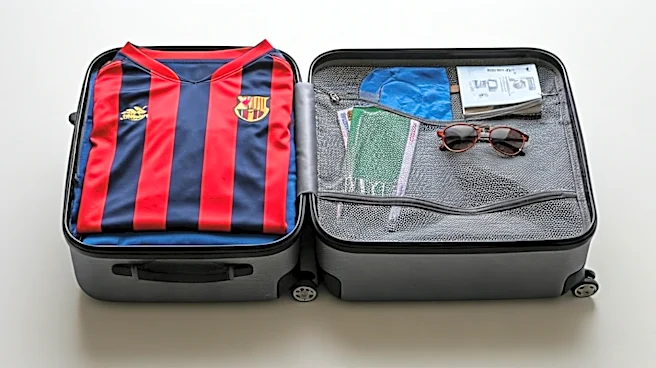
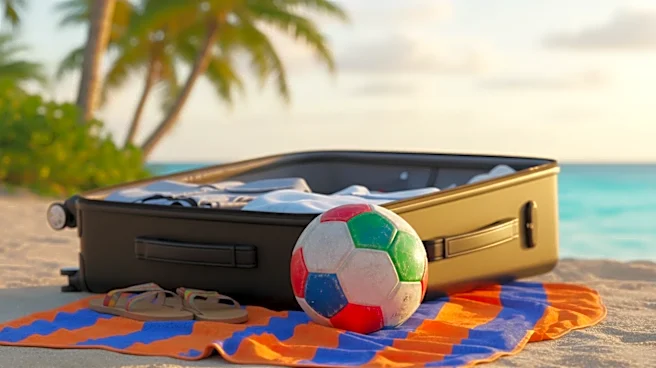
Your packing list can either simplify or complicate your trip. Focus on essentials. Comfortable walking shoes are non-negotiable for everyone. Since the 2026 tournament is a summer event, pack lightweight clothing, sunscreen, and hats to combat the heat, especially in cities like Dallas or Houston. A refillable water bottle is a must for staying hydrated, but check stadium rules before trying to bring it to a match. If you plan to buy team gear, consider purchasing it online beforehand to save money and avoid wasting time shopping at the venue. Most importantly, pack your patience. Crowds will be large, lines will be long, and things will not always go according to plan. A flexible mindset is your most valuable asset.