




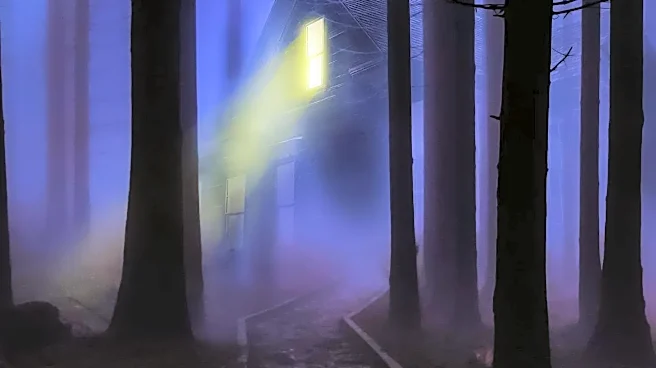


The Allure of the Mystery Box
In television, a “mystery box” show is one built around a central secret. Think of shows like Lost, From, or Yellowjackets. They drop viewers into a baffling scenario—a plane crash on a bizarre island, a town you can’t escape, or the aftermath of a traumatic
survival story—and then slowly, deliberately feed you clues. This structure is incredibly effective. It turns passive viewing into an active, participatory experience. The extended runtime of a TV series allows for a deeper build-up of suspense and character attachment than a movie can typically achieve. Fans create wikis, Reddit threads, and podcasts, all dedicated to solving the puzzle. This shared obsession builds a loyal audience, which is exactly what networks want. The mystery isn’t just the plot; it’s the engine of the show’s entire culture.
The Premature Payoff
The problem arises from the pressure to keep that audience engaged. Networks often push for a massive mid-season finale, an episode designed to generate buzz and ratings with a shocking twist. And sometimes, showrunners give in. They reveal the killer, explain the monster, or unravel the core conspiracy halfway through the story. It’s a move born of fear—the fear of viewers getting bored. But in a horror mystery, suspense is the entire point. Revealing the answer too early is like telling the punchline before the joke is finished. The very tension that made the show compelling evaporates. A classic example is the original Twin Peaks, where network pressure forced the creators to reveal Laura Palmer's killer early in season two. After the reveal, the show famously lost its narrative momentum because its central question had been answered.
When Answers Create More Problems
A premature reveal does more than just kill suspense; it often exposes weaknesses in the story. If the writers haven’t fully mapped out what comes next, the show can start to meander. Suddenly, the narrative is no longer about the thrilling unknown but about a much less interesting “what now?” scenario. The characters, who were once defined by their struggle against a mysterious threat, can feel adrift. Shows that prioritize shocking twists over character development often find themselves on shaky ground once the main secret is out. The audience’s emotional investment was tied to the mystery, and without it, the story can feel hollow. This is a common pitfall for series that introduce mysteries without a clear plan for their resolution, leading to convoluted or unsatisfying conclusions that frustrate viewers.
The Art of the Slow Burn
The best horror mysteries understand that the journey is more important than the destination. They master the art of the slow burn, providing small answers that only lead to bigger, more interesting questions. A show like The Haunting of Hill House excels at this, weaving its scares directly into the family's trauma and gradually revealing the nature of the house's evil without giving everything away at once. The horror is anchored in emotional stakes, which keeps the audience invested even as the central mystery deepens. These shows prove that suspense is best maintained not by withholding all information, but by carefully managing what is revealed and when. Balancing immediate payoffs with long-term intrigue is what separates a good mystery from a great one, allowing the sense of dread and curiosity to build across multiple seasons.