




An Icon Walks Away
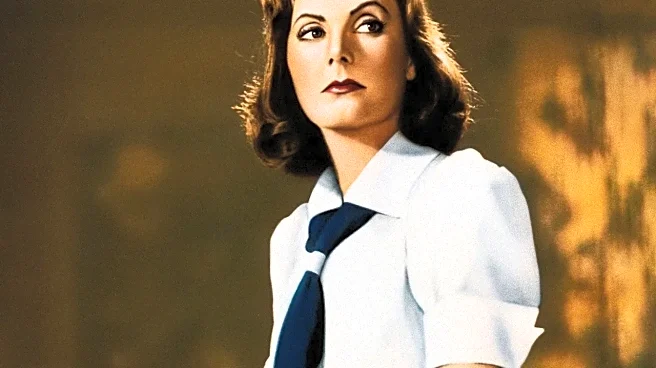
In 1941, at the age of 36, Greta Garbo was one of the most famous women in the world. A star of both the silent and sound eras, her on-screen magnetism was unparalleled, from the smoldering romances of "Flesh and the Devil" to her Oscar-nominated turn
in the comedy "Ninotchka." But her final film, "Two-Faced Woman," was a critical and commercial disappointment that attempted to "Americanize" her persona. Humiliated by the reception and exhausted by the studio system, Garbo's planned hiatus became a permanent retirement. She famously never acted in another movie, turning down countless offers and cementing her legacy as Hollywood’s most enigmatic recluse.
A Secret Comeback Attempt
For years, the story ended there. Garbo settled into a quiet life in New York, a ghost of the silver screen. But in 1949, she was tempted back. Producer Walter Wanger, who had worked with her on "Queen Christina," signed her for a comeback role in a film based on Honoré de Balzac's novel "La Duchesse de Langeais." The project was ambitious, slated to be filmed in Europe with acclaimed actor James Mason in talks to co-star. Garbo was reportedly enthusiastic, but there was a catch: the Italian financiers backing the movie were nervous. Eight years was a long time away from the camera, and they wanted to see if the magic was still there.
The Luminous 1949 Screen Test
Reluctantly, Garbo agreed to a screen test, an almost insulting request for a star of her stature. In May 1949, she stepped onto a soundstage for a series of black-and-white tests shot by veteran cinematographers, including her frequent collaborator William Daniels. The footage was stunning. With no dialogue, Garbo simply moved, smoked a cigarette, and let the camera capture her face. At 43, she was more mature, but the luminous quality that made her a legend was undeniable. Her subtle expressiveness and the power of her gaze were as potent as ever. The tests proved that the Garbo magic had not faded; it had simply been waiting.
Why the Film Was Never Made
Despite the breathtaking results of the screen tests, the film fell apart. The Italian investors, led by Angelo Rizzoli, remained hesitant and eventually pulled their funding. In a meeting, a wary Garbo had received them in a darkened room wearing a large hat, which made them suspect she was hiding the effects of aging. Wanger scrambled to find other financing, but Hollywood studios weren't interested. After months of delays that pushed the project into 1950, Garbo herself lost interest and extricated herself from the contract. The comeback was officially over, and the remarkable screen tests were shelved, locked away from public view for 40 years.
Legacy of a Phantom Performance
The footage from the 1949 screen test was eventually rediscovered in 1990 and has since been included in documentaries about her life. It offers a tantalizing glimpse of what might have been. More than that, it perfectly encapsulates the Garbo mystique. The performance is a secret, seen by few, confirming a genius that needed no audience to exist. It shows an artist who never lost her gift, but who ultimately chose privacy over performance. This final, silent dance for the camera wasn't a failure but a final, definitive statement from a star who always operated on her own terms, leaving the world forever wanting one more look.