






The Anatomy of an Authentic Tribute
At its core, a true tribute is an act of preservation. Its primary goal is to celebrate and maintain the integrity of a person's life, work, and values. Authenticity is the cornerstone. This often involves engaging with the subject's family, estate, or community
to ensure the portrayal is respectful and accurate. The focus remains squarely on the person being honored, not the entity creating the tribute. An honorable tribute seeks to educate the public, evoke genuine emotion, and carry the subject's true message forward. Think of it as a conversation with the past, where the tribute acts as a faithful interpreter, ensuring the original voice is amplified, not altered. When a museum carefully curates an exhibit or a foundation works to continue the mission of its namesake, the intent is to give, not to take.
Red Flags: When Honor Becomes Rebranding
Rebranding, in this context, is when a legacy is co-opted to serve a new purpose, often commercial or ideological. The most obvious red flag is when the tribute primarily benefits the creator. [8] Is a company using a deceased artist's image to sell a product that contradicts the artist's known values? That's a rebrand. Another sign is the sanitization of a complex legacy. This happens when inconvenient or radical aspects of a person's life are smoothed over to make them more palatable for a mass audience. [18] The person becomes a simplified, two-dimensional symbol rather than a multifaceted human being. This transformation from person to marketing tool is the essence of a tribute that has lost its way, turning an act of remembrance into an exercise in brand association. [1, 5]
Case Study: The Commercialization of a Dream
Perhaps no legacy in modern America has been more contested than that of Dr. Martin Luther King Jr. While he was a radical critic of capitalism, militarism, and structural racism, his public image is often reduced to a single, comforting line from his "I Have a Dream" speech. [18, 20] This sanitized version of Dr. King has been used to sell everything from trucks to technology, a practice his own family has spoken out against. [4, 21] For instance, a 2018 Super Bowl ad used a powerful sermon from Dr. King about the value of service to sell Ram trucks, sparking widespread criticism for taking his anti-consumerist message and using it for blatant commercial gain. [4, 21] This is a textbook example of rebranding: it detaches Dr. King from his radical politics to make him a safe, commercialized icon. [4, 23] An authentic tribute, by contrast, would amplify his calls for economic and social justice, as his family often urges. [4]
When Artists Become Trademarks
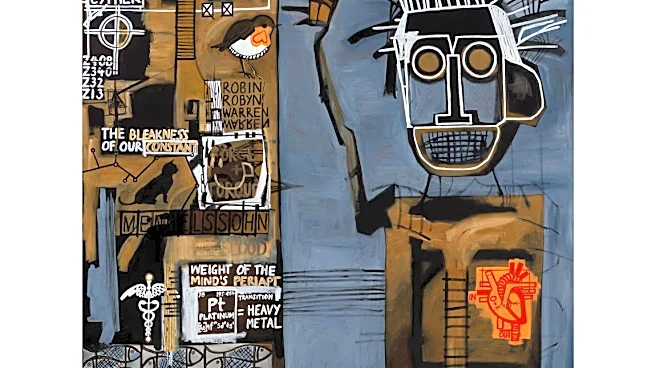
The posthumous careers of musicians and artists offer another fertile ground for this debate. After an artist's death, their name and work can become incredibly valuable. The question then becomes how to manage that legacy. Sometimes, an artist's estate authorizes new work, such as posthumous prints or albums, to meet public demand and continue the artist's vision. [2] However, this can slip into rebranding when the market is flooded with low-quality merchandise or when their art is licensed for campaigns that clash with their established principles. [3] The 2021 Tiffany & Co. ad featuring a never-before-seen painting by Jean-Michel Basquiat drew criticism for this very reason. [3] Critics argued that using the work of an anti-capitalist artist to sell luxury diamonds was a perversion of his legacy, turning his rebellious art into a backdrop for high-end consumerism. [3]
Our Role as Discerning Consumers
Ultimately, the line between honoring and rebranding is policed by public perception. As consumers of culture, the responsibility falls to us to be critical. When you see a tribute, ask yourself: Who benefits most from this? Does it deepen my understanding of the person, or does it simplify them? Does it feel like a genuine celebration or a calculated marketing move? A tribute that honors will feel like a gift to the public's understanding. A rebrand often feels like it's taking something—credibility, cultural cachet, an emotional connection—from a legacy and transferring it to a product or a political agenda. By learning to spot the difference, we can help protect these important legacies from being diluted into mere commodities. [15]