



Follow the Music
The fastest way to identify a show's target demographic is to close your eyes and listen. The soundtrack is the primary emotional engine of a trailer. Is it a current pop hit? They're likely targeting Gen Z and younger millennials. A moody, slowed-down
cover of a classic song? That's often designed to give a story dramatic weight and appeal to a slightly older, more discerning audience. An epic orchestral score signals a high-stakes genre piece for fantasy or action fans, while an indie-folk track suggests an emotional, character-driven story aimed at viewers who prioritize authenticity. The music tells you what to feel, and by extension, who is supposed to be feeling it.
Analyze the Editing and Color
The visual rhythm of a trailer speaks volumes. Fast, frenetic cuts that create a sense of urgency are a hallmark of action films and thrillers, designed to get your adrenaline pumping. Conversely, a trailer with long, lingering shots and a slower pace is signaling a character study or a serious drama. The color palette is another major clue. A dark, desaturated look with lots of shadows suggests a gritty, mature theme, like a crime procedural or a psychological thriller. A bright, vibrant, and saturated visual style is common in comedies, romances, and family-friendly adventures, promising a more lighthearted experience.
Look at Who Gets the Close-Ups
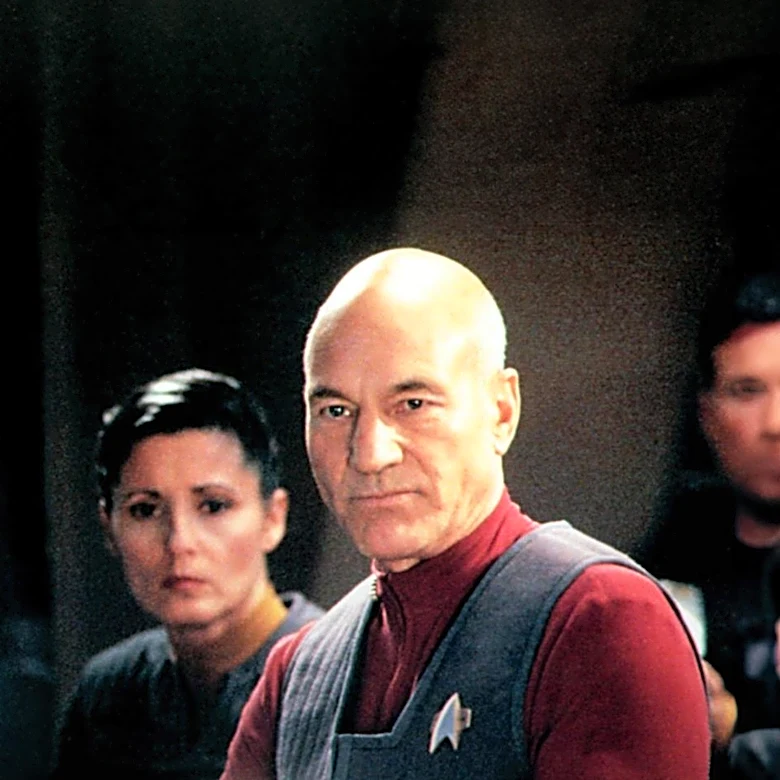
Pay close attention to the cast and how they are presented. The age, gender, and general archetype of the main characters are direct reflections of the intended viewer. If the trailer is filled with attractive twenty-somethings navigating friendships and careers, it’s a clear pitch to a younger adult audience. A story centered on a multi-generational family or middle-aged professionals is aiming for an older demographic. The way characters are introduced helps audiences connect with them, often by highlighting relatable struggles or aspirations that resonate with a specific slice of the population.
Identify the Core Conflict
Every trailer presents a condensed version of the show's central story. The nature of that conflict is a powerful indicator of the target audience. Is the main problem a life-or-death situation with global stakes? That’s for the action and sci-fi crowd. Is it about finding love against the odds? You’re in romantic comedy territory. Is it a complex workplace rivalry or a political conspiracy? That targets viewers who enjoy sophisticated, plot-driven dramas. The central conflict reveals the fantasy the show is selling, whether it’s adventure, romance, power, or personal growth, allowing the studio to attract viewers who share that desire.
Read the On-Screen Text and Voiceover
The words used, both spoken and written, are a final, direct clue. A deep, booming voiceover that says, "In a world…" is a classic trope for epic action or fantasy films. A witty, conversational narrator, or no narrator at all, often signals a more modern or comedic tone. The font and style of the on-screen text also matter. A clean, minimalist font might be used for a sleek tech thriller or a prestigious drama, while a bold, gritty typeface could be used for a horror movie. These elements work together to reinforce the genre and the overall mood that the trailer's music and editing have already established.